Shulph Ink
Data Analytics and Adaptive Learning: Research Perspectives
Data Analytics and Adaptive Learning: Research Perspectives
💎 Earn 811 Points (£8.11) on this item.
YOU SAVE £9.63
- Condition: Brand new
- UK Delivery times: Usually arrives within 2 - 3 working days
- UK Shipping: Fee starts at £2.39. Subject to product weight & dimension
Bulk ordering. Want 15 or more copies? Get a personalised quote and bigger discounts. Learn more about bulk orders.
Couldn't load pickup availability
- More about Data Analytics and Adaptive Learning: Research Perspectives
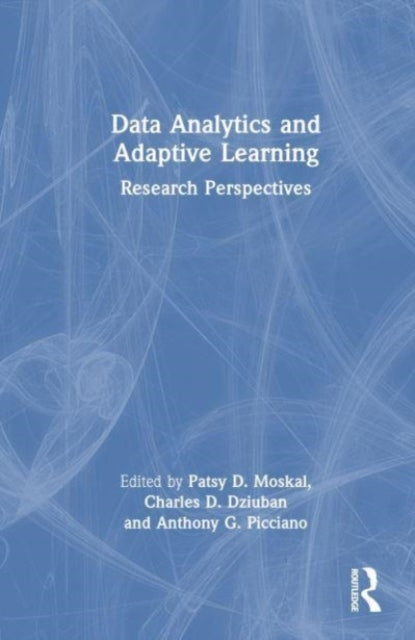
Data Analytics and Adaptive Learning provides insights into the use of emerging data analysis and adaptive techniques in multiple learning settings, preparing researchers, developers, and graduate students to produce evidence for the benefits and challenges of data-driven learning.
Format: Hardback
Length: 334 pages
Publication date: 25 August 2023
Publisher: Taylor & Francis Ltd
Data Analytics and Adaptive Learning delve into the transformative power of emerging data analysis and adaptive techniques in diverse learning environments. Over the past few years, analytics and adaptive learning have played a pivotal role in empowering educators to cater to the unique needs of learners in virtual, blended, and personalized settings. This comprehensive collection of rich, enlightening, and international studies encompasses a wide range of research methodologies, including quantitative, qualitative, and mixed-methods approaches, across higher education, K–12, and adult/continuing education contexts. By delving into the core issues of definition and pedagogical practice that permeate teaching and learning, this book aims to provide valuable insights and recommendations for future research and practice to support educators at all levels.
The significance of data analytics and adaptive learning lies in their ability to enhance teaching and learning outcomes. By leveraging data-driven insights, educators can gain a deeper understanding of their students' strengths, weaknesses, and learning preferences, allowing them to tailor their teaching strategies accordingly. Adaptive learning technologies, such as personalized learning platforms and adaptive assessment algorithms, further personalize the learning experience by adapting content and pace to individual learners' needs.
One of the key challenges in implementing data analytics and adaptive learning is the need for effective data management and analysis. Educators must collect and analyze large amounts of data from various sources, including student performance, classroom observations, and external datasets. This requires specialized skills and tools, such as data mining, machine learning, and natural language processing. Additionally, educators must ensure that the data they collect is accurate, reliable, and secure, as it may be used for research purposes or to make important decisions about student learning.
Another challenge is the integration of data analytics and adaptive learning into existing educational systems and practices. Educators must navigate complex institutional structures, policies, and workflows to integrate these technologies into their teaching and learning practices. This requires collaboration and buy-in from stakeholders, including administrators, teachers, and students, as well as the development of effective training and support programs.
Despite these challenges, there are numerous opportunities for research and practice in the field of data analytics and adaptive learning. Researchers can explore new methodologies and technologies to improve the accuracy and effectiveness of data analysis, while practitioners can develop and implement innovative solutions to address specific educational challenges. For example, researchers can investigate the impact of adaptive learning on student engagement, academic performance, and social-emotional development, while practitioners can explore the use of data analytics to identify areas of intervention and support for students at risk of academic failure.
In conclusion, data analytics and adaptive learning offer a promising avenue for enhancing teaching and learning outcomes in diverse learning environments. By leveraging data-driven insights and adaptive technologies, educators can create personalized learning experiences that meet the unique needs of their students. However, effective implementation requires careful consideration of data management, analysis, integration, and collaboration. Through ongoing research and practice, the field of data analytics and adaptive learning has the potential to revolutionize the way we teach and learn.
Data Analytics and Adaptive Learning
Data analytics and adaptive learning have emerged as powerful tools in the education sector, offering new insights into the use of emerging data analysis and adaptive techniques in various learning settings. In recent years, both analytics and adaptive learning have played a crucial role in empowering educators to become more responsive to learners in virtual, blended, and personalized environments. This comprehensive set of rich, illuminating, and international studies spans quantitative, qualitative, and mixed-methods research in higher education, K–12, and adult/continuing education contexts. By exploring the issues of definition and pedagogical practice that permeate teaching and learning and concluding with recommendations for the future research and practice necessary to support educators at all levels, this book aims to prepare researchers, developers, and graduate students of instructional technology to produce evidence for the benefits and challenges of data-driven learning.
The significance of data analytics and adaptive learning lies in their ability to enhance teaching and learning outcomes. By leveraging data-driven insights, educators can gain a deeper understanding of their students' strengths, weaknesses, and learning preferences, allowing them to tailor their teaching strategies accordingly. Adaptive learning technologies, such as personalized learning platforms and adaptive assessment algorithms, further personalize the learning experience by adapting content and pace to individual learners' needs.
One of the key challenges in implementing data analytics and adaptive learning is the need for effective data management and analysis. Educators must collect and analyze large amounts of data from various sources, including student performance, classroom observations, and external datasets. This requires specialized skills and tools, such as data mining, machine learning, and natural language processing. Additionally, educators must ensure that the data they collect is accurate, reliable, and secure, as it may be used for research purposes or to make important decisions about student learning.
Another challenge is the integration of data analytics and adaptive learning into existing educational systems and practices. Educators must navigate complex institutional structures, policies, and workflows to integrate these technologies into their teaching and learning practices. This requires collaboration and buy-in from stakeholders, including administrators, teachers, and students, as well as the development of effective training and support programs.
Despite these challenges, there are numerous opportunities for research and practice in the field of data analytics and adaptive learning. Researchers can explore new methodologies and technologies to improve the accuracy and effectiveness of data analysis, while practitioners can develop and implement innovative solutions to address specific educational challenges. For example, researchers can investigate the impact of adaptive learning on student engagement, academic performance, and social-emotional development, while practitioners can explore the use of data analytics to identify areas of intervention and support for students at risk of academic failure.
In conclusion, data analytics and adaptive learning offer a promising avenue for enhancing teaching and learning outcomes in diverse learning environments. By leveraging data-driven insights and adaptive technologies, educators can create personalized learning experiences that meet the unique needs of their students. However, effective implementation requires careful consideration of data management, analysis, integration, and collaboration. Through ongoing research and practice, the field of data analytics and adaptive learning has the potential to revolutionize the way we teach and learn.
Weight: 830g
Dimension: 229 x 152 (mm)
ISBN-13: 9781032150390
UK and International shipping information
UK and International shipping information
UK Delivery and returns information:
- Delivery within 2 - 3 days when ordering in the UK.
- Shipping fee for UK customers from £2.39. Fully tracked shipping service available.
- Returns policy: Return within 30 days of receipt for full refund.
International deliveries:
Shulph Ink now ships to Australia, Belgium, Canada, France, Germany, Ireland, Italy, India, Luxembourg Saudi Arabia, Singapore, Spain, Netherlands, New Zealand, United Arab Emirates, United States of America.
- Delivery times: within 5 - 10 days for international orders.
- Shipping fee: charges vary for overseas orders. Only tracked services are available for most international orders. Some countries have untracked shipping options.
- Customs charges: If ordering to addresses outside the United Kingdom, you may or may not incur additional customs and duties fees during local delivery.