Shulph Ink
Decolonization, Self-Determination, and the Rise of Global Human Rights Politics
Decolonization, Self-Determination, and the Rise of Global Human Rights Politics
💎 Earn 118 Points (£1.18) on this item.
We can order this item for you. Delivery usually takes about 4 to 6 weeks.
This item is not held in our immediate stock. We will order it for you after checkout.
Estimated delivery: About 4 to 6 weeks
YOU SAVE £1.40
- Condition: Brand new
- UK Delivery times: Usually arrives within 2 - 3 working days
- UK Shipping: Fee starts at £3.89. Subject to product weight & dimension
Bulk ordering. Want 15 or more copies? Get a personalised quote and bigger discounts. Learn more about bulk orders.
Couldn't load pickup availability
- More about Decolonization, Self-Determination, and the Rise of Global Human Rights Politics
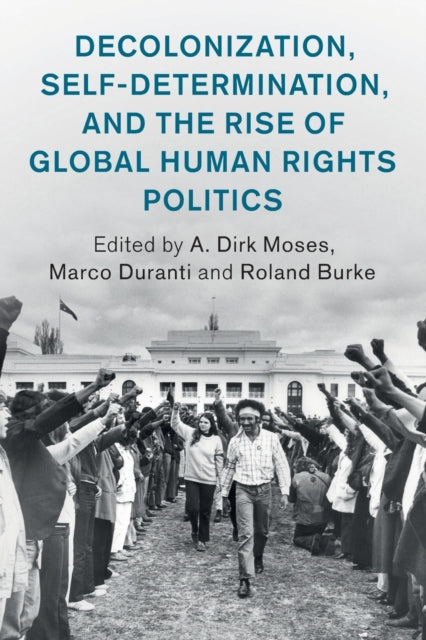
This book explores the history of human rights politics in the age of decolonization, highlighting the conflict between independence movements and colonial powers. It also discusses the role of anti-colonial forces in mobilizing human rights and the response of European empires to these movements. The book offers insights into the history and legacies of human rights, self-determination, and empire to the present day.
Format: Paperback / softback
Length: 447 pages
Publication date: 08 December 2022
Publisher: Cambridge University Press
This comprehensive volume offers a groundbreaking global history of human rights politics in the era of decolonization. The intricate interplay between independence movements and colonial powers played a pivotal role in shaping the global human rights order that emerged after the Second World War. It also played a crucial role in the establishment of contemporary human rights organizations and humanitarian movements. Anti-colonial forces deftly mobilized human rights and other rights-related language to advocate for self-determination. In response, European empires sought to harness the power of human rights for their own purposes, asserting that their rule, accompanied by the promise of development, was the authentic means to achieve these goals. Spanning from the postwar partitions and wars of independence to Indigenous rights activism and post-colonial memory, this volume provides fresh perspectives on the history and legacies of human rights, self-determination, and empire, extending to the present day.
Introduction:
The era of decolonization marked a significant period in world history, characterized by the struggle for independence and self-determination by various nations across the globe. During this time, the concept of human rights gained prominence as a universal moral principle, seeking to protect and promote the rights and dignity of all individuals. However, the pursuit of human rights was not without its challenges, as colonial powers sought to maintain their control and influence over their colonies. This volume aims to explore the complex relationship between human rights politics and decolonization, examining how the struggle for independence and self-determination shaped the global human rights order and the emergence of contemporary human rights organizations.
The Conflict between Independence Movements and Colonial Powers:
The conflict between independence movements and colonial powers was a central theme of the era of decolonization. Independence movements sought to break free from the control of colonial empires and establish their own sovereign states. These movements were often led by charismatic leaders who believed in the principles of democracy, equality, and human rights. However, colonial powers resisted these demands, employing various tactics to maintain their grip on power. These tactics included military force, economic coercion, and political manipulation.
The Emergence of Global Human Rights Politics:
Despite the challenges posed by colonial powers, the struggle for independence and self-determination led to the emergence of global human rights politics. The United Nations (UN) was established in 1945 with the primary objective of promoting and protecting human rights worldwide. The UN Charter, which was adopted in 1945, outlined the fundamental rights and freedoms that all individuals were entitled to, including the right to life, liberty, and freedom from discrimination. The UN also established various human rights bodies, such as the International Human Rights Commission (IHRC) and the Universal Periodic Review (UPR), to monitor and promote the implementation of human rights standards.
Contemporary Human Rights Organizations:
The emergence of global human rights politics also paved the way for the establishment of contemporary human rights organizations. These organizations are dedicated to promoting and protecting human rights, often working to address the most pressing human rights issues in different parts of the world. Some of the most prominent human rights organizations include Amnesty International, Human Rights Watch, and the International Federation of Human Rights Leagues. These organizations use a variety of strategies to advocate for human rights, including research, advocacy, and public education.
The Role of Anti-Colonial Forces:
Anti-colonial forces played a crucial role in the struggle for independence and self-determination. These forces were often led by charismatic leaders who believed in the principles of human rights and democracy. They used human rights language and principles to mobilize support for their cause and to challenge the authority of colonial powers. Anti-colonial forces also used human rights as a tool to negotiate with colonial powers, seeking to secure independence and self-determination.
European Empires and Human Rights:
While European empires sought to maintain their control over their colonies, they also recognized the importance of human rights. They began to embrace the new international politics of human rights, claiming that their rule was the authentic vehicle for realizing human rights. European empires used human rights to justify their colonial policies and to argue that their rule was bringing about development and progress in the colonies.
Postwar Partitions and Wars of Independence:
The postwar partitions and wars of independence marked a significant period in the history of human rights. The partition of India and Pakistan in 1947, for example, resulted in the creation of two separate nations, each with its own unique set of human rights challenges. The wars of independence in Africa and Asia also led to the establishment of new nations, each with its own set of human rights challenges.
Indigenous Rights Activism:
Indigenous rights activism has also been a significant feature of the history of human rights. Indigenous peoples have long been marginalized and oppressed by colonial powers, and they continue to face human rights challenges in many parts of the world. Indigenous rights activists have used human rights language and principles to advocate for their rights and to challenge the authority of colonial powers.
Post-Colonial Memory:
Post-colonial memory is a critical aspect of the history of human rights. It refers to the ways in which individuals and communities remember and commemorate the experiences of colonization and the struggle for independence. Post-colonial memory plays a crucial role in shaping the political and social landscape of post-colonial nations, as it helps to establish a sense of identity and belonging among individuals and communities.
Conclusion:
In conclusion, the history of human rights politics in the era of decolonization is a complex and multifaceted narrative. The struggle for independence and self-determination played a pivotal role in shaping the global human rights order and the emergence of contemporary human rights organizations. The conflict between independence movements and colonial powers was marked by resistance, coercion, and manipulation, but it also led to the recognition of human rights as a universal moral principle. European empires sought to harness the power of human rights for their own purposes, but they also recognized the importance of human rights and began to embrace the new international politics of human rights. Postwar partitions and wars of independence marked a significant period in the history of human rights, as new nations were created and faced unique human rights challenges. Indigenous rights activism has also been a significant feature of the history of human rights, as indigenous peoples continue to face human rights challenges in many parts of the world. Post-colonial memory is a critical aspect of the history of human rights, as it helps to establish a sense of identity and belonging among individuals and communities.
Weight: 582g
Dimension: 228 x 153 x 27 (mm)
ISBN-13: 9781108749701
UK and International shipping information
UK and International shipping information
We deliver throughout the United Kingdom and to 128 countries and territories worldwide, including the United States, Australia, Canada, Germany, Spain and France.