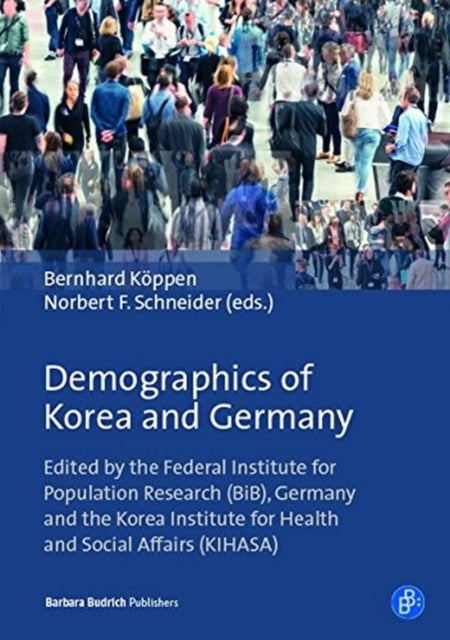
Bernhard Koeppen,Norbert F. Schneider
Demographics of Korea and Germany - Population Changes and Socioeconomic Impact of two Divided Nations in the Light of Reunification
Demographics of Korea and Germany - Population Changes and Socioeconomic Impact of two Divided Nations in the Light of Reunification
💎 Earn 145 Points (£1.45) on this item.
YOU SAVE £8.85
- Condition: Brand new
- UK Delivery times: Usually arrives within 2 - 3 working days
- UK Shipping: Fee starts at £2.39. Subject to product weight & dimension
Bulk ordering. Want 15 or more copies? Get a personalised quote and bigger discounts. Learn more about bulk orders.
Couldn't load pickup availability
- More about Demographics of Korea and Germany - Population Changes and Socioeconomic Impact of two Divided Nations in the Light of Reunification
Korea and Germany are commonly described as emblematic examples of divided nations. But while Korea is still divided Germany has gone through a peaceful unification. The book offers a unique comparative study on the demographic change in these divided countries. It also investigates the developments after Germany's unification.
Format: Paperback / softback
Length: 128 pages
Publication date: 08 December 2021
Publisher: Verlag Barbara Budrich
Korea and Germany are often cited as emblematic examples of divided nations, but their paths have taken different trajectories. While Korea remains divided, Germany has successfully undergone a peaceful unification process. This book presents a unique comparative study on the demographic changes experienced by these divided countries. It also delves into the developments that followed Germany's unification, providing valuable insights into the potential scenarios for Korean reunification.
Drawing on demographic data, the book explores the challenges and opportunities that arise from merging societies. It examines the factors that contributed to Germany's successful unification and identifies key lessons that can be applied to the Korean context. The book raises important questions about the use and limitations of demographic insights in shaping a possible Korean scenario of reunification.
The first chapter provides an overview of the historical background and political dynamics that have shaped the divided states of Korea and Germany. It explores the factors that led to their separation, the conflicts that have persisted, and the efforts made towards reconciliation. The chapter also highlights the unique demographic characteristics of each country, including their population sizes, age structures, and migration patterns.
In the second chapter, the book examines the demographic changes that occurred during the period of division and unification in Germany. It analyzes the factors that influenced population growth, migration patterns, and urbanization in both West and East Germany. The chapter also explores the challenges and opportunities that emerged from the reunification process, such as the integration of different ethnic groups, the resolution of land ownership issues, and the development of a unified economic and social infrastructure.
The third chapter focuses on the demographic implications of Korean reunification. It examines the potential population growth, migration patterns, and urbanization that may occur if Korea were to reunify. The chapter also explores the challenges and opportunities that arise from reunification, such as the integration of different ethnic groups, the resolution of land ownership issues, and the development of a unified economic and social infrastructure.
The fourth chapter discusses the policy implications of demographic changes in divided societies. It examines the role of government policies, social programs, and educational initiatives in promoting social cohesion, economic development, and political stability. The chapter also explores the challenges and limitations of these policies, such as the potential for discrimination, the need for sustainable resources, and the potential for conflict.
In the final chapter, the book summarizes the key findings and offers recommendations for promoting a peaceful and successful Korean reunification. It emphasizes the importance of dialogue, compromise, and respect for human rights and dignity in the process. The chapter also highlights the need for international support and cooperation in addressing the complex demographic challenges that may arise from reunification.
Korea and Germany serve as poignant examples of divided nations, each with its unique history and challenges. While Korea remains divided, Germany has successfully undergone a peaceful unification process, providing valuable insights into the potential scenarios for Korean reunification. This book offers a comprehensive comparative study on the demographic changes experienced by these divided countries, exploring the factors that contributed to Germany's successful unification and identifying key lessons that can be applied to the Korean context.
Drawing on demographic data, the book examines the challenges and opportunities that arise from merging societies. It explores the factors that led to Germany's successful unification, including the political will, economic incentives, and social programs that facilitated the integration of different ethnic groups and regions. The book also identifies the challenges and limitations that emerged from the reunification process, such as the need for economic development, social cohesion, and political stability.
In the case of Korea, the book examines the potential demographic changes that may occur if the country were to reunify. It analyzes the population sizes, age structures, and migration patterns of both North and South Korea and considers the challenges and opportunities that arise from reunification, such as the integration of different ethnic groups, the resolution of land ownership issues, and the development of a unified economic and social infrastructure.
The book also discusses the policy implications of demographic changes in divided societies
In conclusion, Korea and Germany serve as emblematic examples of divided nations, each with its unique history and challenges. While Korea remains divided, Germany's successful unification provides valuable insights into the potential scenarios for Korean reunification. This book offers a comprehensive comparative study on the demographic changes experienced by these divided countries, exploring the factors that contributed to Germany's successful unification and identifying key lessons that can be applied to the Korean context. By drawing on demographic data, the book examines the challenges and opportunities that arise from merging societies, raising important questions about the use and limitations of demographic insights in shaping a possible Korean scenario of reunification. The book emphasizes the importance of dialogue, compromise, and respect for human rights and dignity in the process of promoting a peaceful and successful Korean reunification. It also highlights the need for international support and cooperation in addressing the complex demographic challenges that may arise from reunification.
Weight: 296g
Dimension: 171 x 239 x 11 (mm)
ISBN-13: 9783847421528
This item can be found in:
UK and International shipping information
UK and International shipping information
UK Delivery and returns information:
- Delivery within 2 - 3 days when ordering in the UK.
- Shipping fee for UK customers from £2.39. Fully tracked shipping service available.
- Returns policy: Return within 30 days of receipt for full refund.
International deliveries:
Shulph Ink now ships to Australia, Belgium, Canada, France, Germany, Ireland, Italy, India, Luxembourg Saudi Arabia, Singapore, Spain, Netherlands, New Zealand, United Arab Emirates, United States of America.
- Delivery times: within 5 - 10 days for international orders.
- Shipping fee: charges vary for overseas orders. Only tracked services are available for most international orders. Some countries have untracked shipping options.
- Customs charges: If ordering to addresses outside the United Kingdom, you may or may not incur additional customs and duties fees during local delivery.