Shulph Ink
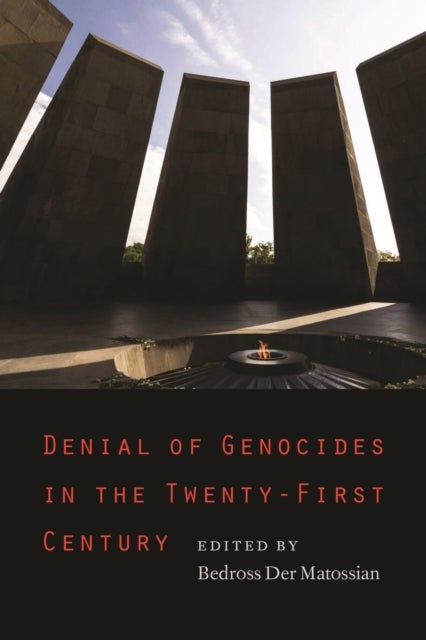
Denial of Genocides in the Twenty-First Century
Denial of Genocides in the Twenty-First Century
💎 Earn 278 Points (£2.78) on this item.
YOU SAVE £7.24
- Condition: Brand new
- UK Delivery times: Usually arrives within 2 - 3 working days
- UK Shipping: Fee starts at £3.89. Subject to product weight & dimension
Bulk ordering. Want 15 or more copies? Get a personalised quote and bigger discounts. Learn more about bulk orders.
Couldn't load pickup availability
- More about Denial of Genocides in the Twenty-First Century
Denial of genocide has evolved and adapted with new strategies to augment and complement established modes of denial, including disputes over numbers, contestation of legal definitions, blaming the victim, and intimidation. Denial through the purposeful creation of misinformation has been the most effective strategy. This volume discusses how genocide denial is becoming a fact of daily life in the twenty-first century, focusing on factors such as communications and news media, global and national social networks, the weaponization of information, court cases, freedom of speech, and postmodernist thought.
Format: Hardback
Length: 416 pages
Publication date: 01 May 2023
Publisher: University of Nebraska Press
Throughout the twenty-first century, the phenomenon of genocide denial has undergone a remarkable evolution, adapting and refining its tactics to enhance and supplement established modes of denial. In addition to straightforward negation, the denial of genocide encompasses a diverse array of techniques, including disputes over numerical estimates, challenges to legal definitions, assigning blame to the victim, and various forms of intimidation, such as threats of legal action. Perhaps the most effective strategy has been the deliberate dissemination of misinformation.
Denial of Genocides in the Twenty-First Century: An Interdisciplinary Approach brings together a distinguished group of scholars from various fields, dedicated to advancing the understanding of genocide denial in the contemporary era. By examining the interplay between communication and news media, global and national social networks, the weaponization of information by authoritarian regimes and political parties, legal cases in the United States and Europe, freedom of speech, and postmodernist thought, this volume explores the evolving nature of genocide denial in the twenty-first century.
The denial of genocide manifests itself in various forms and contexts. One prominent aspect is the dispute over numerical estimates, where denialists challenge the official accounts of the number of victims. They may argue that the numbers are inflated or fabricated, casting doubt on the severity and scale of the genocide. This tactic is often employed to undermine the credibility of the genocide narrative and to deny the moral responsibility of the perpetrators.
Another technique used by denialists is to contest legal definitions of genocide. They may argue that the term "genocide" is too broad or subjective, or that it is being misused to justify political agendas. This legalistic approach seeks to undermine the legal framework that holds individuals and organizations accountable for genocide. By questioning the definition of genocide, denialists can undermine the moral and legal framework that supports the prosecution and punishment of genocide perpetrators.
Blaming the victim is another common tactic employed by denialists. They may argue that the victims of genocide were somehow responsible for their fate, either through their actions or their cultural or religious beliefs. This approach seeks to shift the focus away from the perpetrators and onto the victims, thereby diminishing the moral and ethical implications of the genocide. Blaming the victim can also serve to justify the actions of the perpetrators, as they can argue that the victims deserved their suffering.
Intimidation is another tool used by denialists to suppress the truth about genocide. This can take various forms, including threats of legal action, harassment, and physical violence. Denialists may use these tactics to silence witnesses, intimidate researchers, and suppress evidence of genocide. Intimidation can be particularly effective in regions where the rule of law is weak or where the perpetrators hold significant power.
The deliberate creation of misinformation is perhaps the most insidious strategy employed by denialists. This involves spreading false information, rumors, and conspiracy theories to undermine the credibility of the genocide narrative. Misinformation can be disseminated through various channels, including social media, news outlets, and political campaigns. By presenting alternative narratives that challenge the established facts, denialists can sow doubt and confusion, making it difficult for the public to discern the truth.
The denial of genocide is not limited to a specific region or historical period. It has been observed in various contexts, including the Holocaust, the Rwandan genocide, the Darfur conflict, and the ongoing conflict in Syria. Each of these conflicts has its unique set of circumstances and challenges, but denialism has been a common feature throughout.
In conclusion, the denial of genocide has evolved and adapted with new strategies to augment and complement established modes of denial. From disputes over numerical estimates to challenges to legal definitions, blaming the victim to intimidation, denialists employ a range of tactics to suppress the truth about genocide. The deliberate creation of misinformation is perhaps the most effective strategy, as it undermines the credibility of the genocide narrative and makes it difficult for the public to discern the truth.
This volume, through its interdisciplinary approach, seeks to contribute to the growing body of genocide scholarship that is challenged by denialist literature. By examining the various factors that contribute to genocide denial, this volume provides valuable insights into the mechanisms and strategies employed by denialists to suppress the truth about genocide. As we navigate the twenty-first century, it is essential to remain vigilant against the threat of genocide denial and to work towards promoting a greater understanding of the historical and moral implications of this tragic phenomenon.
Weight: 770g
Dimension: 159 x 237 x 32 (mm)
ISBN-13: 9781496225108
UK and International shipping information
UK and International shipping information
We deliver throughout the United Kingdom and to 128 countries and territories worldwide, including the United States, Australia, Canada, Germany, Spain and France.