Shulph Ink
Dialect Writing and the North of England
Dialect Writing and the North of England
💎 Earn 107 Points (£1.07) on this item.
We can order this item for you. Delivery usually takes about 4 to 6 weeks.
This item is not held in our immediate stock. We will order it for you after checkout.
Estimated delivery: About 4 to 6 weeks
YOU SAVE £6.53
- Condition: Brand new
- UK Delivery times: Usually arrives within 2 - 3 working days
- UK Shipping: Fee starts at £2.39. Subject to product weight & dimension
Bulk ordering. Want 15 or more copies? Get a personalised quote and bigger discounts. Learn more about bulk orders.
Couldn't load pickup availability
- More about Dialect Writing and the North of England
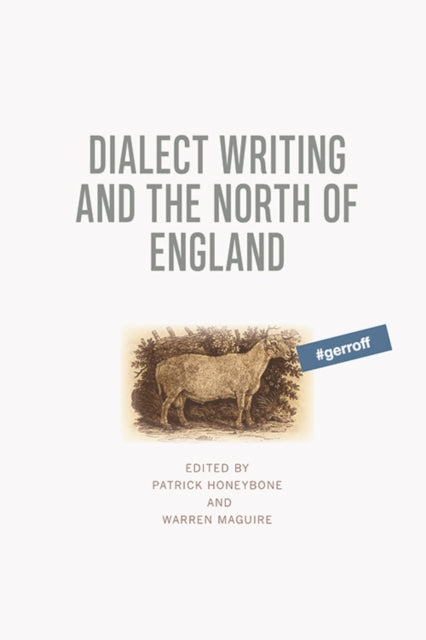
The first comprehensive collection to explore dialect writing in the North of England, analysing examples from 18th century literary texts to 21st century social media, considering broad questions about dialect writing, and featuring case studies of dialect writing from all over the region.
Format: Paperback / softback
Length: 256 pages
Publication date: 31 May 2022
Publisher: Edinburgh University Press
Dialect writing in the North of England has been a rich and diverse tradition for centuries, and this first comprehensive collection explores it in detail. The book considers the cultural positioning and impact of dialect writing, as well as the mechanics of how authors produce dialect spellings. It features a number of case studies, focusing on dialect writing from all over the North of England, including dialect poetry, translations into dialect, letters, tweets, direct speech in novels, humorous localised volumes, written reports of conversations, and cartoons in local newspapers.
One of the key themes of the book is the cultural positioning of dialect writing. Dialect writing can be seen as a way of asserting cultural identity and belonging, and it can also be used to challenge dominant cultural norms. For example, dialect writing can be used to highlight the unique features of a particular region or community, or to critique the dominant culture's attitudes towards those features.
Another theme of the book is the mechanics of how authors produce dialect spellings. Dialect writing can be challenging, as it requires a deep understanding of the dialect's grammar, vocabulary, and pronunciation. Authors may use a variety of techniques to produce dialect spellings, including phonetic transcription, phonetic spelling, and orthographic variation.
The book also considers the impact of dialect writing on language. Dialect writing can help to preserve and promote regional dialects, and it can also be used to create new dialects. For example, dialect writing can be used to create a new dialect for a play or a film, or to create a new dialect for a specific community.
However, dialect writing can also be controversial. Some people argue that dialect writing is a form of linguistic discrimination, as it can be used to exclude certain groups of people from the mainstream. Others argue that dialect writing is a valuable tool for language preservation and promotion.
The book features a number of case studies, focusing on dialect writing from all over the North of England. These case studies include dialect poetry, translations into dialect, letters, tweets, direct speech in novels, humorous localised volumes, written reports of conversations, and cartoons in local newspapers.
One of the case studies in the book is the work of the poet and playwright John Keats. Keats was born in Liverpool, and his poetry is often characterized by its use of dialect. Keats's dialect writing was influenced by the local dialects of Liverpool and the surrounding areas, and it was used to create a sense of place and identity.
Another case study in the book is the work of the novelist and playwright George Orwell. Orwell was born in London, but he spent much of his childhood in the North of England, and his writing is often characterized by its use of dialect. Orwell's dialect writing was used to create a sense of social realism and to critique the dominant culture's attitudes towards the working class.
The book also considers the impact of dialect writing on language. Dialect writing can help to preserve and promote regional dialects, and it can also be used to create new dialects. For example, dialect writing can be used to create a new dialect for a play or a film, or to create a new dialect for a specific community.
However, dialect writing can also be controversial. Some people argue that dialect writing is a form of linguistic discrimination, as it can be used to exclude certain groups of people from the mainstream. Others argue that dialect writing is a valuable tool for language preservation and promotion.
In conclusion, this first comprehensive collection explores dialect writing in the North of England in detail. The book considers the cultural positioning and impact of dialect writing, as well as the mechanics of how authors produce dialect spellings. It features a number of case studies, focusing on dialect writing from all over the North of England, and it considers the impact of dialect writing on language. While dialect writing can be controversial, it is a valuable tool for language preservation and promotion.
Dimension: 234 x 156 (mm)
ISBN-13: 9781474442596
This item can be found in:
UK and International shipping information
UK and International shipping information
UK Delivery and returns information:
- Delivery within 2 - 3 days when ordering in the UK.
- Shipping fee for UK customers from £2.39. Fully tracked shipping service available.
- Returns policy: Return within 30 days of receipt for full refund.
International deliveries:
Shulph Ink now ships to Australia, Belgium, Canada, France, Germany, Ireland, Italy, India, Luxembourg Saudi Arabia, Singapore, Spain, Netherlands, New Zealand, United Arab Emirates, United States of America.
- Delivery times: within 5 - 10 days for international orders.
- Shipping fee: charges vary for overseas orders. Only tracked services are available for most international orders. Some countries have untracked shipping options.
- Customs charges: If ordering to addresses outside the United Kingdom, you may or may not incur additional customs and duties fees during local delivery.