ARG Cortes
Digital Dentistry: A Step-by-Step Guide and Case A tlas
Digital Dentistry: A Step-by-Step Guide and Case A tlas
💎 Earn 663 Points (£6.63) on this item.
YOU SAVE £17.25
- Condition: Brand new
- UK Delivery times: Usually arrives within 2 - 3 working days
- UK Shipping: Fee starts at £2.39. Subject to product weight & dimension
Bulk ordering. Want 15 or more copies? Get a personalised quote and bigger discounts. Learn more about bulk orders.
Couldn't load pickup availability
- More about Digital Dentistry: A Step-by-Step Guide and Case A tlas
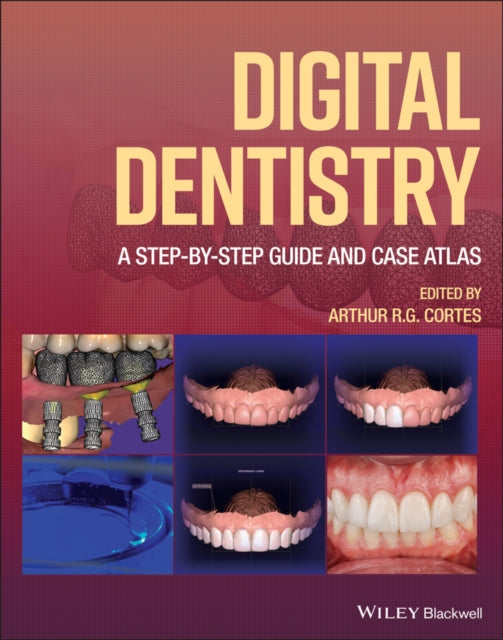
Digital Dentistry: A Step-by-Step Guide and Case Atlas is a comprehensive guide to using digital technology in dentistry, covering diagnosis, treatment planning, and execution across various specialties. It includes a guide to basic digital imaging and CAD-CAM procedures, an atlas of multidisciplinary cases, and an assessment of the scientific basis for using digital dentistry. Ideal for dental clinicians and professionals, it helps streamline and update practices with the latest technologies.
Format: Hardback
Length: 400 pages
Publication date: 21 July 2022
Publisher: John Wiley and Sons Ltd
Digital dentistry is a rapidly evolving field that has revolutionized the way dental professionals diagnose, treat, and manage oral health issues. In this comprehensive guide, we will explore the various aspects of digital dentistry, including its history, principles, and applications.
Digital dentistry has its roots in the early 20th century when the first dental X-rays were developed. Since then, technological advancements have led to the development of a wide range of digital tools and technologies that have transformed the way dental professionals practice. These tools include digital radiographs, intraoral scanners, 3D printers, and computer-aided design (CAD) software.
Digital radiographs are one of the most important digital tools in dentistry. They allow dental professionals to capture high-quality images of the teeth, gums, and jawbone, which can be used to diagnose a wide range of dental issues. Digital radiographs are faster, more accurate, and less invasive than traditional film-based radiographs, and they can be easily stored and accessed on a computer.
Intraoral scanners are another important digital tool in dentistry. They allow dental professionals to capture detailed images of the inside of the mouth, which can be used to diagnose dental issues such as cavities, periodontal disease, and oral cancer. Intraoral scanners are also useful for creating dental models, which can be used to plan dental treatments and create dental restorations.
In addition to these digital tools, 3D printers are also becoming increasingly popular in dentistry. 3D printers allow dental professionals to create custom dental restorations, such as crowns, bridges, and dentures, in a matter of hours. They can also be used to create dental models and surgical guides.
Computer-aided design (CAD) software is another important digital tool in dentistry. CAD software allows dental professionals to create digital models of the teeth and gums, which can be used to plan dental treatments and create dental restorations. CAD software is also useful for creating dental implants and other dental prosthetics.
Digital dentistry has a wide range of applications in various dental specialties, including general dentistry, orthodontics, periodontics, and oral surgery. In general dentistry, digital dentistry can be used to diagnose dental issues, create treatment plans, and provide dental restorations. In orthodontics, digital dentistry can be used to plan and create orthodontic appliances, such as braces and retainers. In periodontics, digital dentistry can be used to diagnose and treat periodontal disease, as well as to create periodontal implants and other periodontal prosthetics. In oral surgery, digital dentistry can be used to plan and create surgical guides, as well as to provide dental implants and other oral surgical procedures.
In addition to its applications in dental specialties, digital dentistry has also been used to improve dental public health and dental education. Digital dentistry can be used to create dental education programs that are more interactive and engaging, as well as to provide dental education to remote and underserved areas. Digital dentistry can also be used to create dental public health programs that are more effective and efficient, such as dental sealant programs and oral cancer screening programs.
Despite the many benefits of digital dentistry, there are also some challenges that need to be addressed. One of the challenges is the cost of digital dentistry equipment and software. Digital dentistry equipment and software can be expensive, which can make it difficult for dental practices to invest in these technologies. Another challenge is the training and education of dental professionals in the use of digital dentistry equipment and software. Dental professionals need to be trained and educated in the use of these technologies in order to provide high-quality dental care.
In conclusion, digital dentistry is a rapidly evolving field that has revolutionized the way dental professionals diagnose, treat, and manage oral health issues. In this comprehensive guide, we will explore the various aspects of digital dentistry, including its history, principles, and applications. Digital dentistry has its roots in the early 20th century when the first dental X-rays were developed. Since then, technological advancements have led to the development of a wide range of digital tools and technologies that have transformed the way dental professionals practice. These tools include digital radiographs, intraoral scanners, 3D printers, and computer-aided design (CAD) software.
Digital radiographs are one of the most important digital tools in dentistry. They allow dental professionals to capture high-quality images of the teeth, gums, and jawbone, which can be used to diagnose a wide range of dental issues. Digital radiographs are faster, more accurate, and less invasive than traditional film-based radiographs, and they can be easily stored and accessed on a computer.
Intraoral scanners are another important digital tool in dentistry. They allow dental professionals to capture detailed images of the inside of the mouth, which can be used to diagnose dental issues such as cavities, periodontal disease, and oral cancer. Intraoral scanners are also useful for creating dental models, which can be used to plan dental treatments and create dental restorations.
In addition to these digital tools, 3D printers are also becoming increasingly popular in dentistry. 3D printers allow dental professionals to create custom dental restorations, such as crowns, bridges, and dentures, in a matter of hours. They can also be used to create dental models and surgical guides.
Computer-aided design (CAD) software is another important digital tool in dentistry. CAD software allows dental professionals to create digital models of the teeth and gums, which can be used to plan dental treatments and create dental restorations. CAD software is also useful for creating dental implants and other dental prosthetics.
Digital dentistry has a wide range of applications in various dental specialties, including general dentistry, orthodontics, periodontics, and oral surgery. In general dentistry, digital dentistry can be used to diagnose dental issues, create treatment plans, and provide dental restorations. In orthodontics, digital dentistry can be used to plan and create orthodontic appliances, such as braces and retainers. In periodontics, digital dentistry can be used to diagnose and treat periodontal disease, as well as to create periodontal implants and other periodontal prosthetics. In oral surgery, digital dentistry can be used to plan and create surgical guides, as well as to provide dental implants and other oral surgical procedures.
In addition to its applications in dental specialties, digital dentistry has also been used to improve dental public health and dental education. Digital dentistry can be used to create dental education programs that are more interactive and engaging, as well as to provide dental education to remote and underserved areas. Digital dentistry can also be used to create dental public health programs that are more effective and efficient, such as dental sealant programs and oral cancer screening programs.
Despite the many benefits of digital dentistry, there are also some challenges that need to be addressed. One of the challenges is the cost of digital dentistry equipment and software. Digital dentistry equipment and software can be expensive, which can make it difficult for dental practices to invest in these technologies. Another challenge is the training and education of dental professionals in the use of digital dentistry equipment and software. Dental professionals need to be trained and educated in the use of these technologies in order to provide high-quality dental care.
In conclusion, digital dentistry is a rapidly evolving field that has revolutionized the way dental professionals diagnose, treat, and manage oral health issues. In this comprehensive guide, we will explore the various aspects of digital dentistry, including its history, principles, and applications. Digital dentistry has its roots in the early 20th century when the first dental X-rays were developed. Since then, technological advancements have led to the development of a wide range of digital tools and technologies that have transformed the way dental professionals practice. These tools include digital radiographs, intraoral scanners, 3D printers, and computer-aided design (CAD) software.
Digital radiographs are one of the most important digital tools in dentistry. They allow dental professionals to capture high-quality images of the teeth, gums, and jawbone, which can be used to diagnose a wide range of dental issues. Digital radiographs are faster, more accurate, and less invasive than traditional film-based radiographs, and they can be easily stored and accessed on a computer.
Intraoral scanners are another important digital tool in dentistry. They allow dental professionals to capture detailed images of the inside of the mouth, which can be used to diagnose dental issues such as cavities, periodontal disease, and oral cancer. Intraoral scanners are also useful for creating dental models, which can be used to plan dental treatments and create dental restorations.
In addition to these digital tools, 3D printers are also becoming increasingly popular in dentistry. 3D printers allow dental professionals to create custom dental restorations, such as crowns, bridges, and dentures, in a matter of hours. They can also be used to create dental models and surgical guides.
Computer-aided design (CAD) software is another important digital tool in dentistry. CAD software allows dental professionals to create digital models of the teeth and gums, which can be used to plan dental treatments and create dental restorations. CAD software is also useful for creating dental implants and other dental prosthetics.
Digital dentistry has a wide range of applications in various dental specialties, including general dentistry, orthodontics, periodontics, and oral surgery. In general dentistry, digital dentistry can be used to diagnose dental issues, create treatment plans, and provide dental restorations. In orthodontics, digital dentistry can be used to plan and create orthodontic appliances, such as braces and retainers. In periodontics, digital dentistry can be used to diagnose and treat periodontal disease, as well as to create periodontal implants and other periodontal prosthetics. In oral surgery, digital dentistry can be used to plan and create surgical guides, as well as to provide dental implants and other oral surgical procedures.
In addition to its applications in dental specialties, digital dentistry has also been used to improve dental public health and dental education. Digital dentistry can be used to create dental education programs that are more interactive and engaging, as well as to provide dental education to remote and underserved areas. Digital dentistry can also be used to create dental public health programs that are more effective and efficient, such as dental sealant programs and oral cancer screening programs.
Despite the many benefits of digital dentistry, there are also some challenges that need to be addressed. One of the challenges is the cost of digital dentistry equipment and software. Digital dentistry equipment and software can be expensive, which can make it difficult for dental practices to invest in these technologies. Another challenge is the training and education of dental professionals in the use of digital dentistry equipment and software. Dental professionals need to be trained and educated in the use of these technologies in order to provide high-quality dental care.
In conclusion, digital dentistry is a rapidly evolving field that has revolutionized the way dental professionals diagnose, treat, and manage oral health issues. In this comprehensive guide, we will explore the various aspects of digital dentistry, including its history, principles, and applications. Digital dentistry has its roots in the early 20th century when the first dental X-rays were developed. Since then, technological advancements have led to the development of a wide range of digital tools and technologies that have transformed the way dental professionals practice. These tools include digital radiographs, intraoral scanners, 3D printers, and computer-aided design (CAD) software.
Weight: 1326g
Dimension: 283 x 223 x 24 (mm)
ISBN-13: 9781119851998
This item can be found in:
UK and International shipping information
UK and International shipping information
UK Delivery and returns information:
- Delivery within 2 - 3 days when ordering in the UK.
- Shipping fee for UK customers from £2.39. Fully tracked shipping service available.
- Returns policy: Return within 30 days of receipt for full refund.
International deliveries:
Shulph Ink now ships to Australia, Belgium, Canada, France, Germany, Ireland, Italy, India, Luxembourg Saudi Arabia, Singapore, Spain, Netherlands, New Zealand, United Arab Emirates, United States of America.
- Delivery times: within 5 - 10 days for international orders.
- Shipping fee: charges vary for overseas orders. Only tracked services are available for most international orders. Some countries have untracked shipping options.
- Customs charges: If ordering to addresses outside the United Kingdom, you may or may not incur additional customs and duties fees during local delivery.