Shulph Ink
Dimensions of Curation: Considering Competing Values for Intentional Exhibition Practices
Dimensions of Curation: Considering Competing Values for Intentional Exhibition Practices
💎 Earn 442 Points (£4.42) on this item.
We can order this item for you. Delivery usually takes about 4 to 6 weeks.
This item is not held in our immediate stock. We will order it for you after checkout.
Estimated delivery: About 4 to 6 weeks
YOU SAVE £11.50
- Condition: Brand new
- UK Delivery times: Usually arrives within 2 - 3 working days
- UK Shipping: Fee starts at £3.89. Subject to product weight & dimension
Bulk ordering. Want 15 or more copies? Get a personalised quote and bigger discounts. Learn more about bulk orders.
Couldn't load pickup availability
- More about Dimensions of Curation: Considering Competing Values for Intentional Exhibition Practices
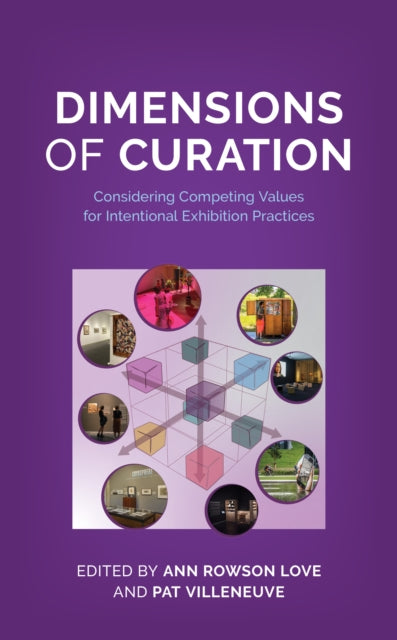
This book provides a model to help you understand the decisions made about interpretive focus, curatorial power, and curatorial intent in museum exhibitions, which shape the resulting exhibition and determine who will be best served or disenfranchised by it.
Format: Hardback
Length: 256 pages
Publication date: 16 August 2023
Publisher: Rowman & Littlefield
This book presents a comprehensive model to assist you in understanding the exhibitions curated by your museum. Whether these decisions are made consciously or subconsciously, they have a profound impact on the final exhibition and its ability to serve or exclude specific audiences.
The interpretive focus, curatorial power, and curatorial intent play pivotal roles in shaping the exhibition's outcome. These elements determine the narrative that is presented, the objects showcased, and the messages conveyed to the viewers. By carefully considering these factors, museums can create exhibitions that are engaging, informative, and accessible to a wide range of audiences.
The interpretive focus refers to the specific aspect or theme of the exhibition that is emphasized and explored. It determines the lens through which the museum views the objects and the stories they tell. For example, an exhibition focused on the history of a particular culture may highlight artifacts, artwork, and historical documents to provide a deep understanding of that culture's beliefs, practices, and achievements.
Curatorial power refers to the authority and control that the museum exercises over the exhibition's content and presentation. It encompasses the decision-making process, the selection of objects, and the arrangement and display of those objects. Curators have the ability to shape the exhibition's narrative, create tension, and evoke emotions in the viewers. They can also use their power to challenge dominant narratives and promote inclusivity and diversity.
Curatorial intent refers to the museum's goals and objectives in creating the exhibition. It encompasses the philosophical and ethical considerations that guide the curatorial process. Curators may aim to educate, inspire, challenge, or entertain the viewers, and they may use their exhibition to promote social, cultural, or environmental issues.
In conclusion, the decisions made about interpretive focus, curatorial power, and curatorial intent have a significant impact on the resulting exhibition and its ability to serve or exclude specific audiences. By carefully considering these factors, museums can create exhibitions that are engaging, informative, and accessible to a wide range of viewers.
Weight: 544g
Dimension: 236 x 159 x 21 (mm)
ISBN-13: 9781538167342
UK and International shipping information
UK and International shipping information
We deliver throughout the United Kingdom and to 128 countries and territories worldwide, including the United States, Australia, Canada, Germany, Spain and France.