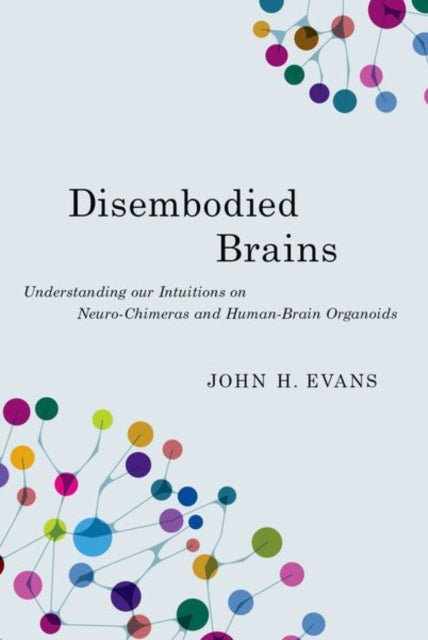
John H.Evans
Disembodied Brains: Understanding our Intuitions on Human-Animal Neuro-Chimeras and Human Brain Organoids
Disembodied Brains: Understanding our Intuitions on Human-Animal Neuro-Chimeras and Human Brain Organoids
💎 Earn 117 Points (£1.17) on this item.
We can order this item for you. Delivery usually takes about 4 to 6 weeks.
This item is not held in our immediate stock. We will order it for you after checkout.
Estimated delivery: About 4 to 6 weeks
YOU SAVE £1.40
- Condition: Brand new
- UK Delivery times: Usually arrives within 2 - 3 working days
- UK Shipping: Fee starts at £2.39. Subject to product weight & dimension
Bulk ordering. Want 15 or more copies? Get a personalised quote and bigger discounts. Learn more about bulk orders.
Couldn't load pickup availability
- More about Disembodied Brains: Understanding our Intuitions on Human-Animal Neuro-Chimeras and Human Brain Organoids
Recent technological advances, such as human-animal neuro-chimeras and human brain organoids, have brought the realm of science fiction to reality. This book examines the public's response to these advances, raising questions about the biological essence of personhood, the ethics of growing and mixing human-animal parts, and the fears of dystopian misuse. It also examines general attitudes toward biotechnology that contribute to public views of neuro-chimeras and organoids and concludes with a discussion of the best ways to set reasonable limits on these technologies to advance medical science without empowering dystopian abuse.
Format: Hardback
Length: 240 pages
Publication date: 22 April 2024
Publisher: Oxford University Press Inc
Recent advancements in technology have brought the realm of science fiction to life, with the development of human-animal neuro-chimeras and human brain organoids. These groundbreaking technologies have sparked a deep fascination with the crossover between humans and animals, as well as our fear and fascination with disembodied brains. However, the general reaction to these technologies is one of shock and disgust. This book delves into the public's response to these new scientific advances, examining the questions they raise about the biological essence of personhood, the ethics of growing and mixing human-animal parts, and the potential for dystopian misuse.
At the heart of this debate lies a fundamental distinction between humans and animals. The development of human-animal neuro-chimeras challenges this belief and creates opposition to the technology itself, regardless of the intentions behind its development. There is a similar foundational belief that disembodied human parts, such as harvested cells used for the creation of human brain organoids, are not truly separated from the original donor and therefore retain some essence of the person from whom the cells originated. This concern and resistance to such technology being used at all are rooted in these foundational beliefs.
In Disembodied Brains, John H. Evans explores the broader attitudes toward biotechnology that contribute to public views on neuro-chimeras and organoids. He examines the ethical implications of these technologies, as well as the potential risks and benefits they may bring. Evans also discusses the need for reasonable limits on these technologies to ensure that they are used for the advancement of medical science without compromising ethical principles.
One of the key challenges posed by these technologies is the question of personhood. The development of human-animal neuro-chimeras raises concerns about the nature of human identity and the boundaries between species. Some argue that these hybrids possess a unique consciousness or identity, while others suggest that they are simply animals with human-like characteristics. This debate has significant ethical implications, particularly when it comes to the treatment and rights of these hybrids.
Another ethical concern is the use of harvested human cells for the creation of human brain organoids. While these organoids have the potential to revolutionize medical research and treatment, there are concerns about the potential exploitation of human beings and the violation of their rights. There are also concerns about the potential for these organoids to be used for non-medical purposes, such as cloning or genetic engineering.
The potential for dystopian misuse of these technologies is another concern. There are fears that neuro-chimeras and organoids could be used to create super-intelligent beings or to manipulate human behavior. There are also concerns about the potential for these technologies to be used for surveillance or control, particularly in authoritarian regimes.
To address these concerns, it is important to establish clear ethical guidelines and regulations for the development and use of neuro-chimeras and organoids. This includes ensuring that the rights and well-being of the individuals involved are protected, as well as preventing the misuse of these technologies for non-medical purposes. It is also important to engage in public discourse and education about these technologies to promote understanding and awareness.
In conclusion, recent advancements in technology have brought the realm of science fiction to reality, with the development of human-animal neuro-chimeras and human brain organoids. These technologies have sparked a deep fascination with the crossover between humans and animals, as well as our fear and fascination with disembodied brains. However, the general reaction to these technologies is one of shock and disgust. This book delves into the public's response to these new scientific advances, examining the questions they raise about the biological essence of personhood, the ethics of growing and mixing human-animal parts, and the potential for dystopian misuse. By establishing clear ethical guidelines and regulations, engaging in public discourse, and promoting understanding and awareness, we can ensure that these technologies are used for the advancement of medical science without compromising ethical principles.
Weight: 392g
Dimension: 148 x 218 x 26 (mm)
ISBN-13: 9780197750704
This item can be found in:
UK and International shipping information
UK and International shipping information
UK Delivery and returns information:
- Delivery within 2 - 3 days when ordering in the UK.
- Shipping fee for UK customers from £2.39. Fully tracked shipping service available.
- Returns policy: Return within 30 days of receipt for full refund.
International deliveries:
Shulph Ink now ships to Australia, Belgium, Canada, France, Germany, Ireland, Italy, India, Luxembourg Saudi Arabia, Singapore, Spain, Netherlands, New Zealand, United Arab Emirates, United States of America.
- Delivery times: within 5 - 10 days for international orders.
- Shipping fee: charges vary for overseas orders. Only tracked services are available for most international orders. Some countries have untracked shipping options.
- Customs charges: If ordering to addresses outside the United Kingdom, you may or may not incur additional customs and duties fees during local delivery.