Larraine S. Harrison
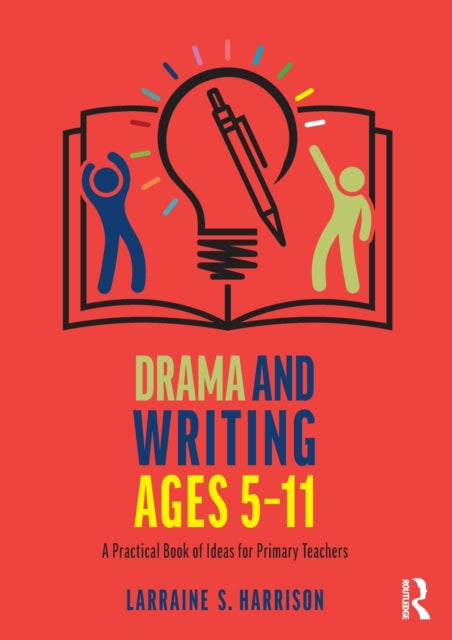
Drama and Writing Ages 5-11: A Practical Book of Ideas for Primary Teachers
Drama and Writing Ages 5-11: A Practical Book of Ideas for Primary Teachers
💎 Earn 94 Points (£0.94) on this item.
We can order this item for you. Delivery usually takes about 4 to 6 weeks.
This item is not held in our immediate stock. We will order it for you after checkout.
Estimated delivery: About 4 to 6 weeks
YOU SAVE £1.12
- Condition: Brand new
- UK Delivery times: Usually arrives within 2 - 3 working days
- UK Shipping: Fee starts at £2.39. Subject to product weight & dimension
Bulk ordering. Want 15 or more copies? Get a personalised quote and bigger discounts. Learn more about bulk orders.
Couldn't load pickup availability
- More about Drama and Writing Ages 5-11: A Practical Book of Ideas for Primary Teachers
Drama can stimulate and provide contexts, audiences, and purposes for writing, and offers step-by-step guidance on how to use it to facilitate the teaching of writing. It includes ideas for simple classroom strategies to more complex units of work and is suitable for all teachers, including those with limited experience.
Format: Paperback / softback
Length: 132 pages
Publication date: 22 March 2023
Publisher: Taylor & Francis Ltd
Drama can be a powerful tool for teaching writing, providing students with a unique and engaging way to explore their creativity and develop their writing skills. Here are ten different ways in which drama can stimulate and provide contexts, audiences, and purposes for writing:
1. Character Development: Drama allows students to create and develop complex characters, exploring their motivations, emotions, and relationships. This can help students to better understand the human experience and develop empathy for others.
2. Narrative Structure: Drama is a form of storytelling, and students can learn about the structure of a good story by studying the structure of a drama script. This can help students to develop their own narrative skills and create compelling stories of their own.
3. Dialogue: Drama is characterized by dialogue, and students can learn how to write effective dialogue by studying the dialogue in drama scripts. This can help students to develop their own voice and style in their writing.
4. Plot Development: Drama scripts often have complex plots that require students to think critically and develop their problem-solving skills. By studying the plot development in drama scripts, students can learn how to create their own compelling stories.
5. Conflict: Drama is full of conflict, and students can learn how to write effectively about conflict by studying the conflict in drama scripts. This can help students to develop their own characters and storylines and create tension and suspense in their writing.
6. Setting: Drama is often set in specific locations, and students can learn about the importance of setting in writing by studying the setting in drama scripts. This can help students to create vivid and realistic settings in their own writing.
7. Theme: Drama often explores themes such as love, loss, power, and justice, and students can learn about these themes by studying the themes in drama scripts. This can help students to develop their own themes and messages in their writing.
8. Point of View: Drama can be written from multiple points of view, and students can learn about the importance of point of view in writing by studying the point of view in drama scripts. This can help students to develop their own perspectives and voices in their writing.
9. Audience: Drama is intended for an audience, and students can learn about the importance of audience in writing by studying the audience in drama scripts. This can help students to develop their own audience and create writing that is tailored to their specific audience.
10. Collaboration: Drama is often a collaborative process, and students can learn about the importance of collaboration in writing by studying the collaboration in drama scripts. This can help students to develop their own collaboration skills and work effectively with others.
To use drama to facilitate the teaching of writing, teachers can follow these step-by-step guidelines:
1. Choose a drama script that is appropriate for your students' age and skill level.
2. Read the script carefully and analyze the characters, plot, and themes.
3. Divide the script into scenes and assign roles to your students.
4. Practice the scenes with your students, focusing on dialogue, character development, and plot development.
5. Encourage your students to write their own scripts based on the characters and themes of the drama script.
6. Use drama techniques such as improvisation, role-playing, and scene work to help your students develop their writing skills.
7. Provide feedback on your students' writing and encourage them to revise and edit their work.
There are many different ideas that teachers can use to incorporate drama into their writing lessons, ranging from simple classroom strategies to more complex units of work. Here are a few examples:
1. Character Development: Teachers can use drama to help students develop their characters by assigning roles and having students improvise scenes based on their characters' motivations and emotions.
2. Narrative Structure: Teachers can use drama to teach students about the structure of a good story by having students create their own drama scripts or study the structure of a drama script.
3. Dialogue: Teachers can use drama to teach students about effective dialogue by having students write their own dialogue or study the dialogue in a drama script.
4. Plot Development: Teachers can use drama to teach students about plot development by having students create their own drama scripts or study the plot development in a drama script.
5. Conflict: Teachers can use drama to teach students about conflict by having students create their own drama scripts or study the conflict in a drama script.
6. Setting: Teachers can use drama to teach students about setting by having students create their own drama scripts or study the setting in a drama script.
7. Theme: Teachers can use drama to teach students about themes by having students create their own drama scripts or study the themes in a drama script.
8. Point of View: Teachers can use drama to teach students about point of view by having students create their own drama scripts or study the point of view in a drama script.
9. Audience: Teachers can use drama to teach students about audience by having students create their own drama scripts or study the audience in a drama script.
10. Collaboration: Teachers can use drama to teach students about collaboration by having students create their own drama scripts or study the collaboration in a drama script.
In conclusion, drama can be a powerful tool for teaching writing, providing students with a unique and engaging way to explore their creativity and develop their writing skills. By using drama to facilitate the teaching of writing, teachers can help students develop their character development, narrative structure, dialogue, plot development, conflict, setting, theme, point of view, audience, and collaboration skills. There are many different ideas that teachers can use to incorporate drama into their writing lessons, ranging from simple classroom strategies to more complex units of work. With the right
appropriate use of drama, teachers can help their students become more confident and effective writers.
Weight: 268g
Dimension: 245 x 174 x 13 (mm)
ISBN-13: 9781032325880
UK and International shipping information
UK and International shipping information
UK Delivery and returns information:
- Delivery within 2 - 3 days when ordering in the UK.
- Shipping fee for UK customers from £2.39. Fully tracked shipping service available.
- Returns policy: Return within 30 days of receipt for full refund.
International deliveries:
Shulph Ink now ships to Australia, Belgium, Canada, France, Germany, Ireland, Italy, India, Luxembourg Saudi Arabia, Singapore, Spain, Netherlands, New Zealand, United Arab Emirates, United States of America.
- Delivery times: within 5 - 10 days for international orders.
- Shipping fee: charges vary for overseas orders. Only tracked services are available for most international orders. Some countries have untracked shipping options.
- Customs charges: If ordering to addresses outside the United Kingdom, you may or may not incur additional customs and duties fees during local delivery.