AndyLamey
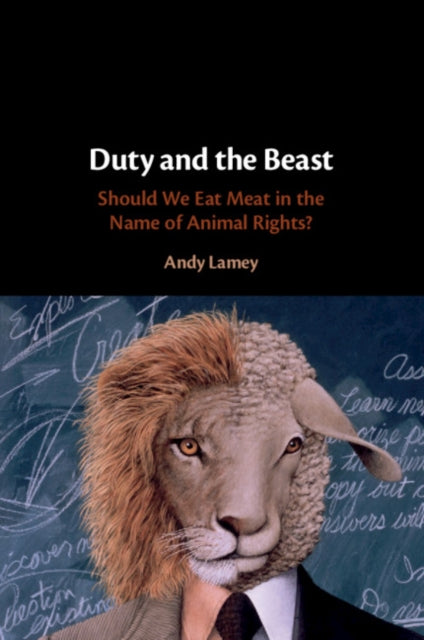
Duty and the Beast: Should We Eat Meat in the Name of Animal Rights?
Duty and the Beast: Should We Eat Meat in the Name of Animal Rights?
💎 Earn 160 Points (£1.60) on this item.
We can order this item for you. Delivery usually takes about 4 to 6 weeks.
This item is not held in our immediate stock. We will order it for you after checkout.
Estimated delivery: About 4 to 6 weeks
YOU SAVE £1.90
- Condition: Brand new
- UK Delivery times: Usually arrives within 2 - 3 working days
- UK Shipping: Fee starts at £2.39. Subject to product weight & dimension
Bulk ordering. Want 15 or more copies? Get a personalised quote and bigger discounts. Learn more about bulk orders.
Couldn't load pickup availability
- More about Duty and the Beast: Should We Eat Meat in the Name of Animal Rights?
The moral status of animals is a controversial topic in academic philosophy, with some arguing for a plant-based diet due to animal rights, while others suggest that we can eat meat while still protecting animals. Andy Lamey's critical analysis of past and present dialogues explores this trend toward a new kind of omnivorism that justifies meat-eating within a framework of animal protection, providing guidance for philosophers and researchers.
Format: Paperback / softback
Length: 270 pages
Publication date: 02 September 2021
Publisher: Cambridge University Press
The moral status of animals is a complex and contentious issue that has been debated within and outside the realm of academic philosophy. This debate revolves around the question of whether and when it is ethical to consume meat, particularly in light of concerns for animal welfare and rights. While a commitment to animal rights is often associated with a plant-based diet, recent philosophical work has challenged this notion by suggesting that even if animals warrant a high degree of moral standing, we may still be permitted or even obliged to eat meat.
In his book "Eating Animals: An Ethical Exploration," Andy Lamey provides a critical analysis of past and present dialogues surrounding animal rights. He discusses various topics such as plant agriculture, animal cognition, and in vitro meat, which have implications for our understanding of animal welfare and the ethics of meat consumption. Lamey documents the trend toward a new kind of omnivorism that justifies meat-eating within a framework of animal protection. He evaluates different forms of this new omnivorism and assesses which ones can be ethically justified, providing crucial guidance for philosophers and researchers in the fields of culture and agriculture.
One of the key arguments put forward by Lamey is that animals, like humans, are capable of experiencing pain and suffering. While some may argue that the consumption of meat is necessary for human survival, Lamey challenges this view by pointing out that there are alternative sources of protein and nutrients that can be obtained without harming animals. He also argues that the industrialization of meat production has led to deplorable conditions for animals, including overcrowding, confinement, and the use of harsh chemicals and antibiotics.
Lamey suggests that we can adopt a more ethical approach to meat consumption by reducing our overall meat intake and choosing to consume meat from animals that have been raised in more humane conditions. He advocates for the adoption of sustainable agriculture practices that prioritize animal welfare and reduce the environmental impact of meat production. Additionally, Lamey explores the concept of animal cognition and argues that animals have complex cognitive abilities and emotions that deserve respect and consideration. He suggests that we should treat animals with kindness and respect and avoid using them for entertainment or experimentation.
In conclusion, the moral status of animals is a complex and multifaceted issue that requires careful consideration and analysis. While a commitment to animal rights is often associated with a plant-based diet, recent philosophical work has challenged this notion by suggesting that we may still be permitted or even obliged to eat meat. Andy Lamey's book "Eating Animals: An Ethical Exploration" provides a critical analysis of past and present dialogues surrounding animal rights and offers valuable guidance for philosophers and researchers in the fields of culture and agriculture. By adopting a more ethical approach to meat consumption, we can reduce our impact on animal welfare and promote a more sustainable and compassionate society.
Weight: 398g
Dimension: 150 x 226 x 18 (mm)
ISBN-13: 9781316612880
UK and International shipping information
UK and International shipping information
UK Delivery and returns information:
- Delivery within 2 - 3 days when ordering in the UK.
- Shipping fee for UK customers from £2.39. Fully tracked shipping service available.
- Returns policy: Return within 30 days of receipt for full refund.
International deliveries:
Shulph Ink now ships to Australia, Belgium, Canada, France, Germany, Ireland, Italy, India, Luxembourg Saudi Arabia, Singapore, Spain, Netherlands, New Zealand, United Arab Emirates, United States of America.
- Delivery times: within 5 - 10 days for international orders.
- Shipping fee: charges vary for overseas orders. Only tracked services are available for most international orders. Some countries have untracked shipping options.
- Customs charges: If ordering to addresses outside the United Kingdom, you may or may not incur additional customs and duties fees during local delivery.