Shulph Ink
Dystonia
Dystonia
💎 Earn 802 Points (£8.02) on this item.
- Condition: Brand new
- UK Delivery times: Usually arrives within 2 - 3 working days
- UK Shipping: Fee starts at £2.39. Subject to product weight & dimension
Bulk ordering. Want 15 or more copies? Get a personalised quote and bigger discounts. Learn more about bulk orders.
Couldn't load pickup availability
- More about Dystonia
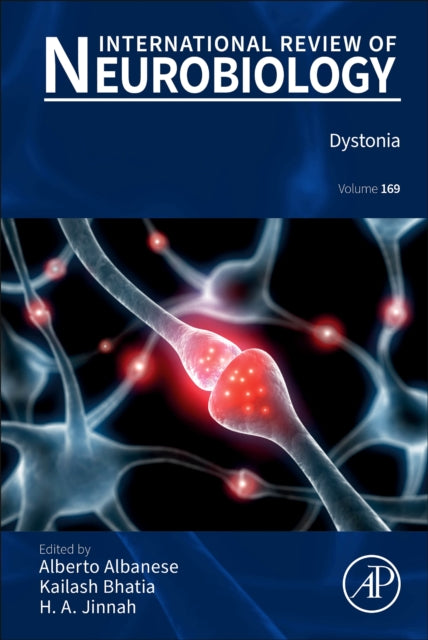
The latest issue of the International Review of Neurobiology serial, Dystonia, Volume 169, covers new developments in the field, such as clinical features, classification, epidemiology, genes, biological pathways, functional anatomy, physiology, and experimental pharmacology.
Format: Hardback
Length: 322 pages
Publication date: 15 July 2023
Publisher: Elsevier Science & Technology
Dystonia, a condition that affects the muscles and causes them to contract or twist in an uncontrolled manner, is the subject of extensive research and study. In the latest issue of the International Review of Neurobiology serial, titled "Dystonia," researchers have compiled a collection of insightful chapters that delve into various aspects of this disorder.
The first chapter, titled "Clinical Features and the Science of Classification," provides a comprehensive overview of the clinical manifestations of dystonia. It discusses the various types of dystonia, including primary, secondary, and generalized forms, as well as their symptoms, onset, and progression. The chapter also explores the challenges faced by patients with dystonia, including their difficulty with daily activities, employment, and social interactions.
The second chapter, titled "What Can Epidemiological Studies Tell us About the Neurobiology of Dystonia?" examines the role of genetics in dystonia. It discusses the genetic factors that contribute to the development of dystonia, as well as the potential for genetic testing to help diagnose and predict the course of the disorder. The chapter also highlights the importance of epidemiological studies in understanding the prevalence and incidence of dystonia, as well as the factors that may influence its progression.
The third chapter, titled "Dystonia Genes and Their Biological Pathways," explores the genetic mechanisms that underlie the development of dystonia. It discusses the role of specific genes in the regulation of muscle function, as well as the potential for gene therapy to treat dystonia. The chapter also highlights the importance of understanding the biological pathways that are involved in dystonia, in order to develop new and more effective treatments.
The fourth chapter, titled "Functional Anatomy of Dystonia," provides a detailed overview of the anatomy of the muscles and nerves that are involved in dystonia. It discusses the structural abnormalities that can occur in these tissues, as well as the potential for imaging techniques, such as MRI and CT scans, to diagnose and monitor dystonia. The chapter also highlights the importance of understanding the functional anatomy of dystonia in order to develop new and more effective treatments.
The fifth chapter, titled "Physiology of Dystonia: Human Studies," explores the physiological mechanisms that underlie the development and progression of dystonia. It discusses the role of neurotransmitters, such as dopamine and serotonin, in the regulation of muscle function, as well as the potential for drug therapies to target these neurotransmitters. The chapter also highlights the importance of human studies in understanding the pathophysiology of dystonia, in order to develop new and more effective treatments.
The sixth chapter, titled "Physiology of Dystonia: Animal Studies," explores the physiological mechanisms that underlie the development and progression of dystonia in animal models. It discusses the use of animal models to study the effects of drugs and other treatments on dystonia, as well as the potential for these models to help identify new targets for therapy. The chapter also highlights the importance of animal studies in understanding the biological mechanisms that underlie dystonia, in order to develop new and more effective treatments.
The seventh chapter, titled "Experimental Pharmacology: Targeting Neurotransmitters," explores the use of experimental pharmacology to target the neurotransmitters that are involved in the development and progression of dystonia. It discusses the use of drugs, such as botulinum toxins and anticholinergics, to treat dystonia, as well as the potential for these drugs to have side effects. The chapter also highlights the importance of experimental pharmacology in understanding the mechanisms of dystonia, in order to develop new and more effective treatments.
The eighth chapter, titled "Experimental Pharmacology: Targeting Metabolic Pathways," explores the use of experimental pharmacology to target the metabolic pathways that are involved in the development and progression of dystonia. It discusses the use of drugs, such as statins and antioxidants, to treat dystonia, as well as the potential for these drugs to have side effects. The chapter also highlights the importance of experimental pharmacology in understanding the mechanisms of dystonia, in order to develop new and more effective treatments.
The ninth chapter, titled "Adult-Onset Focal Dystonias: One Biology or Many?" explores the biology of adult-onset focal dystonias, which are a group of disorders that affect the muscles in one area of the body. It discusses the potential for these disorders to be caused by different biological mechanisms, as well as the potential for genetic testing to help diagnose and predict the course of the disorder. The chapter also highlights the importance of understanding the biology of adult-onset focal dystonias in order to develop new and more effective treatments.
The tenth chapter, titled "Early-Onset Inherited vs Late-Onset Idiopathic Dystonias: Same or Different Biological Mechanisms?" explores the differences between early-onset inherited dystonias and late-onset idiopathic dystonias. It discusses the potential for these disorders to be caused by different biological mechanisms, as well as the potential for genetic testing to help diagnose and predict the course of the disorder. The chapter also highlights the importance of understanding the differences between these two types of dystonias in order to develop new and more effective treatments.
In conclusion, "Dystonia" is a comprehensive and informative volume that provides a wealth of information on the clinical features, neurobiology, genetics, and physiology of dystonia. The chapters in this volume are written by leading researchers in the field, and they offer a valuable insight into the latest advances in dystonia research. This volume is a must-read for anyone interested in dystonia, as it provides a comprehensive and up-to-date overview of the disorder.
The first chapter, titled "Clinical Features and the Science of Classification," provides a comprehensive overview of the clinical manifestations of dystonia. It discusses the various types of dystonia, including primary, secondary, and generalized forms, as well as their symptoms, onset, and progression. The chapter also explores the challenges faced by patients with dystonia, including their difficulty with daily activities, employment, and social interactions.
The second chapter, titled "What Can Epidemiological Studies Tell us About the Neurobiology of Dystonia?" examines the role of genetics in dystonia. It discusses the genetic factors that contribute to the development of dystonia, as well as the potential for genetic testing to help diagnose and predict the course of the disorder. The chapter also highlights the importance of epidemiological studies in understanding the prevalence and incidence of dystonia, as well as the factors that may influence its progression.
The third chapter, titled "Dystonia Genes and Their Biological Pathways," explores the genetic mechanisms that underlie the development of dystonia. It discusses the role of specific genes in the regulation of muscle function, as well as the potential for gene therapy to treat dystonia. The chapter also highlights the importance of understanding the biological pathways that are involved in dystonia, in order to develop new and more effective treatments.
The fourth chapter, titled "Functional Anatomy of Dystonia," provides a detailed overview of the anatomy of the muscles and nerves that are involved in dystonia. It discusses the structural abnormalities that can occur in these tissues, as well as the potential for imaging techniques, such as MRI and CT scans, to diagnose and monitor dystonia. The chapter also highlights the importance of understanding the functional anatomy of dystonia in order to develop new and more effective treatments.
The fifth chapter, titled "Physiology of Dystonia: Human Studies," explores the physiological mechanisms that underlie the development and progression of dystonia. It discusses the role of neurotransmitters, such as dopamine and serotonin, in the regulation of muscle function, as well as the potential for drug therapies to target these neurotransmitters. The chapter also highlights the importance of human studies in understanding the pathophysiology of dystonia, in order to develop new and more effective treatments.
The sixth chapter, titled "Physiology of Dystonia: Animal Studies," explores the physiological mechanisms that underlie the development and progression of dystonia in animal models. It discusses the use of animal models to study the effects of drugs and other treatments on dystonia, as well as the potential for these models to help identify new targets for therapy. The chapter also highlights the importance of animal studies in understanding the biological mechanisms that underlie dystonia, in order to develop new and more effective treatments.
The seventh chapter, titled "Experimental Pharmacology: Targeting Neurotransmitters," explores the use of experimental pharmacology to target the neurotransmitters that are involved in the development and progression of dystonia. It discusses the use of drugs, such as botulinum toxins and anticholinergics, to treat dystonia, as well as the potential for these drugs to have side effects. The chapter also highlights the importance of experimental pharmacology in understanding the mechanisms of dystonia, in order to develop new and more effective treatments.
The eighth chapter, titled "Experimental Pharmacology: Targeting Metabolic Pathways," explores the use of experimental pharmacology to target the metabolic pathways that are involved in the development and progression of dystonia. It discusses the use of drugs, such as statins and antioxidants, to treat dystonia, as well as the potential for these drugs to have side effects. The chapter also highlights the importance of experimental pharmacology in understanding the mechanisms of dystonia, in order to develop new and more effective treatments.
The ninth chapter, titled "Adult-Onset Focal Dystonias: One Biology or Many?" explores the biology of adult-onset focal dystonias, which are a group of disorders that affect the muscles in one area of the body. It discusses the potential for these disorders to be caused by different biological mechanisms, as well as the potential for genetic testing to help diagnose and predict the course of the disorder. The chapter also highlights the importance of understanding the biology of adult-onset focal dystonias in order to develop new and more effective treatments.
The tenth chapter, titled "Early-Onset Inherited vs Late-Onset Idiopathic Dystonias: Same or Different Biological Mechanisms?" explores the differences between early-onset inherited dystonias and late-onset idiopathic dystonias. It discusses the potential for these disorders to be caused by different biological mechanisms, as well as the potential for genetic testing to help diagnose and predict the course of the disorder. The chapter also highlights the importance of understanding the differences between these two types of dystonias in order to develop new and more effective treatments.
In conclusion, "Dystonia" is a comprehensive and informative volume that provides a wealth of information on the clinical features, neurobiology, genetics, and physiology of dystonia. The chapters in this volume are written by leading researchers in the field, and they offer a valuable insight into the latest advances in dystonia research. This volume is a must-read for anyone interested in dystonia, as it provides a comprehensive and up-to-date overview of the disorder.
Weight: 932g
Dimension: 159 x 239 x 32 (mm)
ISBN-13: 9780323990264
This item can be found in:
UK and International shipping information
UK and International shipping information
UK Delivery and returns information:
- Delivery within 2 - 3 days when ordering in the UK.
- Shipping fee for UK customers from £2.39. Fully tracked shipping service available.
- Returns policy: Return within 30 days of receipt for full refund.
International deliveries:
Shulph Ink now ships to Australia, Belgium, Canada, France, Germany, Ireland, Italy, India, Luxembourg Saudi Arabia, Singapore, Spain, Netherlands, New Zealand, United Arab Emirates, United States of America.
- Delivery times: within 5 - 10 days for international orders.
- Shipping fee: charges vary for overseas orders. Only tracked services are available for most international orders. Some countries have untracked shipping options.
- Customs charges: If ordering to addresses outside the United Kingdom, you may or may not incur additional customs and duties fees during local delivery.