MichaelCronin
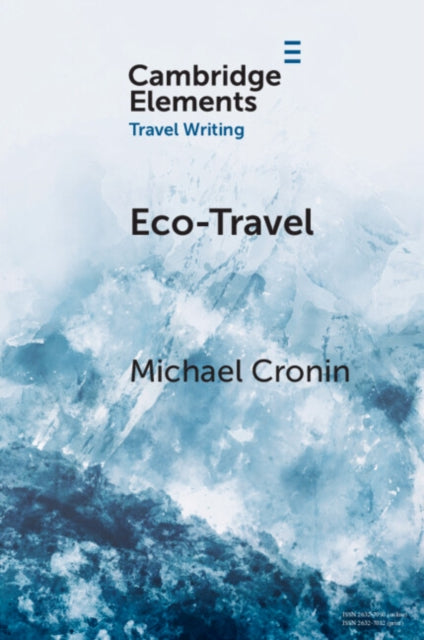
Eco-Travel: Journeying in the Age of the Anthropocene
Eco-Travel: Journeying in the Age of the Anthropocene
💎 Earn 84 Points (£0.84) on this item.
We can order this item for you. Delivery usually takes about 4 to 6 weeks.
This item is not held in our immediate stock. We will order it for you after checkout.
Estimated delivery: About 4 to 6 weeks
YOU SAVE £1.01
- Condition: Brand new
- UK Delivery times: Usually arrives within 2 - 3 working days
- UK Shipping: Fee starts at £2.39. Subject to product weight & dimension
Bulk ordering. Want 15 or more copies? Get a personalised quote and bigger discounts. Learn more about bulk orders.
Couldn't load pickup availability
- More about Eco-Travel: Journeying in the Age of the Anthropocene
Travel writing has been shaped by human encounters with the natural world, from foreign adventures to flight-shaming. It explores how humans view the environment and asks how travel writers can deal with practices that are destroying it.
Format: Paperback / softback
Length: 75 pages
Publication date: 17 March 2022
Publisher: Cambridge University Press
Travel and human encounters with the natural world are intertwined, with nature presenting itself as a formidable obstacle, a source of awe and wonder, or a therapeutic refuge. The history of human mobility is closely linked to the stories of these encounters, offering insights into the diversity of the natural world, how humans interpret and respond to it, and the challenges and opportunities in maintaining bio-cultural diversity. Travel writing has played a significant role in shaping how humans perceive the environment, from exotic adventures to discussions about flight-shaming. However, with the rise.
Travel and human encounters with the natural world are intertwined, with nature presenting itself as a formidable obstacle, a source of awe and wonder, or a therapeutic refuge. The history of human mobility is closely linked to the stories of these encounters, offering insights into the diversity of the natural world, how humans interpret and respond to it, and the challenges and opportunities in maintaining bio-cultural diversity. Travel writing has played a significant role in shaping how humans perceive the environment, from exotic adventures to discussions about flight-shaming. However, with the increasing accessibility of environmentally damaging forms of transport, how do travel writers navigate a practice that is contributing to the destruction of the world they claim to cherish? This Element explores human travel encounters with the environment over the centuries and raises the question: What is the future of travel writing in the age of the Anthropocene?
Nature, as a formidable obstacle, a source of awe and wonder, or a therapeutic refuge, is intricately linked to the story of human mobility. The narratives of these encounters provide a glimpse into the diverse tapestry of the natural world, the ways in which humans perceive and engage with it, and the complexities involved in preserving bio-cultural diversity. Travel writing has played a pivotal diversity in shaping how humans perceive the environment, ranging from exotic adventures to critical examinations of flight-shaming. However, in the age of the Anthropocene, where the impact of human activities on the environment is becoming increasingly evident, the role of travel writing in addressing these issues becomes more crucial than ever.
One of the primary challenges facing travel writing in the Anthropocene is the issue of environmental sustainability. With the growing demand for travel and the associated carbon footprint, it is essential for writers to consider the impact of their journeys on the planet. Many travel writers are now advocating for responsible tourism, promoting eco-friendly practices, and encouraging travelers to minimize their environmental footprint. This includes advocating for low-impact activities, such as hiking, cycling, and responsible wildlife encounters, as well as supporting local communities and sustainable tourism initiatives.
Another challenge facing travel writing in the Anthropocene is the need to address the growing inequality within the travel industry. The industry has historically been dominated by privileged individuals who can afford to travel to exotic destinations, often at the expense of marginalized communities and the environment. Travel writing has the potential to challenge these inequalities by highlighting the experiences of marginalized communities and promoting inclusivity and diversity in the travel industry. This can involve highlighting the cultural and environmental significance of local communities, promoting sustainable tourism practices, and advocating for fair compensation and working conditions for local workers.
In addition to these challenges, travel writing in the Anthropocene must also grapple with the issue of climate change. The changing climate is posing significant threats to the natural world, and travel writers must be aware of these risks and incorporate them into their writing. This can involve highlighting the impacts of climate change on ecosystems, wildlife, and local communities, advocating for climate action, and promoting sustainable travel practices.
Despite these challenges, travel writing in the Anthropocene has the potential to be a powerful tool for promoting awareness and action on environmental issues. By highlighting the diversity of the natural world, the ways in which humans interact with it, and the challenges and opportunities in preserving bio-cultural diversity, travel writing can inspire readers to take action and make a positive impact on the planet.
One way in which travel writing can promote environmental awareness is by showcasing the beauty and diversity of the natural world. Travel writers can use their experiences to highlight the unique features of different ecosystems, the importance of biodiversity, and the threats posed by climate change. By doing so, they can inspire readers to appreciate the natural world and to take steps.
Another way in which travel writing can promote environmental awareness is by promoting responsible tourism practices. Travel writers can use their platforms to advocate for eco-friendly practices, such as reducing waste, conserving water, and supporting local communities. By doing so, they can encourage readers to adopt these practices and to make a positive impact on the environment.
In addition, travel writing can promote environmental awareness by highlighting the experiences of marginalized communities and promoting inclusivity and diversity in the travel industry. By doing so, they can challenge the inequalities that exist within the industry and promote a more equitable and sustainable future.
Finally, travel writing can promote environmental awareness by advocating for climate action. By raising awareness of the impacts of climate change and promoting sustainable travel practices, travel writers can inspire readers to take action and make a positive impact on the planet.
In conclusion, travel writing in the Anthropocene presents both challenges and opportunities. By addressing the issue of environmental sustainability, promoting responsible tourism practices, addressing the growing inequality within the travel industry, and advocating for climate action, travel writing can be a powerful tool for promoting awareness and action on environmental issues. By showcasing the beauty and diversity of the natural world, promoting responsible tourism practices, addressing the growing inequality within the travel industry, and advocating for climate action, travel writing can inspire readers to take action and make a positive impact on the planet. As we navigate the challenges and opportunities of the Anthropocene, travel writing has the potential to play a pivotal age in shaping a more sustainable and equitable future for all.
Weight: 136g
Dimension: 174 x 228 x 11 (mm)
ISBN-13: 9781108823340
Edition number: New ed
This item can be found in:
UK and International shipping information
UK and International shipping information
UK Delivery and returns information:
- Delivery within 2 - 3 days when ordering in the UK.
- Shipping fee for UK customers from £2.39. Fully tracked shipping service available.
- Returns policy: Return within 30 days of receipt for full refund.
International deliveries:
Shulph Ink now ships to Australia, Belgium, Canada, France, Germany, Ireland, Italy, India, Luxembourg Saudi Arabia, Singapore, Spain, Netherlands, New Zealand, United Arab Emirates, United States of America.
- Delivery times: within 5 - 10 days for international orders.
- Shipping fee: charges vary for overseas orders. Only tracked services are available for most international orders. Some countries have untracked shipping options.
- Customs charges: If ordering to addresses outside the United Kingdom, you may or may not incur additional customs and duties fees during local delivery.