Shulph Ink
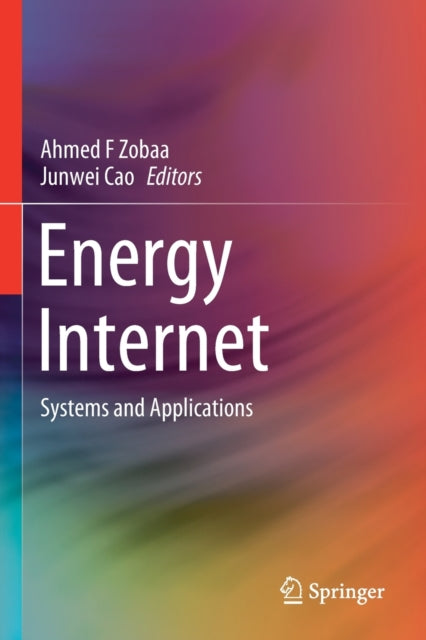
Energy Internet: Systems and Applications
Energy Internet: Systems and Applications
We can order this item for you. Delivery usually takes about 4 to 6 weeks.
This item is not held in our immediate stock. We will order it for you after checkout.
Estimated delivery: About 4 to 6 weeks
YOU SAVE £14.14
- Condition: Brand new
- UK Delivery times: Usually arrives within 2 - 3 working days
- UK Shipping: Fee starts at £3.89. Subject to product weight & dimension
Bulk ordering. Want 15 or more copies? Get a personalised quote and bigger discounts. Learn more about bulk orders.
Couldn't load pickup availability
- More about Energy Internet: Systems and Applications
This textbook provides a comprehensive overview of the energy Internet, a vast network that delivers electricity efficiently and is an internet-based wide area network for information and energy fusion. It covers key technologies, research trends, and applications in various fields, making it a valuable resource for students and professionals in energy and control systems.
Format: Paperback / softback
Length: 441 pages
Publication date: 19 June 2021
Publisher: Springer Nature Switzerland AG
The Energy Internet is a revolutionary concept that aims to provide efficient and universal access to electricity, making it available to everyone, regardless of their location. It is a vast network that utilizes the internet and other communication technologies to facilitate the seamless transfer of energy. This innovative approach to energy distribution has the potential to transform the way we consume and produce electricity, leading to a more sustainable and efficient energy system.
The Energy Internet is characterized by its decentralized nature, which allows for the integration of various energy sources, such as renewable energy, energy storage, and conventional power plants. This integration enables the optimization of energy production and consumption, reducing waste and improving the overall efficiency of the energy system.
One of the key features of the Energy Internet is its ability to enable smart grid technologies. Smart grids are advanced electrical networks that use digital technologies to monitor and control the flow of electricity. They can detect and respond to changes in demand, optimize energy distribution, and prevent power outages. This technology has the potential to improve the reliability and stability of the power grid, as well as reduce energy costs for consumers.
Another important aspect of the Energy Internet is its ability to facilitate the integration of distributed energy resources, such as solar panels, wind turbines, and energy storage systems. These resources can be located in various locations, including homes, businesses, and even transportation vehicles. By integrating these resources into the Energy Internet, we can increase the resilience of the energy system and reduce our dependence on traditional power plants.
The Energy Internet also has the potential to improve the quality of life for individuals and communities. By providing access to clean and reliable electricity, it can reduce air pollution, improve health outcomes, and support economic development. Moreover, the Energy Internet can enable the development of new applications and services, such as smart homes, smart cities, and electric vehicles, which can further enhance the benefits of this innovative technology.
However, the development of the Energy Internet faces several challenges. One of the biggest challenges is the need for infrastructure investment. Building the necessary infrastructure, such as smart meters, power lines, and communication networks, can be expensive and time-consuming. Additionally, there are regulatory and policy challenges that need to be addressed to ensure the safe and efficient operation of the Energy Internet.
Despite these challenges, the Energy Internet is gaining momentum and receiving increasing attention from governments, industry, and researchers around the world. There are ongoing efforts to develop new technologies, policies, and regulations that will support the development of the Energy Internet and ensure its widespread adoption.
In conclusion, the Energy Internet is a transformative concept that has the potential to revolutionize the way
The Energy Internet is a revolutionary concept that aims to provide efficient and universal access to electricity, making it available to everyone, regardless of their location. It is a vast network that utilizes the internet and other communication technologies to facilitate the seamless transfer of energy. This innovative approach to energy distribution has the potential to transform the way we consume and produce electricity, leading to a more sustainable and efficient energy system.
The Energy Internet is characterized by its decentralized nature, which allows for the integration of various energy sources, such as renewable energy, energy storage, and conventional power plants. This integration enables the optimization of energy production and consumption, reducing waste and improving the overall efficiency of the energy system.
One of the key features of the Energy Internet is its ability to enable smart grid technologies. Smart grids are advanced electrical networks that use digital technologies to monitor and control the flow of electricity. They can detect and respond to changes in demand, optimize energy distribution, and prevent power outages. This technology has the potential to improve the reliability and stability of the power grid, as well as reduce energy costs for consumers.
Another important aspect of the Energy Internet is its ability to facilitate the integration of distributed energy resources, such as solar panels, wind turbines. These resources can be located in various locations, including homes, businesses, and even transportation vehicles. By integrating these resources into the Energy Internet, we can increase the resilience of the energy system and reduce our dependence on traditional power plants.
The Energy Internet also has the potential to improve the quality of life for individuals and communities. By providing access to clean and reliable electricity, it can reduce air pollution, improve health outcomes, and support economic development. Moreover, the Energy Internet can enable the development of new applications and services, such as smart homes, smart cities, and electric vehicles, which can further enhance the benefits of this innovative technology.
However, the development of the Energy Internet faces several challenges. One of the biggest challenges is the need for infrastructure investment. Building the necessary infrastructure, such as smart meters, power lines, and communication networks, can be expensive and time-consuming. Additionally, there are regulatory and policy challenges that need to be addressed to ensure the safe and efficient operation of the Energy Internet.
Despite these challenges, the Energy Internet is gaining momentum and receiving increasing attention from governments, industry, and researchers around the world. There are ongoing efforts to develop new technologies, policies, and regulations that will support the development of the Energy Internet and ensure its widespread adoption.
In conclusion, the Energy Internet is a transformative concept that has the potential to revolutionize the way
The Energy Internet is a revolutionary concept that aims to provide efficient and universal access to electricity, making it available to everyone, regardless of their location. It is a vast network that utilizes the internet and other communication technologies to facilitate the seamless transfer of energy. This innovative approach to energy distribution has the potential to transform the way
The Energy Internet is characterized by its decentralized nature, which allows for the integration of various energy sources, such as renewable energy, energy storage, and conventional power plants. This integration enables the optimization of energy production and consumption, reducing waste and improving the overall efficiency of the energy system.
One of the key features of the Energy Internet is its ability to enable smart grid technologies. Smart grids are advanced electrical networks that use digital technologies to monitor and control the flow of electricity. They can detect and respond to changes in demand, optimize energy distribution, and prevent power outages. This technology has the potential to improve the reliability and stability of the power grid, as well as reduce energy costs for consumers.
Another important aspect of the Energy Internet is its ability to facilitate the integration of distributed energy resources, such as solar panels, wind. These resources can be located in various locations, including homes, businesses, and even transportation vehicles. By integrating these resources into the Energy Internet, we can increase the resilience of the energy system and reduce our dependence on traditional power plants.
The Energy Internet also has the potential to improve the quality of life for individuals and communities. By providing access to clean and reliable electricity, it can reduce air pollution, improve health outcomes, and support economic development. Moreover, the Energy Internet can enable the development of new applications and services, such as smart homes, smart cities, and electric vehicles, which can further enhance the benefits of this innovative technology.
However, the development of the Energy Internet faces several challenges. One of the biggest challenges is the need for infrastructure investment. Building the necessary infrastructure, such as smart meters, power lines, and communication networks, can be expensive and time-consuming. Additionally, there are regulatory and policy challenges that need to be addressed to ensure the safe and efficient operation of the Energy Internet.
Despite these challenges, the Energy Internet is gaining momentum and receiving increasing attention from governments, industry, and researchers around the world. There are ongoing efforts to develop new technologies, policies, and regulations that will support the development of the Energy Internet and ensure its widespread adoption.
In conclusion, the Energy Internet is a transformative concept that has the potential to revolutionize the
The Energy Internet is a revolutionary concept that aims to provide efficient and universal access to electricity, making it available to everyone, regardless of their location. It is a vast network that utilizes the internet and other communication technologies to facilitate the seamless transfer of energy. This innovative approach to energy distribution has the potential to transform the way
The Energy Internet is characterized by its decentralized nature, which allows for the integration of various energy sources, such as renewable energy, energy storage, and conventional power plants. This integration enables the optimization of energy production and consumption, reducing waste and improving the overall efficiency of the energy system.
One of the key features of the Energy Internet is its ability to enable smart grid technologies. Smart grids are advanced electrical networks that use digital technologies to monitor and control the flow of electricity. They can detect and respond to changes in demand, optimize energy distribution, and prevent power outages. This technology has the potential to improve the reliability and stability of the power grid, as well as reduce energy costs for consumers.
Another important aspect of the Energy Internet is its ability to facilitate the integration of distributed energy resources, such as solar panels, wind. These resources can be located in various locations, including homes, businesses, and even transportation vehicles. By integrating these resources into the Energy Internet, we can increase the resilience of the energy system and reduce our dependence on traditional power plants.
The Energy Internet also has the potential to improve the quality of life for individuals and communities. By providing access to clean and reliable electricity, it can reduce air pollution, improve health outcomes, and support economic development. Moreover, the Energy Internet can enable the development of new applications and services, such as smart homes, smart cities, and electric vehicles, which can further enhance the benefits of this innovative technology.
However, the development of the Energy Internet faces several challenges. One of the biggest challenges is the need for infrastructure investment. Building the necessary infrastructure, such as smart meters, power lines, and communication networks, can be expensive and time-consuming. Additionally, there are regulatory and policy challenges that need to be addressed to ensure the safe and efficient operation of the Energy Internet.
Despite these challenges, the Energy Internet is gaining momentum and receiving increasing attention from governments, industry, and researchers around the world. There are ongoing efforts to develop new technologies, policies, and regulations that will support the development of the Energy Internet and ensure its widespread adoption.
In conclusion, the Energy Internet is a transformative concept that has the potential to revolutionize the
The Energy Internet is a revolutionary concept that aims to provide efficient and universal access to electricity, making it available to everyone, regardless of their location. It is a vast network that utilizes the internet and other communication technologies to facilitate the seamless transfer of energy. This innovative approach to energy distribution has the potential to transform the
The Energy Internet is characterized by its decentralized nature, which allows for the integration of various energy sources, such as renewable energy, energy storage, and conventional power plants. This integration enables the optimization of energy production and consumption, reducing waste and improving the overall efficiency of the energy system.
One of the key features of the Energy Internet is its ability to enable smart grid technologies. Smart grids are advanced electrical networks that use digital technologies to monitor and control the flow of electricity. They can detect and respond to changes in demand, optimize energy distribution, and prevent power outages. This technology has the potential to improve the reliability and stability of the power grid, as well as reduce energy costs for consumers.
Another important aspect of the Energy Internet is its ability to facilitate the integration of distributed energy resources, such as solar panels, wind. These resources can be located in various locations, including homes, businesses, and even transportation vehicles. By integrating these resources into the Energy Internet, we can increase the resilience of the energy system and reduce our dependence on traditional power plants.
The Energy Internet also has the potential to improve the quality of life for individuals and communities. By providing access to clean and reliable electricity, it can reduce air pollution, improve health outcomes, and support economic development. Moreover, the Energy Internet can enable the development of new applications and services, such as smart homes, smart cities, and electric vehicles, which can further enhance the benefits of this innovative technology.
However, the development of the Energy Internet faces several challenges. One of the biggest challenges is the need for infrastructure investment. Building the necessary infrastructure, such as smart meters, power lines, and communication networks, can be expensive and time-consuming. Additionally, there are regulatory and policy challenges that need to be addressed to ensure the safe and efficient operation of the Energy Internet.
Despite these challenges, the Energy Internet is gaining momentum and receiving increasing attention from governments, industry, and researchers around the world. There are ongoing efforts to develop new technologies, policies, and regulations that will support the development of the Energy Internet and ensure its widespread adoption.
In conclusion, the Energy Internet is a transformative concept that has the potential to revolutionize the
Weight: 682g
Dimension: 235 x 155 (mm)
ISBN-13: 9783030454555
Edition number: 1st ed. 2020
UK and International shipping information
UK and International shipping information
We deliver throughout the United Kingdom and to 128 countries and territories worldwide, including the United States, Australia, Canada, Germany, Spain and France.