Shulph Ink
Epicurus in Rome: Philosophical Perspectives in the Ciceronian Age
Epicurus in Rome: Philosophical Perspectives in the Ciceronian Age
💎 Earn 366 Points (£3.66) on this item.
YOU SAVE £1.80
- Condition: Brand new
- UK Delivery times: Usually arrives within 2 - 3 working days
- UK Shipping: Fee starts at £2.39. Subject to product weight & dimension
Bulk ordering. Want 15 or more copies? Get a personalised quote and bigger discounts. Learn more about bulk orders.
Couldn't load pickup availability
- More about Epicurus in Rome: Philosophical Perspectives in the Ciceronian Age
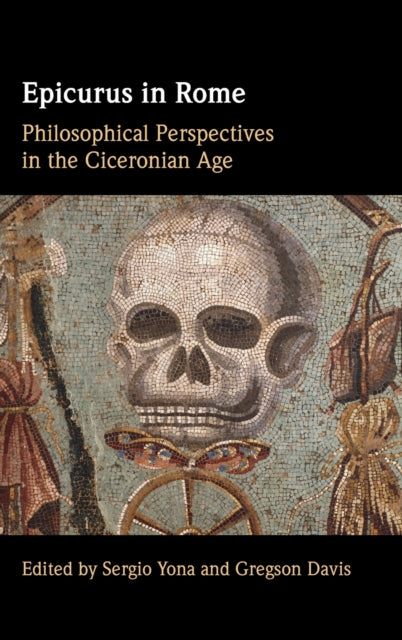
This volume of essays explores the role and influence of Greek philosophy, specifically Epicureanism, in the late Roman republic, focusing on the works and views of Cicero and Lucretius. It examines the impact of their reception on the popularity and controversy of Epicureanism in Italy, ranging from ethical and political concerns to scientific and celestial phenomena.
Format: Hardback
Length: 248 pages
Publication date: 27 January 2022
Publisher: Cambridge University Press
The influence of Greek philosophy on the final days of the Roman Republic has been a subject of significant interest in recent years. This collection of essays, curated specifically by a distinguished international panel of scholars, delves into the role and impact of Epicureanism, a prominent Greek philosophy, during the late Roman period. While the focus primarily lies on the works and ideas of Cicero, the esteemed premier politician and Roman philosopher of his time, and Lucretius, the foremost advocate and supporter of Epicureanism during that era, the volume also explores the diverse reception of these influential authors. Through this exploration, the volume sheds light on the popularity and controversy surrounding the followers of Epicurus in Italy, encompassing a range of ethical, political, and scientific concerns, as well as their understanding of celestial phenomena.
The Roman Republic, a time of immense political and social upheaval, witnessed the profound influence of Greek philosophy on its final days. The Epicurean school of thought, in particular, played a significant role in shaping the intellectual landscape of this period. Founded by Epicurus, a Greek philosopher who lived in the third century BCE, Epicureanism emphasized the pursuit of pleasure and the rejection of excessive fear and anxiety.
Cicero, one of the most influential figures of the Roman Republic, was a staunch advocate of Epicureanism. He believed that the pursuit of pleasure was the ultimate goal of human existence and that the cultivation of friendship and virtue was the path to happiness. Cicero's writings, particularly his letters and speeches, were widely read and admired, and his ideas had a profound impact on the Roman public.
Lucretius, another prominent Epicurean philosopher, was a scientist and writer who lived in the first century BCE. He wrote a famous work called "De rerum natura," which was a philosophical and scientific treatise that explored the nature of the universe and the principles of physics. Lucretius's work was highly influential in the Roman world, and his ideas about the nature of the universe and the role of the atom in the formation of matter were widely accepted.
The impact of Epicureanism on the Roman Republic was multifaceted. On the one hand, it promoted a sense of individualism and personal freedom, which were values that were highly prized by the Roman public. Epicureanism also emphasized the importance of living a simple and modest life, which was in contrast to the extravagant and luxurious lifestyle of the Roman elite.
On the other hand, Epicureanism was also criticized for its emphasis on pleasure and its rejection of moral and social values. Some critics argued that Epicureanism was too focused on individualism and that it neglected the importance of community and social responsibility.
Despite these criticisms, Epicureanism continued to be popular among certain segments of the Roman public, particularly among the middle and lower classes. Its emphasis on personal freedom and simplicity appealed to those who were dissatisfied with the political and social hierarchy
The role of Greek thought in the final days of the Roman Republic is a topic that has garnered much attention in recent years. This volume of essays,commissioned specially from a distinguished international group of scholars,explores the role and influence of Greek philosophy,specifically Epicureanism,in the late republic. It focuses primarily (although not exclusively) on the works and views of Cicero,premier politician and Roman philosopher of the day,and Lucretius,foremost among the representatives and supporters of Epicureanism at the time. Throughout the volume,the impact of such disparate reception on the part of these leading authors is explored in a way that illuminates the popularity as well as the controversy attached to the followers of Epicurus in Italy,ranging from ethical and political concerns to the understanding of scientific and celestial phenomena.
The influence of Greek philosophy on the final days of the Roman Republic has been a subject of significant interest in recent years. This collection of essays, curated specifically by a distinguished international panel of scholars, delves into the role and impact of Epicureanism, a prominent Greek philosophy, during the late Roman period. While the focus primarily lies on the works and ideas of Cicero, the esteemed premier politician and Roman philosopher of his time, and Lucretius, the foremost advocate and supporter of Epicureanism during that era, the volume also explores the diverse reception of these influential authors. Through this exploration, the volume sheds light on the popularity and controversy surrounding the followers of Epicurus in Italy, encompassing a range of ethical, political, and scientific concerns, as well as their understanding of celestial phenomena.
The Roman Republic, a time of immense political and social uphe. upheaval, witnessed the profound influence of Greek philosophy on its final days. The Epicurean school of thought, in particular, played a significant role in shaping the intellectual landscape of this period. Founded by Epicurus, a Greek philosopher who lived in the third century BCE, Epicureanism emphasized the pursuit of pleasure and the rejection of excessive fear and anxiety.
Cicero, one of the most influential figures of the Roman Republic, was a staunch advocate of Epicureanism. He believed that the pursuit of pleasure was the ultimate goal of human existence and that the cultivation of friendship and virtue was the path to happiness. Cicero's writings, particularly his letters and speeches, were widely read and admired, and his ideas had a profound impact on the Roman public.
Lucretius, another prominent Epicurean philosopher, was a scientist and writer who lived in the first century BCE. He wrote a famous work called "De rerum natura," which was a philosophical and scientific treatise that explored the nature of the universe and the principles of physics. Lucretius's work was highly influential in the Roman world, and his ideas about the nature of the universe and the role of the atom in the formation of matter were widely accepted.
The impact of Epicureanism on the Roman Republic was multifaceted. On the one hand, it promoted a sense of individualism and personal freedom, which were values that were highly prized by the Roman public. Epicureanism also emphasized the importance of living a simple and modest life, which was in contrast to the extravagant and luxurious lifestyle of the Roman elite.
On the other hand, Epicureanism was also criticized for its emphasis on pleasure and its rejection of moral and social values. Some critics argued that Epicureanism was too focused on individualism and that it neglected the importance of community and social responsibility.
Despite these criticisms, Epicureanism continued to be popular among certain segments of the Roman public, particularly among the middle and lower classes. Its emphasis on personal freedom and simplicity appealed to those who were dissatisfied with the political and social
Weight: 464g
ISBN-13: 9781108845052
This item can be found in:
UK and International shipping information
UK and International shipping information
UK Delivery and returns information:
- Delivery within 2 - 3 days when ordering in the UK.
- Shipping fee for UK customers from £2.39. Fully tracked shipping service available.
- Returns policy: Return within 30 days of receipt for full refund.
International deliveries:
Shulph Ink now ships to Australia, Belgium, Canada, France, Germany, Ireland, Italy, India, Luxembourg Saudi Arabia, Singapore, Spain, Netherlands, New Zealand, United Arab Emirates, United States of America.
- Delivery times: within 5 - 10 days for international orders.
- Shipping fee: charges vary for overseas orders. Only tracked services are available for most international orders. Some countries have untracked shipping options.
- Customs charges: If ordering to addresses outside the United Kingdom, you may or may not incur additional customs and duties fees during local delivery.