Shulph Ink
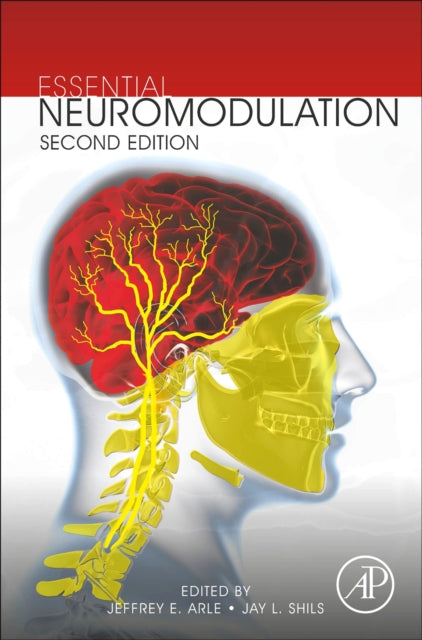
Essential Neuromodulation
Essential Neuromodulation
💎 Earn 626 Points (£6.26) on this item.
YOU SAVE £11.64
- Condition: Brand new
- UK Delivery times: Usually arrives within 2 - 3 working days
- UK Shipping: Fee starts at £2.39. Subject to product weight & dimension
Bulk ordering. Want 15 or more copies? Get a personalised quote and bigger discounts. Learn more about bulk orders.
Couldn't load pickup availability
- More about Essential Neuromodulation
Essential Neuromodulation, Second Edition is a comprehensive and up-to-date reference book on neuromodulation, covering key principles, clinical phases, and advancements since 2011. It is essential for neurosurgeons, neurophysiologists, bioengineers, and clinical practitioners.
Format: Hardback
Length: 506 pages
Publication date: 15 June 2022
Publisher: Elsevier Science Publishing Co Inc
Essential Neuromodulation, Second Edition is a comprehensive and accessible reference that provides a thorough overview of the fundamental principles of neuromodulation in a single affordable volume. Designed for neuroscientists, residents, fellows, bioengineers, and basic clinical practitioners, this second edition has been extensively updated to reflect the latest advancements in the field since 2011.
The book emphasizes key observations from all critical clinical phases involved in neuromodulation, including targeting, intraoperative assessment, programming, complications, and complication avoidance. Given the dynamic and rapidly evolving nature of neuromodulation, this information is of utmost importance for neurosurgeons, neurophysiologists, bioengineers, and other proceduralists.
Chapter 1 provides an introduction to neuromodulation, covering its historical background, basic principles, and applications. It discusses the different types of neuromodulation techniques, such as electrical stimulation, magnetic stimulation, and chemical modulation, and their mechanisms of action. The chapter also highlights the importance of understanding the nervous system's anatomy and physiology to effectively apply neuromodulation therapies.
Chapter 2 explores the targeting of neuromodulation therapies, emphasizing the importance of accurately identifying the target tissue and the optimal stimulation parameters to achieve desired effects. It discusses the use of imaging techniques, such as functional magnetic resonance imaging (fMRI) and electroencephalography (EEG), to guide targeting and assess the efficacy of neuromodulation interventions.
Chapter 3 delves into the intraoperative assessment of neuromodulation therapies, discussing the techniques and tools used to evaluate the effects of stimulation on neural activity. It includes a detailed description of electrophysiological recordings, such as single-unit recordings and electroencephalography (EEG), and their interpretation in the context of neuromodulation. The chapter also discusses the use of intraoperative imaging techniques, such as ultrasound and magnetic resonance imaging (MRI), to visualize the target tissue and monitor the effects of stimulation.
Chapter 4 focuses on programming neuromodulation devices, discussing the various programming strategies and algorithms used to achieve desired effects. It covers the use of closed-loop systems, which allow for real-time adjustment of stimulation parameters based on patient feedback, and the development of personalized neuromodulation protocols. The chapter also discusses the safety and efficacy of programming neuromodulation devices and the potential complications associated with programming errors.
Chapter 5 explores the complications and complication avoidance of neuromodulation therapies. It discusses the common complications associated with neuromodulation interventions, such as device infections, lead migration, and neurologic deficits, and the strategies used to minimize these risks. The chapter also highlights the importance of patient education and follow-up to ensure optimal outcomes and address any concerns that may arise.
Chapter 6 discusses the future of neuromodulation, including emerging technologies, such as brain-computer interfaces and non-invasive neuromodulation techniques, and their potential applications in clinical practice. It also explores the ethical and regulatory considerations associated with neuromodulation therapies and the need for ongoing research and development to improve the efficacy and safety of these interventions.
In conclusion, Essential Neuromodulation, Second Edition is a valuable resource for neuroscientists, residents, fellows, bioengineers, and basic clinical practitioners seeking to understand the fundamentals of neuromodulation. With its comprehensive coverage of targeting, intraoperative assessment, programming, complications, and complication avoidance, the book provides a solid foundation for advancing knowledge and expertise in this exciting and rapidly advancing field.
Dimension: 229 x 152 (mm)
ISBN-13: 9780128170007
Edition number: 2 ed
This item can be found in:
UK and International shipping information
UK and International shipping information
UK Delivery and returns information:
- Delivery within 2 - 3 days when ordering in the UK.
- Shipping fee for UK customers from £2.39. Fully tracked shipping service available.
- Returns policy: Return within 30 days of receipt for full refund.
International deliveries:
Shulph Ink now ships to Australia, Belgium, Canada, France, Germany, Ireland, Italy, India, Luxembourg Saudi Arabia, Singapore, Spain, Netherlands, New Zealand, United Arab Emirates, United States of America.
- Delivery times: within 5 - 10 days for international orders.
- Shipping fee: charges vary for overseas orders. Only tracked services are available for most international orders. Some countries have untracked shipping options.
- Customs charges: If ordering to addresses outside the United Kingdom, you may or may not incur additional customs and duties fees during local delivery.