Shulph Ink
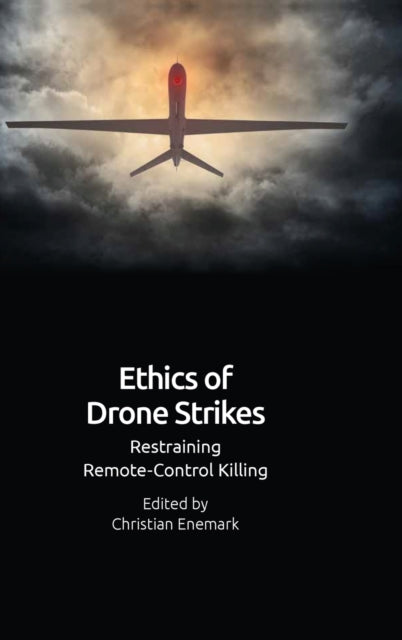
Ethics of Drone Violence: Restraining Remote-Control Killing
Ethics of Drone Violence: Restraining Remote-Control Killing
YOU SAVE £25.90
- Condition: Brand new
- UK Delivery times: Usually arrives within 2 - 3 working days
- UK Shipping: Fee starts at £3.89. Subject to product weight & dimension
Bulk ordering. Want 15 or more copies? Get a personalised quote and bigger discounts. Learn more about bulk orders.
Couldn't load pickup availability
- More about Ethics of Drone Violence: Restraining Remote-Control Killing
The use of drones for violent purposes is increasing globally, raising questions about the moral status of remote-control killing and the need for restrictions.
Format: Hardback
Length: 256 pages
Publication date: 31 January 2021
Publisher: Edinburgh University Press
The use of armed, unmanned aircraft (drones) is on the rise globally, yet there remains uncertainty surrounding the moral status of remote-control killing and the rationale behind its regulation. This phenomenon raises profound ethical questions about the responsibility and accountability of individuals and governments in the employment of drone technology for military and civilian purposes.
The increasing prevalence of drone use raises concerns about the potential for indiscriminate targeting and the violation of human rights. The use of drones in targeted strikes against suspected terrorists or other combatants raises questions about the legality, proportionality, and effectiveness of such actions. There are also concerns about the potential for civilian casualties and the long-term psychological impact on communities affected by drone strikes.
Furthermore, the use of drones for surveillance and intelligence-gathering raises questions about privacy and civil liberties. The widespread deployment of drones has the potential to monitor and collect vast amounts of personal data, raising concerns about the potential for privacy violations and the abuse of surveillance powers.
In response to these concerns, there have been calls for stricter regulations and oversight of drone use. Some argue that the use of drones should be limited to specific military operations and that civilian use should be strictly prohibited. Others advocate for more transparent and accountable drone use, including measures to prevent collateral damage and minimize the risk of civilian casualties.
The debate over the moral status of remote-control killing and the need for regulation is likely to continue for years to come. As drone technology continues to advance and its applications expand, it is essential to address these ethical concerns and ensure that drone use is conducted in a responsible and ethical manner.
The use of armed, unmanned aircraft (drones) is on the rise globally, yet there remains uncertainty surrounding the moral status of remote-control killing and the rationale behind its regulation. This phenomenon raises profound ethical questions about the responsibility and accountability of individuals and governments in the employment of drone technology for military and civilian purposes.
The increasing prevalence of drone use raises concerns about the potential for indiscriminate targeting and the violation of human rights. The use of drones in targeted strikes against suspected terrorists or other combatants raises questions about the legality, proportionality, and effectiveness of such actions. There are also concerns about the potential for civilian casualties and the long-term psychological impact on communities affected by drone strikes.
Furthermore, the use of drones for surveillance and intelligence-gathering raises questions about privacy and civil liberties. The widespread deployment of drones has the potential to monitor and collect vast amounts of personal data, raising concerns about the potential for privacy violations and the abuse of surveillance powers.
In response to these concerns, there have been calls for stricter regulations and oversight of drone use. Some argue that the use of drones should be limited to specific military operations and that civilian use should be strictly prohibited. Others advocate for more transparent and accountable drone use, including measures to prevent collateral damage and minimize the risk of civilian casualties.
The debate over the moral status of remote-control killing and the need for regulation is likely to continue for years to come. As drone technology continues to advance and its applications expand, it is essential to address these ethical concerns and ensure that drone use is conducted in a responsible and ethical manner.
The use of armed, unmanned aircraft (drones) is on the rise globally, yet there remains uncertainty surrounding the moral status of remote-control killing and the rationale behind its regulation. This phenomenon raises profound ethical questions about the responsibility and accountability of individuals and governments in the employment of drone technology for military and civilian purposes.
The increasing prevalence of drone use raises concerns about the potential for indiscriminate targeting and the violation of human rights. The use of drones in targeted strikes against suspected terrorists or other combatants raises questions about the legality, proportionality, and effectiveness of such actions. There are also concerns about the potential for civilian casualties and the long-term psychological impact on communities affected by drone strikes.
Furthermore, the use of drones for surveillance and intelligence-gathering raises questions about privacy and civil liberties. The widespread deployment of drones has the potential to monitor and collect vast amounts of personal data, raising concerns about the potential for privacy violations and the abuse of surveillance powers.
In response to these concerns, there have been calls for stricter regulations and oversight of drone use. Some argue that the use of drones should be limited to specific military operations and that civilian use should be strictly prohibited. Others advocate for more transparent and accountable drone use, including measures to prevent collateral damage and minimize the risk of civilian casualties.
The debate over the moral status of remote-control killing and the need for regulation is likely to continue for years to come. As drone technology continues to advance and its applications expand, it is essential to address these ethical concerns and ensure that drone use is conducted in a responsible and ethical manner.
The use of armed, unmanned aircraft (drones) is on the rise globally, yet there remains uncertainty surrounding the moral status of remote-control killing and the rationale behind its regulation. This phenomenon raises profound ethical questions about the responsibility and accountability of individuals and governments in the employment of drone technology for military and civilian purposes.
The increasing prevalence of drone use raises concerns about the potential for indiscriminate targeting and the violation of human rights. The use of drones in targeted strikes against suspected terrorists or other combatants raises questions about the legality, proportionality, and effectiveness of such actions. There are also concerns about the potential for civilian casualties and the long-term psychological impact on communities affected by drone strikes.
Furthermore, the use of drones for surveillance and intelligence-gathering raises questions about privacy and civil liberties. The widespread deployment of drones has the potential to monitor and collect vast amounts of personal data, raising concerns about the potential for privacy violations and the abuse of surveillance powers.
In response to these concerns, there have been calls for stricter regulations and oversight of drone use. Some argue that the use of drones should be limited to specific military operations and that civilian use should be strictly prohibited. Others advocate for more transparent and accountable drone use, including measures to prevent collateral damage and minimize the risk of civilian casualties.
The debate over the moral status of remote-control killing and the need for regulation is likely to continue for years to come. As drone technology continues to advance and its applications expand, it is essential to address these ethical concerns and ensure that drone use is conducted in a responsible and ethical manner.
The use of armed, unmanned aircraft (drones) is on the rise globally, yet there remains uncertainty surrounding the moral status of remote-control killing and the rationale behind its regulation. This phenomenon raises profound ethical questions about the responsibility and accountability of individuals and governments in the employment of drone technology for military and civilian purposes.
The increasing prevalence of drone use raises concerns about the potential for indiscriminate targeting and the violation of human rights. The use of drones in targeted strikes against suspected terrorists or other combatants raises questions about the legality, proportionality, and effectiveness of such actions. There are also concerns about the potential for civilian casualties and the long-term psychological impact on communities affected by drone strikes.
Furthermore, the use of drones for surveillance and intelligence-gathering raises questions about privacy and civil liberties. The widespread deployment of drones has the potential to monitor and collect vast amounts of personal data, raising concerns about the potential for privacy violations and the abuse of surveillance powers.
In response to these concerns, there have been calls for stricter regulations and oversight of drone use. Some argue that the use of drones should be limited to specific military operations and that civilian use should be strictly prohibited. Others advocate for more transparent and accountable drone use, including measures to prevent collateral damage and minimize the risk of civilian casualties.
The debate over the moral status of remote-control killing and the need for regulation is likely to continue for years to come. As drone technology continues to advance and its applications expand, it is essential to address these ethical concerns and ensure that drone use is conducted in a responsible and ethical manner.
The use of armed, unmanned aircraft (drones) is on the rise globally, yet there remains uncertainty surrounding the moral status of remote-control killing and the rationale behind its regulation. This phenomenon raises profound ethical questions about the responsibility and accountability of individuals and governments in the employment of drone technology for military and civilian purposes.
The increasing prevalence of drone use raises concerns about the potential for indiscriminate targeting and the violation of human rights. The use of drones in targeted strikes against suspected terrorists or other combatants raises questions about the legality, proportionality, and effectiveness of such actions. There are also concerns about the potential for civilian casualties and the long-term psychological impact on communities affected by drone strikes.
Furthermore, the use of drones for surveillance and intelligence-gathering raises questions about privacy and civil liberties. The widespread deployment of drones has the potential to monitor and collect vast amounts of personal data, raising concerns about the potential for privacy violations and the abuse of surveillance powers.
In response to these concerns, there have been calls for stricter regulations and oversight of drone use. Some argue that the use of drones should be limited to specific military operations and that civilian use should be strictly prohibited. Others advocate for more transparent and accountable drone use, including measures to prevent collateral damage and minimize the risk of civilian casualties.
The debate over the moral status of remote-control killing and the need for regulation is likely to continue for years to come. As drone technology continues to advance and its applications expand, it is essential to address these ethical concerns and ensure that drone use is conducted in a responsible and ethical manner.
The use of armed, unmanned aircraft (drones) is on the rise globally, yet there remains uncertainty surrounding the moral status of remote-control killing and the rationale behind its regulation. This phenomenon raises profound ethical questions about the responsibility and accountability of individuals and governments in the employment of drone technology for military and civilian purposes.
The increasing prevalence of drone use raises concerns about the potential for indiscriminate targeting and the violation of human rights. The use of drones in targeted strikes against suspected terrorists or other combatants raises questions about the legality, proportionality, and effectiveness of such actions. There are also concerns about the potential for civilian casualties and the long-term psychological impact on communities affected by drone strikes.
Furthermore, the use of drones for surveillance and intelligence-gathering raises questions about privacy and civil liberties. The widespread deployment of drones has the potential to monitor and collect vast amounts of personal data, raising concerns about the potential for privacy violations and the abuse of surveillance powers.
In response to these concerns, there have been calls for stricter regulations and oversight of drone use. Some argue that the use of drones should be limited to specific military operations and that civilian use should be strictly prohibited. Others advocate for more transparent and accountable drone use, including measures to prevent collateral damage and minimize the risk of civilian casualties.
The debate over the moral status of remote-control killing and the need for regulation is likely to continue for years to come. As drone technology continues to advance and its applications expand, it is essential to address these ethical concerns and ensure that drone use is conducted in a responsible and ethical manner.
Weight: 468g
Dimension: 162 x 240 x 21 (mm)
ISBN-13: 9781474483575
UK and International shipping information
UK and International shipping information
We deliver throughout the United Kingdom and to 128 countries and territories worldwide, including the United States, Australia, Canada, Germany, Spain and France.