Shulph Ink
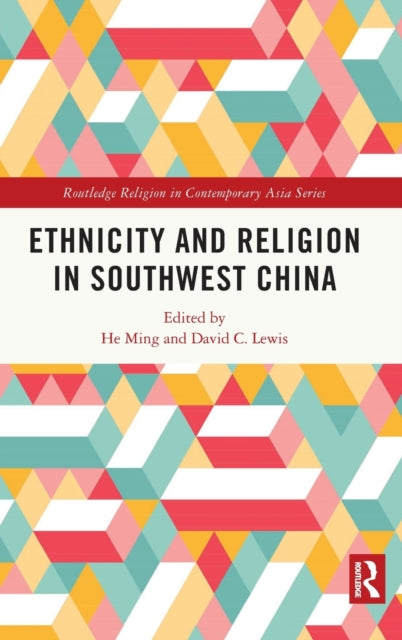
Ethnicity and Religion in Southwest China
Ethnicity and Religion in Southwest China
We can order this item for you. Delivery usually takes about 4 to 6 weeks.
This item is not held in our immediate stock. We will order it for you after checkout.
Estimated delivery: About 4 to 6 weeks
YOU SAVE £15.13
- Condition: Brand new
- UK Delivery times: Usually arrives within 2 - 3 working days
- UK Shipping: Fee starts at £3.89. Subject to product weight & dimension
Bulk ordering. Want 15 or more copies? Get a personalised quote and bigger discounts. Learn more about bulk orders.
Couldn't load pickup availability
- More about Ethnicity and Religion in Southwest China
This book explores the indigenous peoples of Yunnan province, a major gateway between China and south and southeast Asia, from a Chinese perspective.
Format: Hardback
Length: 182 pages
Publication date: 23 December 2020
Publisher: Taylor & Francis Ltd
As China strengthens its connections with its neighboring countries through its Belt and Road initiative, there is a growing interest in the indigenous peoples of China's western and southwestern borderlands. This comprehensive book, based on extensive original research, delves into the indigenous communities of Yunnan province, which serves as a vital gateway between China and the countries of south and southeast Asia. Unlike many other books on China's indigenous peoples, which are written by foreigners who have resided in China for a while, this book is entirely composed of the work of Chinese scholars, many of whom are members of ethnic minorities themselves. By adopting a Chinese perspective, it offers a unique and insightful exploration of the issues and challenges faced by these communities.
The indigenous peoples of Yunnan province, located in southwest China, have a rich and diverse history that spans thousands of years. They comprise a multitude of ethnic groups, each with its own unique traditions, languages, and customs. The province is home to a wide range of ecosystems, including mountains, forests, rivers, and grasslands, providing a habitat for a diverse range of plant and animal species.
One of the key challenges facing the indigenous peoples of Yunnan is the impact of economic development and globalization. As China's economy continues to grow, there has been a significant influx of foreign investment and infrastructure projects in the province. These projects have brought about economic benefits, but they have also led to environmental degradation, displacement of indigenous communities, and cultural erosion.
Another challenge is the lack of political representation and rights recognition for indigenous peoples. Despite their historical and cultural significance, many indigenous communities in Yunnan continue to face discrimination and marginalization at the hands of the state and local authorities. They lack access to basic services such as healthcare, education, and land rights, and their voices are often ignored in decision-making processes that affect their lives and livelihoods.
To address these challenges, there have been efforts by both the Chinese government and indigenous communities themselves to promote sustainable development and protect the rights and livelihoods of indigenous peoples. The Chinese government has implemented policies and programs aimed at promoting ethnic harmony, protecting cultural heritage, and promoting sustainable development. These include the establishment of protected areas, the promotion of indigenous languages and cultures, and the implementation of policies that prioritize the conservation of natural resources and the environment.
In addition, indigenous communities in Yunnan have been actively engaged in promoting their own rights and livelihoods. They have formed organizations and networks to advocate for their interests and to seek legal and political recognition. They have also been involved in sustainable development projects, such as renewable energy development and ecotourism, that provide economic opportunities while preserving their cultural heritage and traditional ways of life.
Despite these efforts, there are still challenges that need to be addressed. One of the biggest challenges is the lack of education and awareness about the rights and livelihoods of indigenous peoples. Many indigenous communities in Yunnan lack access to education, and they are often unaware of their legal rights and the mechanisms available to protect them. This lack of knowledge and awareness can lead to exploitation and discrimination, and it can also hinder their ability to participate in decision-making processes that affect their lives and livelihoods.
Another challenge is the lack of infrastructure and resources in many indigenous communities. Many indigenous communities live in remote areas, and they lack access to basic services such as healthcare, transportation, and electricity. This can make it difficult for them to participate in economic development and to access the resources and opportunities that are available to other communities.
To address these challenges, there is a need for continued efforts by both the Chinese government and indigenous communities themselves. The Chinese government should continue to implement policies and programs that promote sustainable development and protect the rights and livelihoods of indigenous peoples. It should also increase its investment in education and awareness-raising programs to promote the rights and livelihoods of indigenous peoples.
At the same time, indigenous communities should continue to advocate for their own rights and livelihoods. They should work together to develop sustainable development projects that benefit their communities and the environment, and they should seek legal and political recognition for their rights and interests. They should also build their own capacity to participate in decision-making processes that affect their lives and livelihoods.
In conclusion, the indigenous peoples of Yunnan province face a range of challenges, including economic development, globalization, and lack of political representation and rights recognition. However, there are also efforts by both the Chinese government and indigenous communities themselves to promote sustainable development and protect the rights and livelihoods of indigenous peoples. By continuing to work together, it is possible to build a more inclusive and sustainable future for these communities and for the broader society.
Weight: 452g
Dimension: 161 x 241 x 19 (mm)
ISBN-13: 9780367474171
UK and International shipping information
UK and International shipping information
We deliver throughout the United Kingdom and to 128 countries and territories worldwide, including the United States, Australia, Canada, Germany, Spain and France.