D.G. Conway
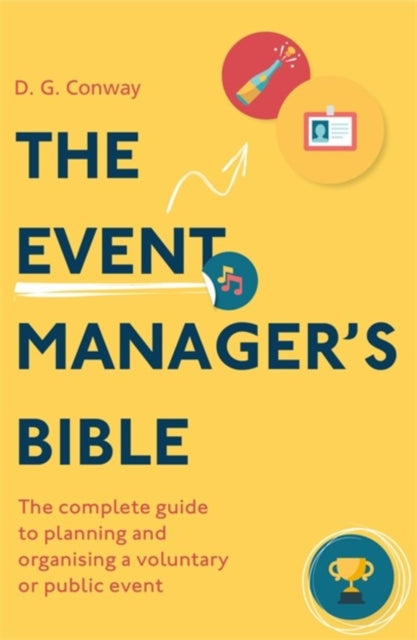
Event Manager's Bible 3rd Edition: The Complete Guide to Planning and Organising a Voluntary or Public Event
Event Manager's Bible 3rd Edition: The Complete Guide to Planning and Organising a Voluntary or Public Event
💎 Earn 60 Points (£0.60) on this item.
YOU SAVE £4.97
- Condition: Brand new
- UK Delivery times: Usually arrives within 2 - 3 working days
- UK Shipping: Fee starts at £3.89. Subject to product weight & dimension
Bulk ordering. Want 15 or more copies? Get a personalised quote and bigger discounts. Learn more about bulk orders.
Couldn't load pickup availability
- More about Event Manager's Bible 3rd Edition: The Complete Guide to Planning and Organising a Voluntary or Public Event
This book is a comprehensive guide to planning, organizing, managing, and delivering events of all sizes, including voluntary and public events. It covers topics such as research, planning, health and safety, audience size, advertising, event attractions, event requirements, accommodation, and services, traffic management, signage, permissions, parking, radio communications, staffing, first aid, security, insurance, emergency and normal procedures, formal presentation, event manager's manual, money, accounts, video diary/evidence, setting up, site maintenance, strip down/clear up, final debrief, and final report.
\n Format: Paperback / softback
\n Length: 336 pages
\n Publication date: 24 January 2019
\n Publisher: Little, Brown Book Group
\n
The comprehensive guide to planning, organizing, managing, and delivering events of all sizes
Anyone tasked with organizing a voluntary or public event must prioritize safety and excellence, ensuring compliance with various laws and regulations that pertain to different aspects of their event. This invaluable book serves as a comprehensive resource for researching, planning, organizing, managing, and delivering any event, match, show, tournament, or function that will attract more than a handful of attendees. Whether you are overseeing a gymkhana, fete, fun run, steam fair, half marathon, carnival, school sports day, jumble sale, tennis tournament, car boot sale, model aircraft show, or even a massive pop festival or Formula 1 car race, the principles remain the same. As an event manager, you will be responsible for conducting thorough research, developing a comprehensive plan, liaising with authorities, obtaining necessary permissions and licenses, adhering to legal requirements, and ultimately delivering the event to the public.
Contents:
1. Introduction:
This section provides an overview of the book and its purpose. It introduces the event manager and outlines the key objectives of the event.
2. The Event Manager:
This chapter delves into the role of the event manager and highlights their responsibilities. It emphasizes the importance of effective planning, communication, and collaboration in achieving event success.
3. The Event Objective:
This section defines the event's objective and sets clear goals and expectations. It helps the event manager align their efforts and ensures that the event meets its intended purpose.
4. Planning the Event:
This chapter guides the event manager through the planning process, covering essential elements such as budgeting, venue selection, event timeline, and logistics. It provides practical tips and techniques for effective planning.
5. Health & Safety:
Health and safety are paramount considerations in event management. This chapter discusses the importance of risk assessment, implementing safety measures, and ensuring the well-being of attendees. It also covers legal requirements and compliance with health and safety regulations.
6. Type of Event:
Understanding the type of event is crucial in determining the appropriate planning and management strategies. This chapter explores different types of events, including sports events, festivals, conferences, and exhibitions, and provides guidance on how to tailor the event to meet specific requirements.
7. When to Run the Event:
Choosing the right time to run an event is essential for maximizing attendance and engagement. This chapter discusses factors such as seasonality, market demand, and competitor activities to help the event manager make an informed decision.
8. Defining Your Target Audience:
Understanding your target audience is vital in creating an event that resonates with them. This chapter covers audience segmentation, targeting, and marketing strategies to attract the right attendees and achieve event success.
9. Audience Size:
Determining the appropriate audience size is crucial in ensuring the event's financial viability and success. This chapter discusses factors such as ticket prices, venue capacity, and marketing efforts to attract the desired audience.
10. Advertising:
Effective advertising is essential in promoting an event and attracting attendees. This chapter covers various advertising channels, including social media, print media, and traditional advertising, and provides tips on creating compelling advertising campaigns.
11. Event Attractions:
Creating compelling event attractions is crucial in attracting attendees and creating a memorable experience. This chapter discusses event attractions such as live performances, interactive exhibits, and food and beverage options, and provides guidance on how to select and manage them effectively.
12. Event Requirements:
Various requirements must be met to ensure the success of an event. This chapter covers event requirements such as permits, licenses, insurance, and security measures, and provides guidance on how to obtain and manage them effectively.
13. Accommodation and Services:
Providing adequate accommodation and services is essential for the comfort and satisfaction of attendees. This chapter discusses accommodation options, catering services, and event support services, and provides tips on selecting and managing them effectively.
14. Event Site:
The event site plays a crucial role in the success of the event. This chapter covers site selection, layout, and design, and provides guidance on how to create a welcoming and functional event space.
15. Traffic Management:
Effective traffic management is essential for ensuring the safety and convenience of attendees. This chapter discusses traffic control strategies, parking arrangements, and transportation options, and provides tips on managing traffic flow effectively.
16. Sign Posting:
Clear and informative signage is essential for guiding attendees and preventing confusion. This chapter covers sign posting strategies, including directional signage, wayfinding signage, and event information signage, and provides tips on creating effective signage.
17. Permissions:
Obtaining necessary permissions and licenses is a legal requirement for running an event. This chapter discusses the process of obtaining permissions, including contacting relevant authorities, and provides guidance on compliance with legal requirements.
18. Car Parking:
Proper car parking arrangements are essential for the convenience of attendees and reducing traffic congestion. This chapter covers car parking options, including on-site parking, off-site parking, and valet parking, and provides tips on managing car parking effectively.
19. Radio Communications:
Radio communications are essential for maintaining communication and coordination among event staff and attendees. This chapter covers radio communication systems, procedures, and protocols, and provides tips on effective communication and coordination.
20. Staffing:
Effective staffing is crucial for the success of an event. This chapter discusses staffing requirements, including event staff, volunteers, and contractors, and provides guidance on selecting, training, and managing staff effectively.
21. First Aid:
Providing adequate first aid services is essential for the safety and well-being of attendees. This chapter covers first aid procedures, equipment, and staff training, and provides tips on ensuring the provision of timely and effective first aid.
22. Security:
Security measures are essential for protecting attendees and event assets. This chapter covers security protocols, including security staff, surveillance systems, and access control measures, and provides tips on implementing effective security measures.
23. Insurance:
Insurance is a crucial protection against potential risks and liabilities. This chapter covers insurance requirements, types of insurance, and the process of obtaining insurance, and provides tips on selecting and managing insurance effectively.
24. Emergency and Normal Procedures:
Developed emergency and normal procedures are essential for responding to emergencies and ensuring the smooth running of the event. This chapter covers emergency response plans, communication protocols, and contingency planning, and provides tips on developing and implementing effective procedures.
25. Formal Presentation:
A formal presentation is an opportunity to showcase the event and its highlights to attendees and stakeholders. This chapter covers formal presentation strategies, including slide design, presentation skills, and audience engagement, and provides tips on delivering a compelling and memorable presentation.
26. Event Manager's Manual:
This section provides a comprehensive manual for event managers, covering all aspects of event management. It includes checklists, templates, and resources to assist event managers in planning, organizing, managing, and delivering successful events.
27. Money:
Managing money is a critical aspect of event management. This chapter covers financial planning, budgeting, and cash flow management, and provides tips on effective financial management.
28. Accounts:
Maintaining accurate and up-to-date accounts is essential for tracking event expenses and ensuring financial transparency. This chapter covers accounting procedures, financial reporting, and financial analysis, and provides tips on maintaining accurate and efficient financial records.
29. Video Diary/Evidence:
Video diary/evidence is a valuable tool for documenting the event and capturing valuable insights. This chapter covers video diary/evidence strategies, including recording techniques, editing, and analysis, and provides tips on capturing and leveraging valuable event data.
30. Setting Up:
The setup process is crucial for ensuring the smooth running of the event. This chapter covers setup procedures, including equipment setup, venue setup, and staff setup, and provides tips on efficient and effective setup.
31. Site Maintenance:
Site maintenance is essential for maintaining the event space and ensuring its cleanliness and safety. This chapter covers site maintenance procedures, including cleaning, trash removal, and equipment maintenance, and provides tips on maintaining a clean and safe event space.
32. Strip Down/Clear Up:
The strip down/clear up process is crucial for ensuring the timely removal of event equipment and materials. This chapter covers strip down/clear up procedures, including equipment breakdown, waste disposal, and site cleanup, and provides tips on efficient and effective strip down/clear up.
33. Final Debrief &;
The final debrief is an opportunity to reflect on the event and gather feedback from attendees and staff. This chapter covers final debrief strategies, including feedback collection, analysis, and action planning, and provides tips on capturing and leveraging valuable event feedback.
34. Final Report:
A comprehensive final report is essential for documenting the event's success and providing a record of its achievements. This chapter covers final report strategies, including report writing, presentation, and dissemination, and provides tips on creating a comprehensive and effective final report.
35. Conclusion:
The conclusion summarizes the key points discussed in the book and reinforces the importance of effective event management. It encourages event managers to continue learning, adapting, and delivering exceptional events that leave a lasting impact on attendees and stakeholders.
Annex A:
This annex provides additional resources and references for event managers, including industry associations, professional development courses, and online resources.
Annex B:
This annex provides a glossary of event management terms and concepts, which can be useful for event managers in understanding and navigating the industry.
Index:
The index provides a comprehensive list of topics covered in the book, making it easy for event managers to find specific information and guidance on their specific needs.
\n Weight: 412g\n
Dimension: 153 x 233 x 24 (mm)\n
ISBN-13: 9781472143464\n \n
UK and International shipping information
UK and International shipping information
We deliver throughout the United Kingdom and to 128 countries and territories worldwide, including the United States, Australia, Canada, Germany, Spain and France.