Shulph Ink
Examining the Impact of Industry 4.0 on Academic Libraries
Examining the Impact of Industry 4.0 on Academic Libraries
💎 Earn 352 Points (£3.52) on this item.
YOU SAVE £3.55
- Condition: Brand new
- UK Delivery times: Usually arrives within 2 - 3 working days
- UK Shipping: Fee starts at £2.39. Subject to product weight & dimension
Bulk ordering. Want 15 or more copies? Get a personalised quote and bigger discounts. Learn more about bulk orders.
Couldn't load pickup availability
- More about Examining the Impact of Industry 4.0 on Academic Libraries
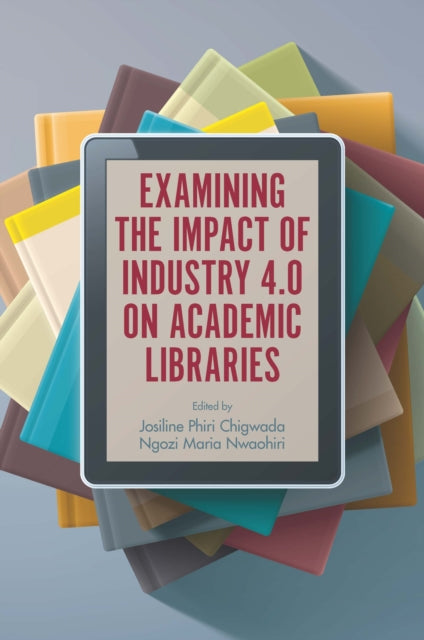
The impact of technological revolutions on the academic library is explored in this edited collection, highlighting the emerging issues brought by Industry 4.0 and investigating how libraries can adapt to these changes. The role of the Internet of Things and other emerging technologies is examined, and a road map of the future of libraries and information centers is provided.
\n Format: Hardback
\n Length: 280 pages
\n Publication date: 08 January 2021
\n Publisher: Emerald Publishing Limited
\n
The impact of technological revolutions on academic libraries is of paramount importance as the rapid acceleration of Industry 4.0 brings about significant changes in library services and operations. This edited collection showcases the emerging issues brought by the 4th industrial revolution and its effects on how libraries function, manage processes, and continue to deliver products and services on a daily basis. The contributing authors examine the role of the Internet of Things (IoT) in the academic library, identify the nature of emerging technologies, and investigate how these innovations can be used in academic libraries.
The book also delves into the readiness of libraries and library professionals to adapt to the change and new technologies brought about by Industry 4.0. It presents a comprehensive road map of the future of libraries and information centers, making it an essential read for library professionals working in service delivery and researchers interested in the nexus between academic libraries and emerging technologies.
The rapid acceleration of Industry 4.0 has brought about a transformative shift in the landscape of library services and operations. Libraries are facing a multitude of challenges, including the need to adapt to new technologies, the increasing demand for digital resources, and the changing expectations of users.
One of the most significant impacts of Industry 4.0 is the rise of the IoT. The IoT refers to the network of physical devices, vehicles, home appliances, and other objects that are connected to the internet and can communicate with each other. In the academic library context, the IoT has the potential to revolutionize the way libraries operate by providing new opportunities for automation, personalization, and efficiency.
For example, libraries can use IoT sensors to monitor the usage of books, journals, and other resources and to automate the process of ordering and restocking. This can reduce the time and effort required by library staff and improve the accuracy of inventory management. Additionally, the IoT can be used to create personalized recommendations for users based on their reading habits and preferences.
Another area where the IoT is making a significant impact is in the field of library management. Libraries can use IoT devices to monitor the physical condition of their buildings, such as temperature, humidity, and lighting, and to automate the process of heating, cooling, and lighting. This can reduce energy consumption and improve the comfort of users and staff.
In addition to the IoT, Industry 4.0 is also bringing about new technologies such as artificial intelligence (AI), blockchain, and the Internet of Things of Things (IoToT). These technologies have the potential to transform the way libraries operate by providing new tools for automation, data analysis, and user engagement.
For example, AI can be used to analyze large amounts of data and to provide personalized recommendations for users. Blockchain can be used to create secure and transparent records of transactions and to automate the process of borrowing and returning books. IoToT can be used to create smart spaces that can monitor the behavior of users and provide them with personalized recommendations and services.
However, the impact of these new technologies on academic libraries is not without its challenges. Libraries must invest in the necessary infrastructure and training to adopt these technologies and must be prepared to deal with the potential risks associated with them. For example, the use of AI and blockchain can raise concerns about privacy and security, while IoToT can create new challenges for managing and maintaining the infrastructure.
Despite these challenges, the future of academic libraries is bright. Libraries that are able to adapt to the change and new technologies brought about by Industry 4.0 will be able to provide better services to their users, improve their efficiency, and remain relevant in an increasingly digital world.
In conclusion, the impact of technological revolutions on academic libraries is of paramount importance. The rapid acceleration of Industry 4.0 has brought about significant changes in the way
The impact of technological revolutions on academic libraries is of paramount importance. The rapid acceleration of Industry 4.0 has brought about significant changes in the landscape of library services and operations. Libraries are facing a multitude of challenges, including the need to adapt to new technologies, the increasing demand for digital resources, and the changing expectations of users.
One of the most significant impacts of Industry 4.0 is the rise
The impact of technological revolutions on academic libraries is of paramount importance. The rapid acceleration of Industry 4.0 has brought about significant changes in the landscape of library services and operations. Libraries are facing a multitude of challenges, including the need to adapt to new technologies, the increasing demand for digital resources, and the changing expectations of users.
One of the most significant impacts of Industry 4.0 is the rise of the IoT. The IoT refers to the network of physical devices, vehicles, home appliances, and other objects that are connected to the internet and can communicate with each other. In the academic library context, the IoT has the potential to revolutionize the way.
The IoT refers to the network of physical devices, vehicles, home appliances, and other objects that are connected to the internet and can communicate with each other. In the academic library context, the IoT has the potential to revolutionize the way libraries operate by providing new opportunities for automation, personalization, and efficiency.
For example, libraries can use IoT sensors to monitor the usage of books, journals, and other resources and to automate the process of ordering and restocking. This can reduce the time and effort required by library staff and improve the accuracy of inventory management. Additionally, the IoT can be used to create personalized recommendations for users based on their reading habits and preferences.
Another area where the IoT is making a significant impact is in the field of library management. Libraries can use IoT devices to monitor the physical condition of their buildings, such as temperature, humidity, and lighting, and to automate the process of heating, cooling, and lighting. This can reduce energy consumption and improve the comfort of users and staff.
In addition to the IoT, Industry 4.0 is also bringing about new technologies such as artificial intelligence (AI), blockchain, and the Internet of Things of Things (IoToT). These technologies have the potential to transform the way libraries operate by providing new tools for automation, data analysis, and user engagement.
For example, AI can be used to analyze large amounts of data and to provide personalized recommendations for users. Blockchain can be used to create secure and transparent records of transactions and to automate the process of borrowing and returning books. IoToT can be used to create smart spaces that can monitor the behavior of users and provide them with personalized recommendations and services.
However, the impact of these new technologies on academic libraries is not without its challenges. Libraries must invest in the necessary infrastructure and training to adopt these technologies and must be prepared to deal with the potential risks associated with them. For example, the use of AI and blockchain can raise concerns about privacy and security, while IoToT can create new challenges for managing and maintaining the infrastructure.
Despite these challenges, the future of academic libraries is bright. Libraries that are able to adapt to the change and new technologies brought about by Industry 4.0 will be able to provide better services to their users, improve their efficiency, and remain relevant in an increasingly digital world.
In conclusion, the impact of technological revolutions on academic libraries is of paramount importance. The rapid acceleration of Industry 4.0 has brought about significant changes in the landscape of library services and operations. Libraries are facing a multitude of challenges, including the need to adapt to new technologies, the increasing demand for digital resources, and the changing expectations of users.
One of the most significant impacts of Industry 4.0 is the rise.
The impact of technological revolutions on academic libraries is of paramount importance. The rapid acceleration of Industry 4.0 has brought about significant changes in the landscape of library services and operations. Libraries are facing a multitude of challenges, including the need to adapt to new technologies, the increasing demand for digital resources, and the changing expectations of users.
One of the most significant impacts of Industry 4.0 is the rise of the IoT. The IoT refers to the network of physical devices, vehicles, home appliances, and other objects that are connected to the internet and can communicate with each other. In the academic library context, the IoT has the potential to revolutionize the way libraries operate by providing new opportunities for automation, personalization, and efficiency.
For example, libraries can use IoT sensors to monitor the usage of books, journals, and other resources and to automate the process of ordering and restocking. This can reduce the time and effort required by library staff and improve the accuracy of inventory management. Additionally, the IoT can be used to create personalized recommendations for users based on their reading habits and preferences.
Another area where the IoT is making a significant impact is in the field of library management. Libraries can use IoT devices to monitor the physical condition of their buildings, such as temperature, humidity, and lighting, and to automate the process of heating, cooling, and lighting. This can reduce energy consumption and improve the comfort of users and staff.
In addition to the IoT, Industry 4.0 is also bringing about new technologies such as artificial intelligence (AI), blockchain, and the Internet of Things of Things (IoToT). These technologies have the potential to transform the way libraries operate by providing new tools for automation, data analysis, and user engagement.
For example, AI can be used to analyze large amounts of data and to provide personalized recommendations for users. Blockchain can be used to create secure and transparent records of transactions and to automate the process of borrowing and returning books. IoToT can be used to create smart spaces that can monitor the behavior of users and provide them with personalized recommendations and services.
However, the impact of these new technologies on academic libraries is not without its challenges. Libraries must invest in the necessary infrastructure and training to adopt these technologies and must be prepared to deal with the potential risks associated with them. For example, the use of AI and blockchain can raise concerns about privacy and security, while IoToT can create new challenges for managing and maintaining the infrastructure.
Despite these challenges, the future of academic libraries is bright. Libraries that are able to adapt to the change and new technologies brought about by Industry 4.0 will be able to provide better services to their users, improve their efficiency, and remain relevant in an increasingly digital world.
In conclusion, the impact of technological revolutions on academic libraries is of paramount importance. The rapid acceleration of Industry 4.0 has brought about significant changes in the landscape of library services and operations. Libraries are facing a multitude of challenges, including the need to adapt to new technologies, the increasing demand for digital resources, and the changing expectations of users.
One of the most significant impacts of Industry 4.0 is the rise of the IoT. The IoT refers to the network of physical devices, vehicles, home appliances, and other objects that are connected to the internet and can communicate with each other. In the academic library context, the IoT has the potential to revolutionize the way libraries operate by providing new opportunities for automation, personalization, and efficiency.
For example, libraries can use IoT sensors to monitor the usage of books, journals, and other resources and to automate the process of ordering and restocking. This can reduce the time and effort required by library staff and improve the accuracy of inventory management. Additionally, the IoT can be used to create personalized recommendations for users based on their reading habits and preferences.
Another area where the IoT is making a significant impact is in the field of library management. Libraries can use IoT devices to monitor the physical condition of their buildings, such as temperature, humidity, and lighting, and to automate the process of heating, cooling, and lighting. This can reduce energy consumption and improve the comfort of users and staff.
In addition to the IoT, Industry 4.0 is also bringing about new technologies such as artificial intelligence (AI), blockchain, and the Internet of Things of Things (IoToT). These technologies have the potential to transform the way libraries operate by providing new tools for automation, data analysis, and user engagement.
For example, AI can be used to analyze large amounts of data and to provide personalized recommendations for users. Blockchain can be used to create secure and transparent records of transactions and to automate the process of borrowing and returning books. IoToT can be used to create smart spaces that can monitor the behavior of users and provide them with personalized recommendations and services.
However, the impact of these new technologies on academic libraries is not without its challenges. Libraries must invest in the necessary infrastructure and training to adopt these technologies and must be prepared to deal with the potential risks associated with them. For example, the use of AI and blockchain can raise concerns about privacy and security, while IoToT can create new challenges for managing and maintaining the infrastructure.
Despite these challenges, the future of academic libraries is bright. Libraries that are able to adapt to the change and new technologies brought about by Industry 4.0 will be able to provide better services to their users, improve their efficiency, and remain relevant in an increasingly digital world.
In conclusion, the impact of technological revolutions on academic libraries is of paramount importance. The rapid acceleration of Industry 4.0 has brought about significant changes in the landscape of library services and operations. Libraries are facing a multitude of challenges, including the need to adapt to new technologies, the increasing demand for digital resources, and the changing expectations of users.
One of the most significant impacts of Industry 4.0 is the rise of the IoT. The IoT refers to the network of physical devices, vehicles, home appliances, and other objects that are connected to the internet and can communicate with each other. In the academic library context, the IoT has the potential to revolutionize the way libraries operate by providing new opportunities for automation, personalization, and efficiency.
For example, libraries can use IoT sensors to monitor the usage of books, journals, and other resources and to automate the process of ordering and restocking. This can reduce the time and effort required by library staff and improve the accuracy of inventory management. Additionally, the IoT can be used to create personalized recommendations for users based on their reading habits and preferences.
Another area where the IoT is making a significant impact is in the field of library management. Libraries can use IoT devices to monitor the physical condition of their buildings, such as temperature, humidity, and lighting, and to automate the process of heating, cooling, and lighting. This can reduce energy consumption and improve the comfort of users and staff.
In addition to the IoT, Industry 4.0 is also bringing about new technologies such as artificial intelligence (AI), blockchain, and the Internet of Things of Things (IoToT). These technologies have the potential to transform the way libraries operate by providing new tools for automation, data analysis, and user engagement.
For example, AI can be used to analyze large amounts of data and to provide personalized recommendations for users. Blockchain can be used to create secure and transparent records of transactions and to automate the process of borrowing and returning books. IoToT can be used to create smart spaces that can monitor the behavior of users and provide them with personalized recommendations and services.
However, the impact of these new technologies on academic libraries is not without its challenges. Libraries must invest in the necessary infrastructure and training to adopt these technologies and must be prepared to deal with the potential risks associated with them. For example, the use of AI and blockchain can raise concerns about privacy and security, while IoToT can create new challenges for managing and maintaining the infrastructure.
Despite these challenges, the future of academic libraries is bright. Libraries that are able to adapt to the change and new technologies brought about by Industry 4.0 will be able to provide better services to their users, improve their efficiency, and remain relevant in an increasingly digital world.
\n Weight: 526g\n
Dimension: 159 x 238 x 23 (mm)\n
ISBN-13: 9781800436572\n \n
This item can be found in:
UK and International shipping information
UK and International shipping information
UK Delivery and returns information:
- Delivery within 2 - 3 days when ordering in the UK.
- Shipping fee for UK customers from £2.39. Fully tracked shipping service available.
- Returns policy: Return within 30 days of receipt for full refund.
International deliveries:
Shulph Ink now ships to Australia, Belgium, Canada, France, Germany, Ireland, Italy, India, Luxembourg Saudi Arabia, Singapore, Spain, Netherlands, New Zealand, United Arab Emirates, United States of America.
- Delivery times: within 5 - 10 days for international orders.
- Shipping fee: charges vary for overseas orders. Only tracked services are available for most international orders. Some countries have untracked shipping options.
- Customs charges: If ordering to addresses outside the United Kingdom, you may or may not incur additional customs and duties fees during local delivery.