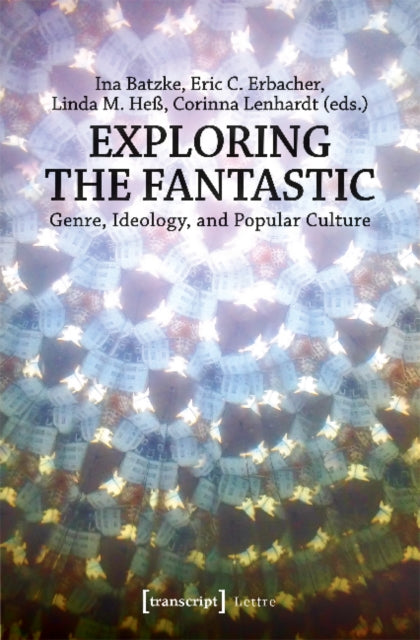
Ina Batzke,Eric C. Erbacher,Linda M. He,Corinna Lenhardt
Exploring the Fantastic - Genre, Ideology, and Popular Culture
Exploring the Fantastic - Genre, Ideology, and Popular Culture
💎 Earn 185 Points (£1.85) on this item.
YOU SAVE £7.83
- Condition: Brand new
- UK Delivery times: Usually arrives within 2 - 3 working days
- UK Shipping: Fee starts at £2.39. Subject to product weight & dimension
Bulk ordering. Want 15 or more copies? Get a personalised quote and bigger discounts. Learn more about bulk orders.
Couldn't load pickup availability
- More about Exploring the Fantastic - Genre, Ideology, and Popular Culture
The fantastic encompasses a wide range of literary, cultural, and media studies, with contributions from leading voices and junior scholars. This volume offers a mosaic of the contemporary Anglophone landscape of research, providing new insights into theory and practice.
Format: Paperback / softback
Length: 300 pages
Publication date: 08 December 2021
Publisher: Transcript Verlag
The fantastic is a vast and diverse field in literary, cultural, and media studies, encompassing some of the most influential voices in the field, such as Fred Botting and Larissa Lai, as well as exciting new perspectives from junior scholars. This comprehensive volume offers a mosaic of the fantastic in the present, showcasing a range of perspectives and approaches. The contributions in this book provide valuable insights into current developments in theory and practice by offering enlightening snapshots of the contemporary Anglophone landscape of research in the fantastic. Through their arguments and analyses, the authors offer fresh impetus to the field's theoretical and methodological approaches, textual materials, primary interests, and significant findings.
The fantastic encompasses a wide range of literary, cultural, and media phenomena, including fantasy, horror, science fiction, and superhero fiction. It explores the boundaries between reality and imagination, challenging our perceptions of what is possible and what is not. The fantastic has a rich history and has been influenced by various cultural and historical factors, including religious beliefs, political ideologies, and scientific advancements.
One of the key themes in the study of the fantastic is the exploration of the human condition. The fantastic often serves as a metaphor for the struggles and challenges that humans face in their everyday lives, such as fear, anxiety, and loneliness. It allows us to explore our fears and desires in a safe and imaginative environment, providing a means of catharsis and emotional release.
Another important theme in the study of the fantastic is the exploration of power and authority. The fantastic often portrays the struggle between good and evil, with characters facing moral dilemmas and making difficult choices. It explores the ways in which power can be abused and how individuals can resist or challenge it.
The fantastic also provides a space for the exploration of gender, race, and sexuality. It challenges traditional notions of identity and representation and offers new ways of thinking about these issues. The fantastic has been used to explore the experiences of marginalized communities, such as women, people of color, and LGBTQ+ individuals, and to promote greater understanding and acceptance of these groups.
In recent years, the study of the fantastic has expanded to include new media and digital technologies. The rise of social media and online gaming has created new opportunities for the exploration of the fantastic, as well as new challenges for researchers and scholars. The fantastic has also been influenced by the increasing popularity of science fiction and fantasy films, television shows, and books, which have brought these genres to a wider audience.
The study of the fantastic has many interdisciplinary connections, including literature, cultural studies, film and media studies, and philosophy. It draws on a range of theoretical frameworks, including psychoanalysis, feminist theory, and postcolonial theory, to analyze and interpret the fantastic.
One of the challenges of studying the fantastic is the difficulty of defining the genre. The fantastic is often difficult to define and can be interpreted in many different ways, making it challenging for researchers and scholars to come to a consensus on what constitutes the genre. This has led to a range of different approaches to the study of the fantastic, with some scholars focusing on specific subgenres or themes, while others take a more holistic approach.
Another challenge is the ethical implications of studying the fantastic. The fantastic often deals with themes of violence, horror, and exploitation, which can raise ethical questions about the ways in which we consume and interpret these genres. Researchers and scholars must carefully consider the ethical implications of their work and ensure that they are respectful and responsible in their approach.
Despite these challenges, the study of the fantastic is a vibrant and dynamic field that continues to grow and evolve. It offers a rich and diverse range of perspectives and approaches to the study of literature, culture, and media, and has the potential to make significant contributions to our understanding of the world around us.
The fantastic is a vast and diverse field in literary, cultural, and media studies, encompassing a wide range of phenomena such as fantasy, horror, science fiction, and superhero fiction. It is a genre that has been shaped by various cultural and historical factors, including religious beliefs, political ideologies, and scientific advancements. One of the key themes in the study of the fantastic is the exploration of the human condition. The fantastic often serves as a metaphor for the struggles and challenges that humans face in their everyday lives, such as fear, anxiety, and loneliness. It allows us to explore our fears and desires in a safe and imaginative environment, providing a means of catharsis and emotional release.
Another important theme in the study of the fantastic is the exploration of power and authority. The fantastic often portrays the struggle between good and evil, with characters facing moral dilemmas and making difficult choices. It explores the ways in which power can be abused and how individuals can resist or challenge it. The fantastic also provides a space for the exploration of gender, race, and sexuality. It challenges traditional notions of identity and representation and offers new ways of thinking about these issues. The fantastic has been used to explore the experiences of marginalized communities, such as women, people of color, and LGBTQ+ individuals, and to promote greater understanding and acceptance of these groups.
In recent years, the study of the fantastic has expanded to include new media and digital technologies. The rise. The rise of social media and online gaming has created new opportunities for the exploration of the fantastic, as well as new challenges for researchers and scholars. The fantastic has also been influenced by the increasing popularity of science fiction and fantasy films, television shows, and books, which have brought these genres to a wider audience.
The study of the fantastic has many interdisciplinary connections, including literature, cultural studies, film and media studies, and philosophy. It draws on a range of theoretical frameworks, including psychoanalysis, feminist theory, and postcolonial theory, to analyze and interpret the fantastic.
One of the challenges of studying the fantastic is the difficulty of defining the genre. The fantastic is often difficult to define and can be interpreted in many different ways, making it challenging for researchers and scholars to come to a consensus on what constitutes the genre. This has led to a range of different approaches to the study of the fantastic, with some scholars focusing on specific subgenres or themes, while others take a more holistic approach.
Another challenge is the ethical implications of studying the fantastic. The fantastic often deals with themes of violence, horror, and exploitation, which can raise ethical questions about the ways in which we consume and interpret these genres. Researchers and scholars must carefully consider the ethical implications of their work and ensure that they are respectful and responsible in their approach.
Despite these challenges, the study of the fantastic is a vibrant and dynamic field that continues to grow and evolve. It offers a rich and diverse range of perspectives and approaches to the study of literature, culture, and media, and has the potential to make significant contributions to our understanding of the world around us.
Weight: 420g
Dimension: 226 x 147 x 24 (mm)
ISBN-13: 9783837640274
UK and International shipping information
UK and International shipping information
UK Delivery and returns information:
- Delivery within 2 - 3 days when ordering in the UK.
- Shipping fee for UK customers from £2.39. Fully tracked shipping service available.
- Returns policy: Return within 30 days of receipt for full refund.
International deliveries:
Shulph Ink now ships to Australia, Belgium, Canada, France, Germany, Ireland, Italy, India, Luxembourg Saudi Arabia, Singapore, Spain, Netherlands, New Zealand, United Arab Emirates, United States of America.
- Delivery times: within 5 - 10 days for international orders.
- Shipping fee: charges vary for overseas orders. Only tracked services are available for most international orders. Some countries have untracked shipping options.
- Customs charges: If ordering to addresses outside the United Kingdom, you may or may not incur additional customs and duties fees during local delivery.