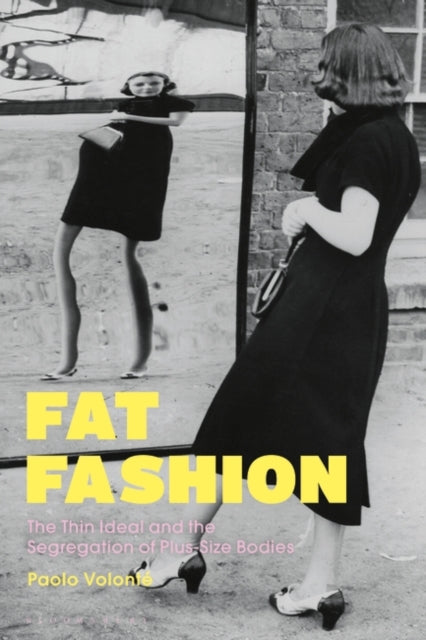
PaoloVolonte
Fat Fashion: The Thin Ideal and the Segregation of Plus-Size Bodies
Fat Fashion: The Thin Ideal and the Segregation of Plus-Size Bodies
💎 Earn 119 Points (£1.19) on this item.
YOU SAVE £3.11
- Condition: Brand new
- UK Delivery times: Usually arrives within 2 - 3 working days
- UK Shipping: Fee starts at £2.39. Subject to product weight & dimension
Bulk ordering. Want 15 or more copies? Get a personalised quote and bigger discounts. Learn more about bulk orders.
Couldn't load pickup availability
- More about Fat Fashion: The Thin Ideal and the Segregation of Plus-Size Bodies
The fashion industry is losing a significant share of the plus-size market due to the perpetuation of the thin ideal, despite evidence of its harm to women. This study explores the factors behind the thin ideal, such as the precedent of thin models, standardised sizing, and attitudes of designers and consumers towards the female body. It also considers the segregation of fat bodies in fashion and the potential future for consumers, designers, and marketers.
Format: Paperback / softback
Length: 240 pages
Publication date: 09 September 2021
Publisher: Bloomsbury Publishing PLC
The average body mass in many Western cultures is on the rise, yet the fashion system seems largely unchanged. Major fashion houses still limit their output to small sizes, and the dominant ideal of the female body in fashion imagery is still thin, dangerously thin according to World Health Organization standards. Why is the industry forfeiting a considerable share of the market in the form of plus-size consumers, seemingly against its commercial interests? Why does the thin ideal reign supreme despite damning evidence of its harm to women? And is there a way out of this system of thin ideals and segregated fat bodies?
In this original study, Paolo Volonté answers these questions and more, drawing on influential literature on the body, beauty standards, and the roles of clothing in society. He reveals some surprising factors behind the perpetuation of the thin ideal, such as the precedent of thin models and the introduction of standardized sizing for mass-manufactured clothing. He also revisits less surprising factors, such as the attitudes of designers and consumers towards the female body and notions of perfection. By critically analyzing these factors, Volonté reveals why plus-size fashion is often characterized by low aesthetic commitment and low-quality marketing. He explores the nature of the segregation of fat bodies in fashion and considers what the future may hold for consumers, designers, and marketers alike.
The average body mass in many Western cultures is on the rise, yet the fashion system seems largely unchanged. Major fashion houses still limit their output to small sizes, and the dominant ideal of the female body in fashion imagery is still thin, dangerously thin according to World Health Organization standards. Why is the industry forfeiting a considerable share of the market in the form of plus-size consumers, seemingly against its commercial interests? Why does the thin ideal reign supreme despite damning evidence of its harm to women? And is there a way out of this system of thin ideals and segregated fat bodies?
In this original study, Paolo Volonté answers these questions and more, drawing on influential literature on the body, beauty standards, and the roles of clothing in society. He reveals some surprising factors behind the perpetuation of the thin ideal, such as the precedent of thin models and the introduction of standardized sizing for mass-manufactured clothing. He also revisits less surprising factors, such as the attitudes of designers and consumers towards the female body and notions of perfection. By critically analyzing these factors, Volonté reveals why plus-size fashion is often characterized by low aesthetic commitment and low-quality marketing. He explores the nature of the segregation of fat bodies in fashion and considers what the future may hold for consumers, designers, and marketers alike.
The average body mass in many Western cultures is on the rise
The average body mass in many Western cultures is on the rise
The average body mass in many Western cultures is on the rise, yet the fashion system seems largely unchanged. Major fashion houses still limit their output to small sizes, and the dominant ideal of the female body in fashion imagery is still thin, dangerously thin according to World Health Organization standards. Why is the industry forfeiting a considerable share of the market in the form of plus-size consumers, seemingly against its commercial interests? Why does the thin ideal reign supreme despite damning evidence of its harm to women? And is there a way out of this system of thin ideals and segregated fat bodies?
In this original study, Paolo Volonté answers these questions and more, drawing on influential literature on the body, beauty standards, and the roles of clothing in society. He reveals some surprising factors behind the perpetuation of the thin ideal, such as the precedent of thin models and the introduction of standardized sizing for mass-manufactured clothing. He also revisits less surprising factors, such as the attitudes of designers and consumers towards the female body and notions of perfection. By critically analyzing these factors, Volonté reveals why plus-size fashion is often characterized by low aesthetic commitment and low-quality marketing. He explores the nature of the segregation of fat bodies in fashion and considers what the future may hold for consumers, designers, and marketers alike.
The average body mass in many Western cultures is on the rise
The average body mass in many Western cultures is on the rise
The average body mass in many Western cultures is on the rise, yet the fashion system seems largely unchanged. Major fashion houses still limit their output to small sizes, and the dominant ideal of the female body in fashion imagery is still thin, dangerously thin according to World Health Organization standards. Why is the industry forfeiting a considerable share of the market in the form of plus-size consumers, seemingly against its commercial interests? Why does the thin ideal reign supreme despite damning evidence of its harm to women? And is there a way out of this system of thin ideals and segregated fat bodies?
In this original study, Paolo Volonté answers these questions and more, drawing on influential literature on the body, beauty standards, and the roles of clothing in society. He reveals some surprising factors behind the perpetuation of the thin ideal, such as the precedent of thin models and the introduction of standardized sizing for mass-manufactured clothing. He also revisits less surprising factors, such as the attitudes of designers and consumers towards the female body and notions of perfection. By critically analyzing these factors, Volonté reveals why plus-size fashion is often characterized by low aesthetic commitment and low-quality marketing. He explores the nature of the segregation of fat bodies in fashion and considers what the future may hold for consumers, designers, and marketers alike.
The average body mass in many Western cultures is on the rise.
The average body mass in many Western cultures is on the rise.
The average body mass in many Western cultures is on the rise, yet the fashion system seems largely unchanged. Major fashion houses still limit their output to small sizes, and the dominant ideal of the female body in fashion imagery is still thin, dangerously thin according to World Health Organization standards. Why is the industry forfeiting a considerable share of the market in the form of plus-size consumers, seemingly against its commercial interests? Why does the thin ideal reign supreme despite damning evidence of its harm to women? And is there a way out of this system of thin ideals and segregated fat bodies?
In this original study, Paolo Volonté answers these questions and more, drawing on influential literature on the body, beauty standards, and the roles of clothing in society. He reveals some surprising factors behind the perpetuation of the thin ideal, such as the precedent of thin models and the introduction of standardized sizing for mass-manufactured clothing. He also revisits less surprising factors, such as the attitudes of designers and consumers towards the female body and notions of perfection. By critically analyzing these factors, Volonté reveals why plus-size fashion is often characterized by low aesthetic commitment and low-quality marketing. He explores the nature of the segregation of fat bodies in fashion and considers what the future may hold for consumers, designers, and marketers alike.
The average body mass in many Western cultures is on the rise.
The average body mass in many Western cultures is on the rise.
The average body mass in many Western cultures is on the rise, yet the fashion system seems largely unchanged. Major fashion houses still limit their output to small sizes, and the dominant ideal of the female body in fashion imagery is still thin, dangerously thin according to World Health Organization standards. Why is the industry forfeiting a considerable share of the market in the form of plus-size consumers, seemingly against its commercial interests? Why does the thin ideal reign supreme despite damning evidence of its harm to women? And is there a way out of this system of thin ideals and segregated fat bodies?
In this original study, Paolo Volonté answers these questions and more, drawing on influential literature on the body, beauty standards, and the roles of clothing in society. He reveals some surprising factors behind the perpetuation of the thin ideal, such as the precedent of thin models and the introduction of standardized sizing for mass-manufactured clothing. He also revisits less surprising factors, such as the attitudes of designers and consumers towards the female body and notions of perfection. By critically analyzing these factors, Volonté reveals why plus-size fashion is often characterized by low aesthetic commitment and low-quality marketing. He explores the nature of the segregation of fat bodies in fashion and considers what the future may hold for consumers, designers, and marketers alike.
The average body mass in many Western cultures is on the rise.
The average body mass in many Western cultures is on the rise.
The average body mass in many Western cultures is on the rise, yet the fashion system seems largely unchanged. Major fashion houses still limit their output to small sizes, and the dominant ideal of the female body in fashion imagery is still thin, dangerously thin according to World Health Organization standards. Why is the industry forfeiting a considerable share of the market in the form of plus-size consumers, seemingly against its commercial interests? Why does the thin ideal reign supreme despite damning evidence of its harm to women? And is there a way out of this system of thin ideals and segregated fat bodies?
In this original study, Paolo Volonté answers these questions and more, drawing on influential literature on the body, beauty standards, and the roles of clothing in society. He reveals some surprising factors behind the perpetuation of the thin ideal, such as the precedent of thin models and the introduction of standardized sizing for mass-manufactured clothing. He also revisits less surprising factors, such as the attitudes of designers and consumers towards the female body and notions of perfection. By critically analyzing these factors, Volonté reveals why plus-size fashion is often characterized by low aesthetic commitment and low-quality marketing. He explores the nature of the segregation of fat bodies in fashion and considers what the future may hold for consumers, designers, and marketers alike.
The average body mass in many Western cultures is on the rise.
The average body mass in many Western cultures is on the rise.
The average body mass in many Western cultures is on the rise, yet the fashion system seems largely unchanged. Major fashion houses still limit their output to small sizes, and the dominant ideal of the female body in fashion imagery is still thin, dangerously thin according to World Health Organization standards. Why is the industry forfeiting a considerable share of the market in the form of plus-size consumers, seemingly against its commercial interests? Why does the thin ideal reign supreme despite damning evidence of its harm to women? And is there a way out of this system of thin ideals and segregated fat bodies?
In this original study, Paolo Volonté answers these questions and more, drawing on influential literature on the body, beauty standards, and the roles of clothing in society. He reveals some surprising factors behind the perpetuation of the thin ideal, such as the precedent of thin models and the introduction of standardized sizing for mass-manufactured clothing. He also revisits less surprising factors, such as the attitudes of designers and consumers towards the female body and notions of perfection. By critically analyzing these factors, Volonté reveals why plus-size fashion is often characterized by low aesthetic commitment and low-quality marketing. He explores the nature of the segregation of fat bodies in fashion and considers what the future may hold for consumers, designers, and marketers alike.
The average body mass in many Western cultures is on the rise.
The average body mass in many Western cultures is on the rise.
The average body mass in many Western cultures is on the rise, yet the fashion system seems largely unchanged. Major fashion houses still limit their output to small sizes, and the dominant ideal of the female body in fashion imagery is still thin, dangerously thin according to World Health Organization standards. Why is the industry forfeiting a considerable share of the market in the form of plus-size consumers, seemingly against its commercial interests? Why does the thin ideal reign supreme despite damning evidence of its harm to women? And is there a way out of this system of thin ideals and segregated fat bodies?
In this original study, Paolo Volonté answers these questions and more, drawing on influential literature on the body, beauty standards, and the roles of clothing in society. He reveals some surprising factors behind the perpetuation of the thin ideal, such as the precedent of thin models and the introduction of standardized sizing for mass-manufactured clothing. He also revisits less surprising factors, such as the attitudes of designers and consumers towards the female body and notions of perfection. By critically analyzing these factors, Volonté reveals why plus-size fashion is often characterized by low aesthetic commitment and low-quality marketing. He explores the nature of the segregation of fat bodies in fashion and considers what the future may hold for consumers, designers, and marketers alike.
The average body mass in many Western cultures is on the rise.
The average body mass in many Western cultures is on the rise.
The average body mass in many Western cultures is on the rise, yet the fashion system seems largely unchanged. Major fashion houses still limit their output to small sizes, and the dominant ideal of the female body in fashion imagery is still thin, dangerously thin according to World Health Organization standards. Why is the industry forfeiting a considerable share of the market in the form of plus-size consumers, seemingly against its commercial interests? Why does the thin ideal reign supreme despite damning evidence of its harm to women? And is there a way out of this system of thin ideals and segregated fat bodies?
In this original study, Paolo Volonté answers these questions and more, drawing on influential literature on the body, beauty standards, and the roles of clothing in society. He reveals some surprising factors behind the perpetuation of the thin ideal, such as the precedent of thin models and the introduction of standardized sizing for mass-manufactured clothing. He also revisits less surprising factors, such as the attitudes of designers and consumers towards the female body and notions of perfection. By critically analyzing these factors, Volonté reveals why plus-size fashion is often characterized by low aesthetic commitment and low-quality marketing. He explores the nature of the segregation of fat bodies in fashion and considers what the future may hold for consumers, designers, and marketers alike.
The average body mass in many Western cultures is on the rise.
The average body mass in many Western cultures is on the rise.
The average body mass in many Western cultures is on the rise, yet the fashion system seems largely unchanged. Major fashion houses still limit their output to small sizes, and the dominant ideal of the female body in fashion imagery is still thin, dangerously thin according to World Health Organization standards. Why is the industry forfeiting a considerable share of the market in the form of plus-size consumers, seemingly against its commercial interests? Why does the thin ideal reign supreme despite damning evidence of its harm to women? And is there a way out of this system of thin ideals and segregated fat bodies?
In this original study, Paolo Volonté answers these questions and more, drawing on influential literature on the body, beauty standards, and the roles of clothing in society. He reveals some surprising factors behind the perpetuation of the thin ideal, such as the precedent of thin models and the introduction of standardized sizing for mass-manufactured clothing. He also revisits less surprising factors, such as the attitudes of designers and consumers towards the female body and notions of perfection. By critically analyzing these factors, Volonté reveals why plus-size fashion is often characterized by low aesthetic commitment and low-quality marketing. He explores the nature of the segregation of fat bodies in fashion and considers what the future may hold for consumers, designers, and marketers alike.
Weight: 534g
Dimension: 156 x 234 x 22 (mm)
ISBN-13: 9781350126930
This item can be found in:
UK and International shipping information
UK and International shipping information
UK Delivery and returns information:
- Delivery within 2 - 3 days when ordering in the UK.
- Shipping fee for UK customers from £2.39. Fully tracked shipping service available.
- Returns policy: Return within 30 days of receipt for full refund.
International deliveries:
Shulph Ink now ships to Australia, Belgium, Canada, France, Germany, Ireland, Italy, India, Luxembourg Saudi Arabia, Singapore, Spain, Netherlands, New Zealand, United Arab Emirates, United States of America.
- Delivery times: within 5 - 10 days for international orders.
- Shipping fee: charges vary for overseas orders. Only tracked services are available for most international orders. Some countries have untracked shipping options.
- Customs charges: If ordering to addresses outside the United Kingdom, you may or may not incur additional customs and duties fees during local delivery.