Shulph Ink
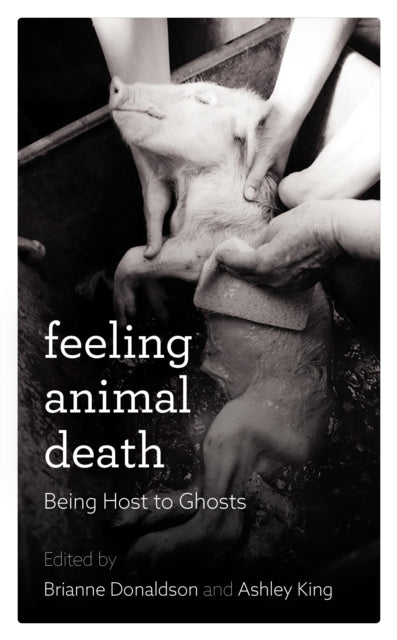
Feeling Animal Death: Being Host to Ghosts
Feeling Animal Death: Being Host to Ghosts
💎 Earn 575 Points (£5.75) on this item.
We can order this item for you. Delivery usually takes about 4 to 6 weeks.
This item is not held in our immediate stock. We will order it for you after checkout.
Estimated delivery: About 4 to 6 weeks
YOU SAVE £14.95
- Condition: Brand new
- UK Delivery times: Usually arrives within 2 - 3 working days
- UK Shipping: Fee starts at £2.39. Subject to product weight & dimension
Bulk ordering. Want 15 or more copies? Get a personalised quote and bigger discounts. Learn more about bulk orders.
Couldn't load pickup availability
- More about Feeling Animal Death: Being Host to Ghosts
The emotional exchange between humans and more-than-human creatures is overlooked in societies with animal deaths, with examples of people learning and performing emotions, expanding desires, discovering new ways to behave, and altering their sense of self, purpose, and community. These authors host creaturely ghosts who reorient their world vision and work in the world, offering examples of affect and feeling needed to enliven multi-species ethics.
Format: Hardback
Length: 364 pages
Publication date: 20 June 2019
Publisher: Rowman & Littlefield International
The emotional exchange between humans and more-than-human creatures is often overlooked in societies where animal deaths are prevalent. This text highlights examples of individuals from various disciplines and perspectives, including biomedical research, black theology, and art, who have learned and performed emotions, expanded their desires, discovered new ways to behave, and altered their sense of self, purpose, and community through passionate attachments to animals. By articulating the emotional ties that bind them to specific animal lives and deaths, these authors invite creaturely ghosts to reorient their world vision and work in the world, providing examples of affect and feeling necessary to enliven multi-species ethics.
The Emotional Exchange Between Humans and More-Than-Human Creatures
In societies where animal deaths are prevalent, the emotional exchange between humans and more-than-human creatures is often overlooked. This text aims to highlight the importance of these emotional connections and the ways in which they can shape our worldview and behavior. By exploring examples from various disciplines and perspectives, we can gain a deeper understanding of the ways in which humans can learn and perform emotions, expand their desires, discover new ways to behave, and alter their sense of self, purpose, and community through passionate attachments to animals.
Examples of Emotional Exchange
Biomedical research has shown that humans can develop strong emotional attachments to animals, even those that are not traditionally considered pets. For example, studies have shown that people who own pets experience lower levels of stress and anxiety, and that pets can help to improve mental health and well-being. In addition, research has shown that animals can be used as therapeutic tools to help individuals with a range of mental and physical health conditions, including depression, anxiety, and chronic pain.
Black theology has also explored the emotional exchange between humans and more-than-human creatures. For example, theologian James Cone has argued that the Bible is a text that is filled with stories of God's love for all creatures, including animals. Cone has argued that this love is not limited to humans but is also extended to all living things. This perspective has led to the development of a theology of creation that emphasizes the importance of caring for the environment and all of its inhabitants.
Art has also been a powerful medium for exploring the emotional exchange between humans and more-than-human creatures. For example, the work of artist Ai Weiwei has focused on the human-animal relationship and has highlighted the ways in which animals are often treated as objects rather than living beings. Weiwei's work has been used to raise awareness about animal rights and has helped to promote a more compassionate and ethical approach to animal care.
The Importance of Emotional Exchange
The emotional exchange between humans and more-than-human creatures is important for a variety of reasons. First, it can help to reduce stress and anxiety. Studies have shown that spending time with animals can help to reduce blood pressure, heart rate, and cortisol levels, which are all associated with stress. In addition, animals can provide a sense of comfort and companionship, which can be especially important for individuals who are experiencing loneliness or social isolation.
Second, the emotional exchange between humans and more-than-human creatures can help to expand our desires. Studies have shown that people who have strong emotional attachments to animals are more likely to engage in activities that promote animal welfare, such as volunteering at animal shelters or donating to animal charities. This can help to create a more compassionate and ethical society.
Third, the emotional exchange between humans and more-than-human creatures can help to discover new ways to behave. Studies have shown that animals can be used as models for human behavior, and that by observing their behavior, we can learn new ways to interact with the world. For example, studies have shown that dogs can be trained to assist individuals with disabilities, and that cats can be trained to provide emotional support to individuals with mental health conditions.
Finally, the emotional exchange between humans and more-than-human creatures can help to alter our sense of self, purpose, and community. Studies have shown that people who have strong emotional attachments to animals are more likely to feel a sense of belonging and purpose in their lives. This can help to create a more cohesive and supportive community, and can also help to reduce social inequality and discrimination.
Conclusion
In conclusion, the emotional exchange between humans and more-than-human creatures is an overlooked phenomenon in societies characterized by the ubiquitous deaths of animals. By exploring examples from various disciplines and perspectives, we can gain a deeper understanding of the ways in which humans can learn and perform emotions, expand their desires, discover new ways to behave, and alter their sense of self, purpose, and community through passionate attachments to animals. This text invites creaturely ghosts to reorient our world vision and work in the world, providing examples of affect and feeling necessary to enliven multi-species ethics.
Weight: 721g
Dimension: 228 x 161 x 34 (mm)
ISBN-13: 9781786611147
UK and International shipping information
UK and International shipping information
UK Delivery and returns information:
- Delivery within 2 - 3 days when ordering in the UK.
- Shipping fee for UK customers from £2.39. Fully tracked shipping service available.
- Returns policy: Return within 30 days of receipt for full refund.
International deliveries:
Shulph Ink now ships to Australia, Belgium, Canada, France, Germany, Ireland, Italy, India, Luxembourg Saudi Arabia, Singapore, Spain, Netherlands, New Zealand, United Arab Emirates, United States of America.
- Delivery times: within 5 - 10 days for international orders.
- Shipping fee: charges vary for overseas orders. Only tracked services are available for most international orders. Some countries have untracked shipping options.
- Customs charges: If ordering to addresses outside the United Kingdom, you may or may not incur additional customs and duties fees during local delivery.