Shulph Ink
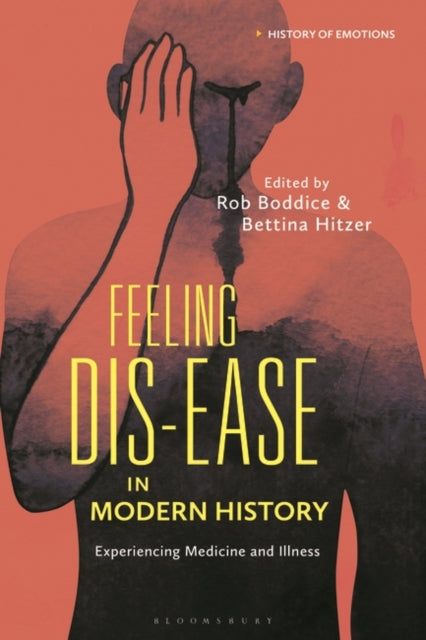
Feeling Dis-ease in Modern History: Experiencing Medicine and Illness
Feeling Dis-ease in Modern History: Experiencing Medicine and Illness
💎 Earn 504 Points (£5.04) on this item.
- Condition: Brand new
- UK Delivery times: Usually arrives within 2 - 3 working days
- UK Shipping: Fee starts at £2.39. Subject to product weight & dimension
Bulk ordering. Want 15 or more copies? Get a personalised quote and bigger discounts. Learn more about bulk orders.
Couldn't load pickup availability
- More about Feeling Dis-ease in Modern History: Experiencing Medicine and Illness
This book explores the experiences of illness, including emotional and sensory disruptions, and how medical practitioners, experts, lay authorities, and the public have felt about them. It examines the intersection of intellectual history, medical knowledge, institutional atmospheres, built environments, and technological practicalities with emotional and sensory experience, and highlights the ways in which power and authority have validated or discounted dis-eased feelings. Drawing on methodologies from the histories of emotions, senses, science, and the medical humanities, it provides an account of the complexity of undergoing illness.
Format: Hardback
Length: 296 pages
Publication date: 02 June 2022
Publisher: Bloomsbury Publishing PLC
This book delves into the multifaceted experiences of illness, encompassing the emotional and sensory disruptions that accompany disease, injury, mental illness, or trauma. It provides an account of how medical practitioners, experts, lay authorities, and the public have grappled with these disruptions. By examining all aspects of the medical encounter, including the intersection of intellectual history, medical knowledge, institutional atmospheres, built environments, and technological practicalities, Feeling Dis-ease in Modern History offers a comprehensive affective account of both feeling well and feeling ill.
A central focus of the book is the exploration of how dynamics of power and authority have either validated or discounted dis-eased feelings. Contributors delve into the intricate politics of medical expertise and patient experience to better understand the situated expressions of illness, their reception, and their social, cultural, and moral valuation. Drawing on methodologies from the histories of emotions, senses, science, and the medical humanities, the book offers a rich account of the complexity of undergoing illness—of feeling dis-ease.
The book begins by situating the study of illness within the broader context of modern history. It explores how historical developments, such as the rise of medicine, the industrial revolution, and the emergence of new technologies, have shaped the experiences of illness and influenced the ways in which medical practitioners, patients, and society at large perceive and respond to disease.
Chapter 1 provides an overview of the book's themes and objectives. It highlights the significance of studying the emotional and sensory aspects of illness and the ways in which they have been marginalized or overlooked in traditional medical narratives. The chapter also introduces the various methodologies employed throughout the book, including historical analysis, ethnography, and sensory research.
Chapter 2 explores the emotional and sensory disruptions that accompany disease, injury, and mental illness. It examines the ways in which these disruptions challenge the conventional understanding of health and well-being and how they are experienced by individuals and communities. The chapter also considers the impact of these disruptions on medical practices and the development of new diagnostic and treatment methods.
Chapter 3 examines the historical and cultural constructions of illness and how they have shaped the ways in which medical practitioners, patients, and society perceive and respond to disease. It explores the role of gender, race, and class in shaping experiences of illness and the ways in which these factors have influenced medical practices and patient care. The chapter also considers the impact of popular culture and media on perceptions of illness and the ways in which they have influenced public health policies.
Chapter 4 explores the intersection of power and authority in the medical encounter. It examines how medical practitioners, experts, and lay authorities exercise power over patients and how this power can influence the diagnosis, treatment, and outcomes of illness. The chapter also considers the ways in which patients can challenge power dynamics and advocate for their own care.
Chapter 5 examines the role of technology in shaping experiences of illness and the ways in which it has influenced medical practices and patient care. It explores the impact of new medical technologies, such as imaging, diagnostics, and treatment, on experiences of illness and the ways in which they have influenced medical decision-making and patient outcomes. The chapter also considers the ethical and social implications of emerging technologies and the ways in which they can be used to promote health and well-being.
Chapter 6 explores the social and cultural valuation of illness and how it has shaped the ways in which medical practitioners, patients, and society perceive and respond to disease. It examines the ways in which illness is perceived as a source of shame, stigma, and discrimination and the ways in which these perceptions can impact patient care and outcomes. The chapter also considers the ways in which social movements and advocacy efforts have challenged these perceptions and promoted greater understanding and support for individuals with illness.
Chapter 7 concludes the book by reflecting on the lessons learned from the study of illness and the ways in which they can be applied to promote greater health and well-being. It explores the importance of interdisciplinary research and collaboration in understanding the complexities of illness and the ways in which different disciplines can contribute to promoting health and well-being. The chapter also considers the challenges and limitations of studying illness and the ways in which these can be addressed to promote greater understanding and empathy for individuals with illness.
In conclusion, Feeling Dis-ease in Modern History offers a comprehensive and nuanced account of the experiences of illness, encompassing the emotional and sensory disruptions that accompany disease, injury, mental illness, or trauma. By examining all aspects of the medical encounter, including the intersection of intellectual history, medical knowledge, institutional atmospheres, built environments, and technological practicalities, the book provides a rich and affective account of both feeling well and feeling ill. Through its exploration of the dynamics of power and authority, the intersectional politics of medical expertise and patient experience, and the social, cultural, and moral valuation of illness, Feeling Dis-ease in Modern History offers valuable insights into the complexities of undergoing illness and the ways in which it can be understood and addressed.
Weight: 584g
Dimension: 242 x 163 x 23 (mm)
ISBN-13: 9781350228375
UK and International shipping information
UK and International shipping information
UK Delivery and returns information:
- Delivery within 2 - 3 days when ordering in the UK.
- Shipping fee for UK customers from £2.39. Fully tracked shipping service available.
- Returns policy: Return within 30 days of receipt for full refund.
International deliveries:
Shulph Ink now ships to Australia, Belgium, Canada, France, Germany, Ireland, Italy, India, Luxembourg Saudi Arabia, Singapore, Spain, Netherlands, New Zealand, United Arab Emirates, United States of America.
- Delivery times: within 5 - 10 days for international orders.
- Shipping fee: charges vary for overseas orders. Only tracked services are available for most international orders. Some countries have untracked shipping options.
- Customs charges: If ordering to addresses outside the United Kingdom, you may or may not incur additional customs and duties fees during local delivery.