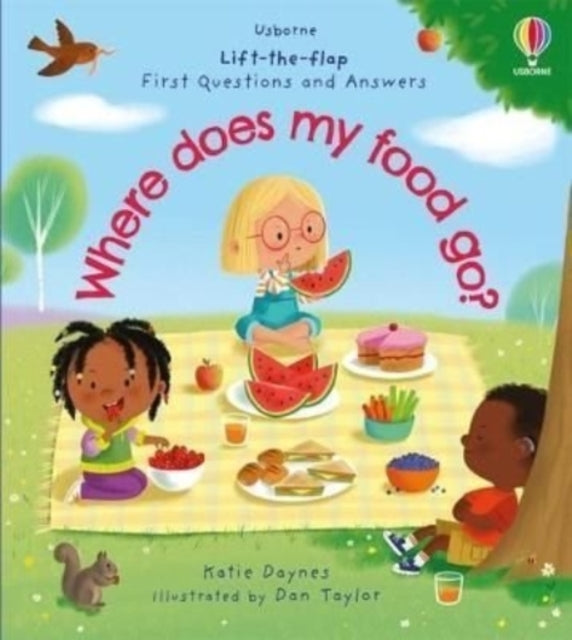
Katie Daynes
First Questions and Answers: Where does my food go?
First Questions and Answers: Where does my food go?
💎 Earn 35 Points (£0.35) on this item.
YOU SAVE £2.92
- Condition: Brand new
- UK Delivery times: Usually arrives within 2 - 3 working days
- UK Shipping: Fee starts at £2.39. Subject to product weight & dimension
Bulk ordering. Want 15 or more copies? Get a personalised quote and bigger discounts. Learn more about bulk orders.
Couldn't load pickup availability
- More about First Questions and Answers: Where does my food go?
This book provides an informative journey through the digestive system, explaining the stages of digestion, the roles of different organs, and how foods contribute to our health.
Format: Board book
Length: 12 pages
Publication date: 04 August 2022
Publisher: Usborne Publishing Ltd
Digestive System: A Journey Through the Gurgling Gut
The human digestive system is a complex network of organs and tissues that work together to break down food, absorb nutrients, and eliminate waste. From the moment we take a bite to the moment we expel it, our digestive system undergoes a series of intricate processes that are essential for our survival.
The journey begins with the mouth, where the teeth break down food into smaller pieces that can be swallowed. The saliva produced by the salivary glands helps to moisten the food and make it easier to swallow. Next, the food passes through the esophagus, a tube that connects the mouth to the stomach. The esophagus is lined with a series of muscles that contract and relax to move the food down the tube.
Once the food reaches the stomach, it is further broken down by the stomach acids and digestive enzymes. The stomach is a muscular organ that churns and mixes the food, breaking it down into smaller particles that can be absorbed by the intestines. The intestines are a long, tube-like organ that extends from the stomach to the rectum. They are lined with millions of tiny cells called villi that absorb nutrients and water from the food.
The waste products of digestion, such as undigested food particles, bacteria, and toxins, are eliminated from the body through the colon, a large, tube-like organ that connects the rectum to the anus. The colon absorbs water and nutrients from the waste products and expels them through the anus.
The digestive system is also responsible for the production of important nutrients such as vitamins, minerals, and carbohydrates. The liver is a vital organ that plays a key role in the digestion of fats and carbohydrates. It produces bile, a digestive fluid that helps to break down fats and emulsify fats. The pancreas is another important organ that produces digestive enzymes and hormones that help to break down food and regulate blood sugar levels.
In addition to its digestive functions, the digestive system is also involved in the regulation of body temperature, blood pressure, and blood sugar levels. The stomach and intestines produce hormones that help to regulate these important bodily functions.
The digestive system is a complex and fascinating organ that plays a critical role in our health and well-being. By understanding the processes of digestion and the roles of the different organs and tissues, we can better care for our bodies and prevent digestive disorders.
Digestion is a complex process that involves several organs and tissues in the human body. Here are the stages of digestion:
1. Ingestion: The first stage of digestion is ingestion, which involves the intake of food into the body. This can be done through the mouth, where food is chewed and swallowed, or through the anus, where feces are expelled.
2. Chewing: Once food enters the body, it is broken down into smaller particles by the teeth. The teeth are responsible for grinding the food into smaller pieces that can be easily digested by the stomach.
3. Mastication: Mastication is the process of chewing food and mixing it with saliva. This helps to break down the food into smaller particles and make it easier to swallow.
4. Swallowing: Swallowing is the process of moving food from the mouth to the stomach through the esophagus. The esophagus is a tube-like structure that connects the mouth to the stomach.
5. Gastric Emptying: Once food enters the stomach, it is churned and mixed by the stomach acids and digestive enzymes. This process is known as gastric emptying and takes about 2-3 hours.
6. Digestion: The food that is left in the stomach after gastric emptying is further broken down into smaller particles by the stomach acids and digestive enzymes. This process is known as digestion and takes about 4-5 hours.
7. Absorption: The small particles of food that are broken down during digestion are absorbed by the intestines. The intestines are a long, tube-like structure that extends from the stomach to the rectum.
8. Egestion: The waste products of digestion, such as undigested food particles, bacteria, and toxins, are expelled from the body through the anus.
9. Elimination: The waste products of digestion, such as feces, are eliminated from the body through the anus.
The teeth are important for breaking down food into smaller particles that can be easily digested by the stomach. The saliva produced by the salivary glands helps to moisten the food and make it easier to swallow. The esophagus is a tube that connects the mouth to the stomach and is lined with muscles that contract and relax to move the food down the tube.
The stomach is a muscular organ that churns and mixes the food, breaking it down into smaller particles that can be absorbed by the intestines. The intestines are a long, tube-like organ that extends from the stomach to the rectum and is lined with millions of tiny cells called villi that absorb nutrients and water from the food.
The colon is a large, tube-like organ that connects the rectum to the anus and is responsible for eliminating waste products of digestion. The colon absorbs water and nutrients from the waste products and expels them through the anus.
The liver is a vital organ that plays a key role in the digestion of fats and carbohydrates. It produces bile, a digestive fluid that helps to break down fats and emulsify fats. The pancreas is another important organ that produces digestive enzymes and hormones that help to break down food and regulate blood sugar levels.
In addition to its digestive functions, the digestive system is also involved in the regulation of body temperature, blood pressure, and blood sugar levels. The stomach and intestines produce hormones that help to regulate these important bodily functions.
Digestion is a complex and fascinating process that plays a critical role in our health and well-being. By understanding the processes of digestion and the roles of the different organs and tissues, we can better care for our bodies and prevent digestive disorders.
The human digestive system is a complex network of organs and tissues that work together to break down food, absorb nutrients, and eliminate waste. From the moment we take a bite to the moment we expel it, our digestive system undergoes a series of intricate processes that are essential for our survival.
The journey begins with the mouth, where the teeth break down food into smaller pieces that can be swallowed. The saliva produced by the salivary glands helps to moisten the food and make it easier to swallow. Next, the food passes through the esophagus, a tube that connects the mouth to the stomach. The esophagus is lined with a series of muscles that contract and relax to move the food down the tube.
Once the food reaches the stomach, it is further broken down by the stomach acids and digestive enzymes. The stomach is a muscular organ that churns and mixes the food, breaking it down into smaller particles that can be absorbed by the intestines. The intestines are a long, tube-like organ that extends from the stomach to the rectum and is lined with millions of tiny cells called villi that absorb nutrients and water from the food.
The waste products of digestion, such as undigested food particles, bacteria, and toxins, are eliminated from the body through the colon, a large, tube-like organ that connects the rectum to the anus. The colon absorbs water and nutrients from the waste products and expels them through the anus.
The digestive system is also responsible for the production of important nutrients such as vitamins, minerals, and carbohydrates. The liver is a vital organ that plays a key role in the digestion of fats and carbohydrates. It produces bile, a digestive fluid that helps to break down fats and emulsify fats. The pancreas is another important organ that produces digestive enzymes and hormones that help to break down food and regulate blood sugar levels.
In addition to its digestive functions, the digestive system is also involved in the regulation of body temperature, blood pressure, and blood sugar levels. The stomach and intestines produce hormones that help to regulate these important bodily functions.
The digestive system is a complex and fascinating organ that plays a critical role in our health and well-being. By understanding the processes of digestion and the roles of the different organs and tissues, we can better care for our bodies and prevent digestive disorders.
Digestion is a complex process that involves several organs and tissues in the human body. Here are the stages of digestion:
1. Ingestion: The first stage of digestion is ingestion, which involves the intake of food into the body. This can be done through the mouth, where food is chewed and swallowed, or through the anus, where feces are expelled.
2. Chewing: Once food enters the body, it is broken down into smaller particles by the teeth. The teeth are responsible for grinding the food into smaller pieces that can be easily digested by the stomach.
3. Mastication: Mastication is the process of chewing food and mixing it with saliva. This helps to break down the food into smaller particles and make it easier to swallow.
4. Swallowing: Swallowing is the process of moving food from the mouth to the stomach through the esophagus. The esophagus is a tube-like structure that connects the mouth to the stomach.
5. Gastric Emptying: Once food enters the stomach, it is churned and mixed by the stomach acids and digestive enzymes. This process is known as gastric emptying and takes about 2-3 hours.
6. Digestion: The food that is left in the stomach after gastric emptying is further broken down into smaller particles by the stomach acids and digestive enzymes. This process is known as digestion and takes about 4-5 hours.
7. Absorption: The small particles of food that are broken down during digestion are absorbed by the intestines. The intestines are a long, tube-like structure that extends from the stomach to the rectum.
8. Egestion: The waste products of digestion, such as undigested food particles, bacteria, and toxins, are expelled from the body through the anus.
9. Elimination: The waste products of digestion, such as feces, are eliminated from the body through the anus.
The teeth are important for breaking down food into smaller particles that can be easily digested by the stomach. The saliva produced by the salivary glands helps to moisten the food and make it easier to swallow. The esophagus is a tube that connects the mouth to the stomach and is lined with muscles that contract and relax to move the food down the tube.
The stomach is a muscular organ that churns and mixes the food, breaking it down into smaller particles that can be absorbed by the intestines. The intestines are a long, tube-like organ that extends from the stomach to the rectum and is lined with millions of tiny cells called villi that absorb nutrients and water from the food.
The colon is a large, tube-like organ that connects the rectum to the anus and is responsible for eliminating waste products of digestion. The colon absorbs water and nutrients from the waste products and expels them through the anus.
The liver is a vital organ that plays a key role in the digestion of fats and carbohydrates. It produces bile, a digestive fluid that helps to break down fats and emulsify fats. The pancreas is another important organ that produces digestive enzymes and hormones that help to break down food and regulate blood sugar levels.
In addition to its digestive functions, the digestive system is also involved in the regulation of body temperature, blood pressure, and blood sugar levels. The stomach and intestines produce hormones that help to regulate these important bodily functions.
Digestion is a complex and fascinating process that plays a critical role in our health and well-being. By understanding the processes of digestion and the roles of the different organs and tissues, we can better care for our bodies and prevent digestive disorders.
Weight: 356g
Dimension: 200 x 223 x 15 (mm)
ISBN-13: 9781474920537
This item can be found in:
UK and International shipping information
UK and International shipping information
UK Delivery and returns information:
- Delivery within 2 - 3 days when ordering in the UK.
- Shipping fee for UK customers from £2.39. Fully tracked shipping service available.
- Returns policy: Return within 30 days of receipt for full refund.
International deliveries:
Shulph Ink now ships to Australia, Belgium, Canada, France, Germany, Ireland, Italy, India, Luxembourg Saudi Arabia, Singapore, Spain, Netherlands, New Zealand, United Arab Emirates, United States of America.
- Delivery times: within 5 - 10 days for international orders.
- Shipping fee: charges vary for overseas orders. Only tracked services are available for most international orders. Some countries have untracked shipping options.
- Customs charges: If ordering to addresses outside the United Kingdom, you may or may not incur additional customs and duties fees during local delivery.