Shulph Ink
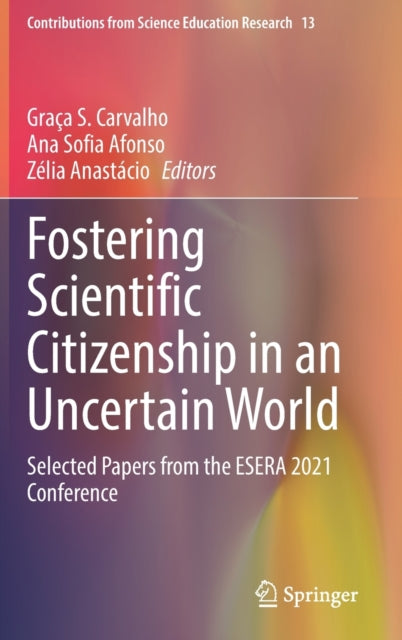
Fostering Scientific Citizenship in an Uncertain World: Selected Papers from the ESERA 2021 Conference
Fostering Scientific Citizenship in an Uncertain World: Selected Papers from the ESERA 2021 Conference
💎 Earn 578 Points (£5.78) on this item.
We can order this item for you. Delivery usually takes about 4 to 6 weeks.
This item is not held in our immediate stock. We will order it for you after checkout.
Estimated delivery: About 4 to 6 weeks
YOU SAVE £24.36
- Condition: Brand new
- UK Delivery times: Usually arrives within 2 - 3 working days
- UK Shipping: Fee starts at £2.39. Subject to product weight & dimension
Bulk ordering. Want 15 or more copies? Get a personalised quote and bigger discounts. Learn more about bulk orders.
Couldn't load pickup availability
- More about Fostering Scientific Citizenship in an Uncertain World: Selected Papers from the ESERA 2021 Conference
This edited volume explores innovative research in Science Education, promoting scientific citizenship in a uncertain world. The nineteen chapters address diverse topics and research approaches from the 14th European Science Education Research Association Conference, held online in 2021. The book stimulates reflection on preparing future generations for a better understanding of science education, of interest to researchers and teachers.
Format: Hardback
Length: 324 pages
Publication date: 18 August 2023
Publisher: Springer International Publishing AG
This edited volume brings together cutting-edge research in the field of Science Education, nurturing scientific citizenship in a turbulent world. The nineteen chapters presented in this book address diverse topics and research approaches carried out in various contexts and settings worldwide, contributing to improving and updating knowledge on science education. The book consists of selected high-quality studies presented at the 14th European Science Education Research Association (ESERA) Conference, held online (due to the COVID-19 pandemic) by the University of Minho, Portugal, between August 30th and September 3rd, 2021. Being of great relevance in contemporary science education, this book stimulates reflection on different approaches to enhance a deeper understanding of how better prepare the coming generations, which is of great interest to science education researchers and science teachers.
Introduction
In today's rapidly changing world, where scientific knowledge and technology play a pivotal role in shaping our understanding of the universe, it is more important than ever to foster scientific citizenship among individuals. Scientific citizenship refers to the ability of individuals to critically evaluate scientific information, engage in scientific discourse, and make informed decisions based on scientific evidence. This edited volume aims to contribute to this important endeavor by bringing together innovative research in the field of Science Education.
Chapter Summaries
Chapter 1: "Science Education in the Age of Uncertainty: Challenges and Opportunities"
This chapter explores the challenges and opportunities faced by science education in the age of uncertainty. It discusses the need for science education to address the complex and rapidly changing world, the role of scientific literacy in promoting scientific citizenship, and the challenges of integrating scientific knowledge with other disciplines. The chapter also highlights the importance of developing students' critical thinking skills and their ability to engage in evidence-based decision-making.
Chapter 2: "Exploring the Role of Inquiry-Based Learning in Science Education"
Inquiry-based learning is a teaching approach that emphasizes student-centered learning and encourages students to explore and investigate scientific concepts. This chapter explores the benefits of inquiry-based learning in promoting scientific literacy, critical thinking skills, and scientific creativity. It also discusses the challenges of implementing inquiry-based learning in different contexts and settings.
Chapter 3: "Science Education for Sustainable Development: Challenges and Opportunities"
Sustainable development is a global priority, and science education plays a crucial role in promoting sustainable practices and attitudes among individuals. This chapter explores the challenges and opportunities of science education for sustainable development, including the need for interdisciplinary approaches, the integration of environmental education, and the development of students' ecological literacy.
Chapter 4: "Gender Equity in Science Education: Challenges and Opportunities"
Gender equity in science education is a critical issue that needs to be addressed to promote equal opportunities for all individuals to engage in science. This chapter explores the challenges and opportunities of gender equity in science education, including the need for gender-sensitive teaching practices, the promotion of female role models in science, and the development of inclusive teaching environments.
Chapter 5: "Science Education for Digital Citizenship: Challenges and Opportunities"
The digital age has transformed the way we communicate, work, and interact with the world. Science education plays a crucial role in preparing individuals for digital citizenship, which involves the ability to use digital technologies responsibly, critically evaluate digital information, and engage in digital discourse. This chapter explores the challenges and opportunities of science education for digital citizenship, including the need for digital literacy skills, the integration of technology into teaching practices, and the development of digital citizenship curricula.
Chapter 6: "Science Education for Global Citizenship: Challenges and Opportunities"
Global citizenship refers to the ability of individuals to understand and engage with the global community, including issues of social justice, environmental sustainability, and human rights. Science education plays a crucial role in promoting global citizenship by developing students' understanding of the world and their place in it. This chapter explores the challenges and opportunities of science education for global citizenship, including the need for cross-cultural understanding, the integration of global issues into teaching practices, and the development of global citizenship curricula.
Chapter 7: "Science Education for Health Literacy: Challenges and Opportunities"
Health literacy refers to the ability of individuals to understand and use health information to make informed decisions about their health. Science education plays a crucial role in promoting health literacy by developing students' understanding of the natural world and their health. This chapter explores the challenges and opportunities of science education for health literacy, including the need for health education curricula health literacy curricula, the integration of health education into other disciplines, and the development of health education professionals.
Chapter 8: "Science Education for the Inclusion of Students with Disabilities: Challenges and Opportunities"
Inclusion of students with disabilities in science education is a critical issue that needs to be addressed to promote equal opportunities for all individuals to engage in science. This chapter explores the challenges and opportunities of science education for the inclusion of students with disabilities, including the need for inclusive teaching practices, the development of accessible learning materials, and the development of support services for students with disabilities.
Chapter 9: "Science Education for the Development of Scientific Literacy in Early Childhood Education: Challenges and Opportunities"
Early childhood education is a critical period in the development of scientific literacy, and science education plays a crucial role in promoting early childhood education. This chapter explores the challenges and opportunities of science education for the development of scientific literacy in early childhood education, including the need for early childhood education curricula, the integration of science education into early childhood education practices, and the development of early childhood education professionals.
Chapter 10: "Science Education for the Development of Scientific Literacy in Secondary Education: Challenges and Opportunities"
Secondary education is a critical period in the development of scientific literacy, and science education plays a crucial role in promoting secondary education. This chapter explores the challenges and opportunities of science education for the development of scientific literacy in secondary education, including the need for secondary education curricula
curricula, the integration of science education into secondary education practices, and the development of secondary education professionals.
Chapter 11: "Science Education for the Development of Scientific Literacy in Higher Education: Challenges and Opportunities"
Higher education is a critical period in the development of scientific literacy, and science education plays a crucial role in promoting higher education. This chapter explores the challenges and opportunities of science education for the development of scientific literacy in higher education, including the need for higher education curricula education curricula, the integration of science education into higher education practices, and the development of higher education professionals.
Chapter 12: "Science Education for the Development of Scientific Literacy in Professional Education: Challenges and Opportunities"
Professional education is a critical period in the development of scientific literacy, and science education plays a crucial role in promoting professional education. This chapter explores the challenges and opportunities of science education for the development of scientific literacy in professional education, including the need for professional education curricula, the integration of science education into professional education practices, and the development of professional education professionals.
Chapter 13: "Science Education for the Development of Scientific Literacy in Non-Formal Education: Challenges and Opportunities"
Non-formal education is a critical period in the development of scientific literacy, and science education plays a crucial role in promoting non-formal education. This chapter explores the challenges and opportunities of science education for the development of scientific literacy in non-formal education, including the need for non-formal education curricula, the integration of science education into non-formal education practices, and the development of non-formal education professionals.
Chapter 14: "Science Education for the Development of Scientific Literacy in Informal Education: Challenges and Opportunities"
Informal education is a critical period in the development of scientific literacy, and science education plays a crucial role in promoting informal education. This chapter explores the challenges and opportunities of science education for the development of scientific literacy in informal education, including the need for informal education curricula, the integration of science education into informal education practices, and the development of informal education professionals.
Chapter 15: "Science Education for the Development of Scientific Literacy in Lifelong Learning: Challenges and Opportunities"
Lifelong learning is a critical period in the development of scientific literacy, and science education plays a crucial role in promoting lifelong learning. This chapter explores the challenges and opportunities of science education for the development of scientific literacy in lifelong learning, including the need for lifelong learning curricula, the integration of science education into lifelong learning practices, and the development of lifelong learning professionals.
Chapter 16: "Science Education for the Development of Scientific Literacy in Distance Learning: Challenges and Opportunities"
Distance learning is a critical period in the development of scientific literacy, and science education plays a crucial role in promoting distance learning. This chapter explores the challenges and opportunities of science education for the development of scientific literacy in distance learning, including the need for distance learning curricula, the integration of science education into distance learning practices, and the development of distance learning professionals.
Chapter 17: "Science Education for the Development of Scientific Literacy in Virtual Reality: Challenges and Opportunities"
Virtual reality is a critical period in the development of scientific literacy, and science education plays a crucial role in promoting virtual reality. This chapter explores the challenges and opportunities of science education for the development of scientific literacy in virtual reality, including the need for virtual reality curricula, the integration of science education into virtual reality practices, and the development of virtual reality professionals.
Chapter 18: "Science Education for the Development of Scientific Literacy in Augmented Reality: Challenges and Opportunities"
Augmented reality is a critical period in the development of scientific literacy, and science education plays a crucial role in promoting augmented reality. This chapter explores the challenges and opportunities of science education for the development of scientific literacy in augmented reality, including the need for augmented reality curricula, the integration of science education into augmented reality practices, and the development of augmented reality professionals.
Chapter 19: "Conclusion"
In conclusion, this edited volume brings together innovative research in the field of Science Education, fostering scientific citizenship in a turbulent world. The nineteen chapters presented in this book address diverse topics and research approaches carried out in various contexts and settings worldwide, contributing to improving and updating knowledge on science education. The book consists of selected high-quality studies presented at the 14th European Science Education Research Association (ESERA) Conference, held online (due to the COVID-19 pandemic) by the University of Minho, Portugal, between August 30th and September 3rd, 2021. Being of great relevance in contemporary science education, this book stimulates reflection on different approaches to enhance a deeper understanding of how better prepare the coming generations, which is of great interest to science education researchers and science teachers.
Dimension: 235 x 155 (mm)
ISBN-13: 9783031322242
Edition number: 1st ed. 2023
UK and International shipping information
UK and International shipping information
UK Delivery and returns information:
- Delivery within 2 - 3 days when ordering in the UK.
- Shipping fee for UK customers from £2.39. Fully tracked shipping service available.
- Returns policy: Return within 30 days of receipt for full refund.
International deliveries:
Shulph Ink now ships to Australia, Belgium, Canada, France, Germany, Ireland, Italy, India, Luxembourg Saudi Arabia, Singapore, Spain, Netherlands, New Zealand, United Arab Emirates, United States of America.
- Delivery times: within 5 - 10 days for international orders.
- Shipping fee: charges vary for overseas orders. Only tracked services are available for most international orders. Some countries have untracked shipping options.
- Customs charges: If ordering to addresses outside the United Kingdom, you may or may not incur additional customs and duties fees during local delivery.