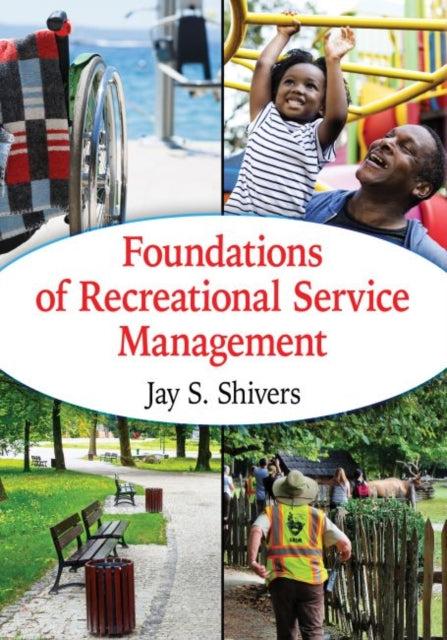
Jay S. Shivers
Foundations of Recreational Service Management
Foundations of Recreational Service Management
💎 Earn 188 Points (£1.88) on this item.
We can order this item for you. Delivery usually takes about 4 to 6 weeks.
This item is not held in our immediate stock. We will order it for you after checkout.
Estimated delivery: About 4 to 6 weeks
YOU SAVE £2.24
- Condition: Brand new
- UK Delivery times: Usually arrives within 2 - 3 working days
- UK Shipping: Fee starts at £2.39. Subject to product weight & dimension
Bulk ordering. Want 15 or more copies? Get a personalised quote and bigger discounts. Learn more about bulk orders.
Couldn't load pickup availability
- More about Foundations of Recreational Service Management
This text provides a comprehensive introduction to management in public recreational service, covering history, overview, best practices, finding the best service, politics, staff organization, and program evaluation.
Format: Paperback / softback
Length: 269 pages
Publication date: 30 January 2021
Publisher: McFarland & Co Inc
Management in public recreational service is a comprehensive field that encompasses the principles and practices of managing recreational services for the public. It involves a historical overview of the modern recreational service movement, a general overview of the field, and a detailed guide to best practices in leadership, coordination, public relations, planning, and budgeting. This text provides students with valuable tips on how to find the best recreational services in their community and explores the complex relationship between public recreational services and politics. Additionally, it covers various topics such as staff organization, program evaluation, and the impact of recreational programs on individuals and communities.
Management in Public Recreational Service
Management in public recreational service is a comprehensive field that encompasses the principles and practices of managing recreational services for the public. It involves a historical overview of the modern recreational service movement, a general overview of the field, and a detailed guide to best practices in leadership, coordination, public relations, planning, and budgeting. This text provides students with valuable tips on how to find the best recreational services in their community and explores the complex relationship between public recreational services and politics. Additionally, it covers various topics such as staff organization, program evaluation, and the impact of recreational programs on individuals and communities.
History of the Modern Recreational Service Movement
The modern recreational service movement began in the late 19th century with the rise of urbanization and the need for recreational opportunities for the growing population. This movement was led by individuals and organizations who recognized the importance of recreational activities for physical and mental health, social development, and community building. Over time, the movement has evolved to include a wide range of recreational services, including parks, recreation centers, sports facilities, and cultural institutions. Today, public recreational services are an essential part of many communities, providing opportunities for people of all ages and abilities to engage in physical activity, socialize, and learn.
General Overview of the Field
Public recreational service is a diverse field that encompasses a wide range of activities and services. It includes the management of parks, recreation centers, sports facilities, cultural institutions, and other recreational resources. The field is characterized by its focus on providing high-quality recreational experiences for the public, while also addressing the needs of the community and the environment. Public recreational services are typically funded by government agencies, private foundations, and donations, and they are operated by a variety of organizations, including local governments, nonprofit organizations, and private companies. The field is constantly evolving, with new technologies, trends, and challenges shaping the way that recreational services are delivered.
Best Practices in Leadership, Coordination, Public Relations, Planning, and Budgeting
Effective leadership is essential for the success of any recreational service. Leaders must be able to inspire and motivate their staff, develop a clear vision and strategy, and manage resources effectively. Coordination is also critical, as it involves ensuring that all aspects of a recreational program are working together seamlessly. Public relations is important for promoting the recreational services and building positive relationships with the community. Planning and budgeting are essential for ensuring that recreational services are delivered efficiently and effectively. Effective planning involves identifying the needs of the community and developing a plan that meets those needs, while budgeting involves allocating resources to ensure that the plan is implemented successfully.
Finding the Best Recreational Services in Your Community
Finding the best recreational services in your community can be a challenging task. There are many factors to consider, including the quality of the facilities, the variety of activities offered, the cost of the services, and the accessibility of the services. To find the best services, you can start by researching online, reading reviews, and talking to other people in your community. You can also visit the recreational facilities in your area to see them in person and get a feel for the services that they offer. Once you have found a few potential services, you can compare their prices and services to find the one that best fits your needs and budget.
The Complex Relationship between Public Recreational Services and Politics
Public recreational services are often subject to political influence. This can be positive or negative, depending on the nature of the influence. For example, political influence can lead to increased funding for recreational services, which can improve the quality of the services and make them more accessible to the public. However, political influence can also lead to restrictions on recreational activities, such as bans on smoking or alcohol consumption in public parks. It is important for recreational service providers to be aware of the political landscape and to work to maintain a positive relationship with politicians and other stakeholders. This can involve participating in public hearings, lobbying for legislation, and engaging in community outreach.
Staff Organization
Staff organization is essential for the success of any recreational service. A well-organized staff can ensure that all aspects of a recreational program are running smoothly and efficiently. Staff should be trained in the skills necessary to perform their jobs, and they should be provided with the resources and support they need to succeed. Staff organization can also help to build a positive work environment, which can lead to increased job satisfaction and retention.
Evaluating the Effectiveness of a Recreational Program
Evaluating the effectiveness of a recreational program is essential for ensuring that it is meeting its goals and objectives. This can involve measuring the number of participants, the level of satisfaction, and the impact of the program on the community. Evaluation can also help to identify areas for improvement and to make changes to the program to ensure that it continues to be successful in the future.
Conclusion
Management in public recreational service is a complex and diverse field that plays a critical role in the health and well-being of individuals and communities. By understanding the principles and practices of management, students can develop the skills necessary to manage recreational services effectively and to make a positive impact on the world. Whether you are interested in working in a park, recreation center, sports facility, or cultural institution, management in public recreational service can provide you with the opportunity to make a difference in the lives of others.
Management in Public Recreational Service
Management in public recreational service is a comprehensive field that encompasses the principles and practices of managing recreational services for the public. It involves a historical overview of the modern recreational service movement, a general overview of the field, and a detailed guide to best practices in leadership, coordination, public relations, planning, and budgeting. This text provides students with valuable tips on how to find the best recreational services in their community and explores the complex relationship between public recreational services and politics. Additionally, it covers various topics such as staff organization, program evaluation, and the impact of recreational programs on individuals and communities.
History of the Modern Recreational Service Movement
The modern recreational service movement began in the late 19th century with the rise of urbanization and the need for recreational opportunities for the growing population. This movement was led by individuals and organizations who recognized the importance of recreational activities for physical and mental health, social development, and community building. Over time, the movement has evolved to include a wide range of recreational services, including parks, recreation centers, sports facilities, and cultural institutions. Today, public recreational services are an essential part of many communities, providing opportunities for people of all ages and abilities to engage in physical activity, socialize, and learn.
General Overview of the Field
Public recreational service is a diverse field that encompasses a wide range of activities and services. It includes the management of parks, recreation centers, sports facilities, cultural institutions, and other recreational resources. The field is characterized by its focus on providing high-quality recreational experiences for the public, while also addressing the needs of the community and the environment. Public recreational services are typically funded by government agencies, private foundations, and donations, and they are operated by a variety of organizations, including local governments, nonprofit organizations, and private companies. The field is constantly evolving, with new technologies, trends, and challenges shaping the way that recreational services are delivered.
Best Practices in Leadership, Coordination, Public Relations, Planning, and Budgeting
Effective leadership is essential for the success of any recreational service. Leaders must be able to inspire and motivate their staff, develop a clear vision and strategy, and manage resources effectively. Coordination is also critical, as it involves ensuring that all aspects of a recreational program are working together seamlessly. Public relations is important for promoting the recreational services and building positive relationships with the community. Planning and budgeting are essential for ensuring that recreational services are delivered efficiently and effectively. Effective planning involves identifying the needs of the community and developing a plan that meets those needs, while budgeting involves allocating resources to ensure that the plan is implemented successfully.
Finding the Best Recreational Services in Your Community
Finding the best recreational services in your community can be a challenging task. There are many factors to consider, including the quality of the facilities, the variety of activities offered, the cost of the services, and the accessibility of the services. To find the best services, you can start by researching online, reading reviews, and talking to other people in your community. You can also visit the recreational facilities in your area to see them in person and get a feel for the services that they offer. Once you have found a few potential services, you can compare their prices and services to find the one that best fits your needs and budget.
The Complex Relationship between Public Recreational Services and Politics
Public recreational services are often subject to political influence. This can be positive or negative, depending on the nature of the influence. For example, political influence can lead to increased funding for recreational services, which can improve the quality of the services and make them more accessible to the public. However, political influence can also lead to restrictions on recreational activities, such as bans on smoking or alcohol consumption in public parks. It is important for recreational service providers to be aware of the political landscape and to work to maintain a positive relationship with politicians and other stakeholders. This can involve participating in public hearings, lobbying for legislation, and engaging in community outreach.
Staff Organization
Staff organization is essential for the success of any recreational service. A well-organized staff can ensure that all aspects of a recreational program are running smoothly and efficiently. Staff should be trained in the skills necessary to perform their jobs, and they should be provided with the resources and support they need to succeed. Staff organization can also help to build a positive work environment, which can lead to increased job satisfaction and retention.
Evaluating the Effectiveness of a Recreational Program
Evaluating the effectiveness of a recreational program is essential for ensuring that it is meeting its goals and objectives. This can involve measuring the number of participants, the level of satisfaction, and the impact of the program on the community. Evaluation can also help to identify areas for improvement and to make changes to the program to ensure that it continues to be successful in the future.
Conclusion
Management in public recreational service is a complex and diverse field that plays a critical role in the health and well-being of individuals and communities. By understanding the principles and practices of management, students can develop the skills necessary to manage recreational services effectively and to make a positive impact on the world. Whether you are interested in working in a park, recreation center, sports facility, or cultural institution, management in public recreational service can provide you with the opportunity to make a difference in the lives of others.
Weight: 592g
Dimension: 254 x 177 x 21 (mm)
ISBN-13: 9781476680736
UK and International shipping information
UK and International shipping information
UK Delivery and returns information:
- Delivery within 2 - 3 days when ordering in the UK.
- Shipping fee for UK customers from £2.39. Fully tracked shipping service available.
- Returns policy: Return within 30 days of receipt for full refund.
International deliveries:
Shulph Ink now ships to Australia, Belgium, Canada, France, Germany, Ireland, Italy, India, Luxembourg Saudi Arabia, Singapore, Spain, Netherlands, New Zealand, United Arab Emirates, United States of America.
- Delivery times: within 5 - 10 days for international orders.
- Shipping fee: charges vary for overseas orders. Only tracked services are available for most international orders. Some countries have untracked shipping options.
- Customs charges: If ordering to addresses outside the United Kingdom, you may or may not incur additional customs and duties fees during local delivery.