Shulph Ink
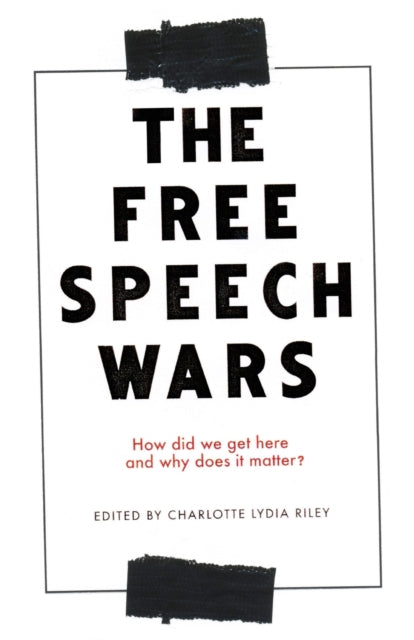
Free Speech Wars: How Did We Get Here and Why Does it Matter?
Free Speech Wars: How Did We Get Here and Why Does it Matter?
💎 Earn 66 Points (£0.66) on this item.
YOU SAVE £1.73
- Condition: Brand new
- UK Delivery times: Usually arrives within 2 - 3 working days
- UK Shipping: Fee starts at £2.39. Subject to product weight & dimension
Bulk ordering. Want 15 or more copies? Get a personalised quote and bigger discounts. Learn more about bulk orders.
Couldn't load pickup availability
- More about Free Speech Wars: How Did We Get Here and Why Does it Matter?
This book explores the contemporary free speech wars, examining how speech spaces and structures shape the debate. It discusses the opposing sides of the debate, including censorship, boycotts, and protests, and encourages the reader to be suspicious of the way the topic is framed in the media.
\n Format: Paperback / softback
\n Length: 296 pages
\n Publication date: 20 November 2020
\n Publisher: Manchester University Press
\n
The right to free speech is a fundamental human right that allows individuals to express their opinions and ideas without fear of censorship or repression. However, the exercise of free speech is not without its challenges, particularly when powerful voices believe that they have been silenced or marginalized. In recent years, there has been a growing debate about the limits of free speech, with proponents arguing that it should be protected even in the face of hate speech and other forms of discrimination, while opponents argue that it should be limited to prevent harm to individuals and society.
This book explores the contemporary free speech wars to understand how this issue has become increasingly charged. It assembles a diverse group of commentators, activists, and academics to examine how the spaces and structures of speech, such as mass media, the lecture theatre, the public event, the political rally, and the internet, shape this debate. The contributors examine how acts such as censorship, boycotts, and protests around free speech have developed historically and how these histories inform the present.
The book explores the opposing sides in this debate. It begins with a defence of speech freedoms and examines how speech has been curbed and controlled. It then counterbalances this with an exploration of the way that free speech has been weaponised and deployed as a bad faith argument by people wishing to commit harm. The book considers two key battlefields in the free speech wars: the university campus and the internet.
The book encourages the reader to be suspicious of the way that this topic is framed in the media today. It offers context, provocation, stimulation, and – hopefully – a route through this conflict. The right to free speech is a fundamental human right that allows individuals to express their opinions and ideas without fear of censorship or repression. However, the exercise of free speech is not without its challenges, particularly when powerful voices believe that they have been silenced or marginalized. In recent years, there has been a growing debate about the limits of free speech, with proponents arguing that it should be protected even in the face of hate speech and other forms of discrimination, while opponents argue that it should be limited to prevent harm to individuals and society.
This book explores the contemporary free speech wars to understand how this issue has become increasingly charged. It assembles a diverse group of commentators, activists, and academics to examine how the spaces and structures of speech, such as mass media, the lecture theatre, the public event, the political rally, and the internet, shape this debate. The contributors examine how acts such as censorship, boycotts, and protests around free speech have developed historically and how these histories inform the present.
The book explores the opposing sides in this debate. It begins with a defence of speech freedoms and examines how speech has been curbed and controlled. It then counterbalances this with an exploration of the way that free speech has been weaponised and deployed as a bad faith argument by people wishing to commit harm. The book considers two key battlefields in the free speech wars: the university campus and the internet.
The book encourages the reader to be suspicious of the way that this topic is framed in the media today. It offers context, provocation, stimulation, and – hopefully – a route through this conflict. The right to free speech is a fundamental human right that allows individuals to express their opinions and ideas without fear of censorship or repression. However, the exercise of free speech is not without its challenges, particularly when powerful voices believe that they have been silenced or marginalized. In recent years, there has been a growing debate about the limits of free speech, with proponents arguing that it should be protected even in the face of hate speech and other forms of discrimination, while opponents argue that it should be limited to prevent harm to individuals and society.
This book explores the contemporary free speech wars to understand how this issue has become increasingly charged. It assembles a diverse group of commentators, activists, and academics to examine how the spaces and structures of speech, such as mass media, the lecture theatre, the public event, the political rally, and the internet, shape this debate. The contributors examine how acts such as censorship, boycotts, and protests around free speech have developed historically and how these histories inform the present.
The book explores the opposing sides in this debate. It begins with a defence of speech freedoms and examines how speech has been curbed and controlled. It then counterbalances this with an exploration of the way that free speech has been weaponised and deployed as a bad faith argument by people wishing to commit harm. The book considers two key battlefields in the free speech wars: the university campus and the internet.
The book encourages the reader to be suspicious of the way that this topic is framed in the media today. It offers context, provocation, stimulation, and – hopefully – a route through this conflict. The right to free speech is a fundamental human right that allows individuals to express their opinions and ideas without fear of censorship or repression. However, the exercise of free speech is not without its challenges, particularly when powerful voices believe that they have been silenced or marginalized. In recent years, there has been a growing debate about the limits of free speech, with proponents arguing that it should be protected even in the face of hate speech and other forms of discrimination, while opponents argue that it should be limited to prevent harm to individuals and society.
This book explores the contemporary free speech wars to understand how this issue has become increasingly charged. It assembles a diverse group of commentators, activists, and academics to examine how the spaces and structures of speech, such as mass media, the lecture theatre, the public event, the political rally, and the internet, shape this debate. The contributors examine how acts such as censorship, boycotts, and protests around free speech have developed historically and how these histories inform the present.
The book explores the opposing sides in this debate. It begins with a defence of speech freedoms and examines how speech has been curbed and controlled. It then counterbalances this with an exploration of the way that free speech has been weaponised and deployed as a bad faith argument by people wishing to commit harm. The book considers two key battlefields in the free speech wars: the university campus and the internet.
The book encourages the reader to be suspicious of the way that this topic is framed in the media today. It offers context, provocation, stimulation, and – hopefully – a route through this conflict. The right to free speech is a fundamental human right that allows individuals to express their opinions and ideas without fear of censorship or repression. However, the exercise of free speech is not without its challenges, particularly when powerful voices believe that they have been silenced or marginalized. In recent years, there has been a growing debate about the limits of free speech, with proponents arguing that it should be protected even in the face of hate speech and other forms of discrimination, while opponents argue that it should be limited to prevent harm to individuals and society.
This book explores the contemporary free speech wars to understand how this issue has become increasingly charged. It assembles a diverse group of commentators, activists, and academics to examine how the spaces and structures of speech, such as mass media, the lecture theatre, the public event, the political rally, and the internet, shape this debate. The contributors examine how acts such as censorship, boycotts, and protests around free speech have developed historically and how these histories inform the present.
The book explores the opposing sides in this debate. It begins with a defence of speech freedoms and examines how speech has been curbed and controlled. It then counterbalances this with an exploration of the way that free speech has been weaponised and deployed as a bad faith argument by people wishing to commit harm. The book considers two key battlefields in the free speech wars: the university campus and the internet.
The book encourages the reader to be suspicious of the way that this topic is framed in the media today. It offers context, provocation, stimulation, and – hopefully – a route through this conflict. The right to free speech is a fundamental human right that allows individuals to express their opinions and ideas without fear of censorship or repression. However, the exercise of free speech is not without its challenges, particularly when powerful voices believe that they have been silenced or marginalized. In recent years, there has been a growing debate about the limits of free speech, with proponents arguing that it should be protected even in the face of hate speech and other forms of discrimination, while opponents argue that it should be limited to prevent harm to individuals and society.
This book explores the contemporary free speech wars to understand how this issue has become increasingly charged. It assembles a diverse group of commentators, activists, and academics to examine how the spaces and structures of speech, such as mass media, the lecture theatre, the public event, the political rally, and the internet, shape this debate. The contributors examine how acts such as censorship, boycotts, and protests around free speech have developed historically and how these histories inform the present.
The book explores the opposing sides in this debate. It begins with a defence of speech freedoms and examines how speech has been curbed and controlled. It then counterbalances this with an exploration of the way that free speech has been weaponised and deployed as a bad faith argument by people wishing to commit harm. The book considers two key battlefields in the free speech wars: the university campus and the internet.
The book encourages the reader to be suspicious of the way that this topic is framed in the media today. It offers context, provocation, stimulation, and – hopefully – a route through this conflict. The right to free speech is a fundamental human right that allows individuals to express their opinions and ideas without fear of censorship or repression. However, the exercise of free speech is not without its challenges, particularly when powerful voices believe that they have been silenced or marginalized. In recent years, there has been a growing debate about the limits of free speech, with proponents arguing that it should be protected even in the face of hate speech and other forms of discrimination, while opponents argue that it should be limited to prevent harm to individuals and society.
This book explores the contemporary free speech wars to understand how this issue has become increasingly charged. It assembles a diverse group of commentators, activists, and academics to examine how the spaces and structures of speech, such as mass media, the lecture theatre, the public event, the political rally, and the internet, shape this debate. The contributors examine how acts such as censorship, boycotts, and protests around free speech have developed historically and how these histories inform the present.
The book explores the opposing sides in this debate. It begins with a defence of speech freedoms and examines how speech has been curbed and controlled. It then counterbalances this with an exploration of the way that free speech has been weaponised and deployed as a bad faith argument by people wishing to commit harm. The book considers two key battlefields in the free speech wars: the university campus and the internet.
The book encourages the reader to be suspicious of the way that this topic is framed in the media today. It offers context, provocation, stimulation, and – hopefully – a route through this conflict. The right to free speech is a fundamental human right that allows individuals to express their opinions and ideas without fear of censorship or repression. However, the exercise of free speech is not without its challenges, particularly when powerful voices believe that they have been silenced or marginalized. In recent years, there has been a growing debate about the limits of free speech, with proponents arguing that it should be protected even in the face of hate speech and other forms of discrimination, while opponents argue that it should be limited to prevent harm to individuals and society.
\n Weight: 324g\n
Dimension: 129 x 198 x 23 (mm)\n
ISBN-13: 9781526151162\n \n
UK and International shipping information
UK and International shipping information
UK Delivery and returns information:
- Delivery within 2 - 3 days when ordering in the UK.
- Shipping fee for UK customers from £2.39. Fully tracked shipping service available.
- Returns policy: Return within 30 days of receipt for full refund.
International deliveries:
Shulph Ink now ships to Australia, Belgium, Canada, France, Germany, Ireland, Italy, India, Luxembourg Saudi Arabia, Singapore, Spain, Netherlands, New Zealand, United Arab Emirates, United States of America.
- Delivery times: within 5 - 10 days for international orders.
- Shipping fee: charges vary for overseas orders. Only tracked services are available for most international orders. Some countries have untracked shipping options.
- Customs charges: If ordering to addresses outside the United Kingdom, you may or may not incur additional customs and duties fees during local delivery.