FarahGodrej
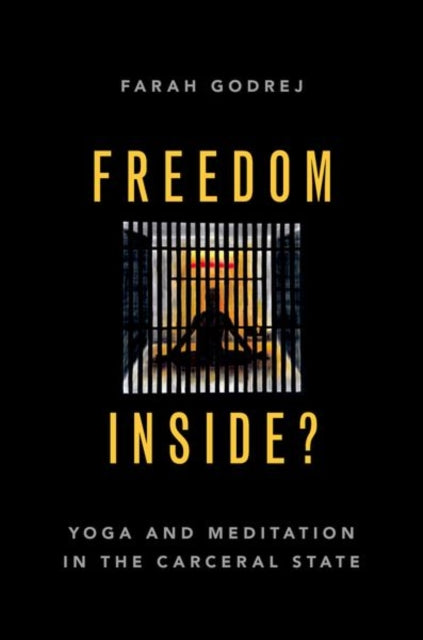
Freedom Inside?: Yoga and Meditation in the Carceral State
Freedom Inside?: Yoga and Meditation in the Carceral State
💎 Earn 89 Points (£0.89) on this item.
YOU SAVE £1.07
- Condition: Brand new
- UK Delivery times: Usually arrives within 2 - 3 working days
- UK Shipping: Fee starts at £3.89. Subject to product weight & dimension
Bulk ordering. Want 15 or more copies? Get a personalised quote and bigger discounts. Learn more about bulk orders.
Couldn't load pickup availability
- More about Freedom Inside?: Yoga and Meditation in the Carceral State
Yoga is a popular practice in the US, generating over $9 billion annually and being practiced by forty million people. It is also widely practiced in prisons, where it is offered as a form of rehabilitation. Critics argue that yoga can have disempowering effects, but it can also heighten people's attention to structural violence, hierarchy, racism, and inequity. Farah Godrej's book "Freedom Inside?" examines the promises and pitfalls of yoga and meditation in prisons, revealing how incarcerated persons have used them to resist the dehumanizing effects of prisons and to heighten their awareness of institutional racism and mass incarceration.
Format: Paperback / softback
Length: 368 pages
Publication date: 18 June 2023
Publisher: Oxford University Press Inc
Yoga is a popular practice in the United States, with an estimated forty million people regularly practicing it. The industry generates over nine billion dollars annually, and its popularity is attributed to its promise of mental and physical well-being. Yoga and meditation are considered spiritual paths to self-improvement, and they are widely practiced in prisons as a form of rehabilitation. However, critics argue that these practices can have disempowering effects due to their emphasis on acceptance, non-judgment, and non-reaction. If the root of suffering is in the mind, as the philosophy behind yoga and meditation suggests, then injustice, including mass incarceration, may be reduced to a mental state requiring coping techniques rather than a more critical mindset.
On the other hand, some argue that yoga can heighten people's attention to structural violence, hierarchy, racism, and inequity. In fact, some of history's most radical activists, such as M.K. Gandhi and Thich Nhat Hanh, traced their ethical and political commitments to their grounding in yogic or meditative traditions.
Yoga and meditation programs offer crucial respite for those who are incarcerated, but what sort of political effects do they have? Do they reinforce the neoliberal logic of mass incarceration, which emphasizes individual choices, or can they assist marginalized people in navigating systemic injustice? Drawing on collaborations with incarcerated practitioners, interviews with volunteers and formerly incarcerated practitioners, and her own fieldwork with organizations offering yoga/meditation classes inside prisons, Farah Godrej examines both the promises and pitfalls of yoga and meditation.
In her book, "Freedom Inside?," Godrej reveals the way in which yoga and meditation can be used to promote social justice and reduce mass incarceration. She argues that yoga and meditation can provide a sense of empowerment and self-awareness for those who are incarcerated, helping them to navigate the challenges of prison life and prepare for re-entry into society. Godrej also highlights the ways in which yoga and meditation can be used to address the root causes of crime, such as poverty, trauma, and addiction.
One of the key insights of "Freedom Inside?" is that yoga and meditation can be used to promote empathy and compassion for those who are incarcerated. By practicing mindfulness and self-awareness, incarcerated practitioners can develop a deeper understanding of their own experiences and the experiences of others. This can lead to a greater sense of empathy and compassion for those who are marginalized and oppressed, and can help to break down the barriers of discrimination and inequality.
Another important aspect of "Freedom Inside?" is that yoga and meditation can be used to promote community and connection among incarcerated practitioners. By practicing together and sharing their experiences, incarcerated practitioners can develop a sense of belonging and support, which can be crucial for their mental and emotional well-being. This can also help to build bridges between incarcerated and non-incarcerated communities, promoting greater understanding and empathy for each other.
However, "Freedom Inside?" also acknowledges that yoga and meditation can have limitations and challenges. One of the biggest challenges is the lack of access to yoga and meditation programs in prisons. Many prisons do not offer yoga or meditation classes, or they offer limited access to these programs. This can limit the ability of incarcerated practitioners to benefit from these practices and can contribute to the perpetuation of mass incarceration.
Another challenge is the cultural and social stigma associated with yoga and meditation. Many people view yoga and meditation as exotic or new-age practices, and they may be skeptical of their benefits or their appropriateness in prison settings. This can limit the willingness of incarcerated practitioners to participate in yoga and meditation programs and can contribute to the perpetuation of stereotypes and discrimination.
Despite these challenges, "Freedom Inside?" argues that yoga and meditation can be powerful tools for promoting social justice and reducing mass incarceration. By providing a sense of empowerment and self-awareness for incarcerated practitioners, by promoting empathy and compassion for those who are marginalized and oppressed, and by promoting community and connection among incarcerated practitioners, yoga and meditation can help to break down the barriers of discrimination and inequality and promote greater understanding and empathy for each other.
In conclusion, yoga and meditation are popular practices in the United States, with an estimated forty million people regularly practicing them. The industry generates over nine billion dollars annually, and its popularity is attributed to its promise of mental and physical well-being. Yoga and meditation are considered spiritual paths to self-improvement, and they are widely practiced in prisons as a form of rehabilitation. However, critics argue that these practices can have disempowering effects due to their emphasis on acceptance, non-judgment, and non-reaction.
On the other hand, some argue that yoga can heighten people's attention to structural violence, hierarchy, racism, and inequity. In fact, some of history's most radical activists, such as M.K. Gandhi and Thich Nhat Hanh, traced their ethical and political commitments to their grounding in yogic or meditative traditions.
Yoga and meditation programs offer crucial respite for those who are incarcerated, but what sort of political effects do they have? Do they reinforce the neoliberal logic of mass incarceration, which emphasizes individual choices, or can they assist marginalized people in navigating systemic injustice? Drawing on collaborations with incarcerated practitioners, interviews with volunteers and formerly incarcerated practitioners, and her own fieldwork with organizations offering yoga/meditation classes inside prisons, Farah Godrej examines both the promises and pitfalls of yoga and meditation.
In her book, "Freedom Inside?," Godrej reveals the way in which yoga and meditation can be used to promote social justice and reduce mass incarceration. She argues that yoga and meditation can provide a sense of empowerment and self-awareness for those who are incarcerated, helping them to navigate the challenges of prison life and prepare for re-entry into society. Godrej also highlights the ways in which yoga and meditation can be used to address the root causes of crime, such as poverty, trauma, and addiction.
One of the key insights of "Freedom Inside?" is that yoga and meditation can be used to promote empathy and compassion for those who are incarcerated. By practicing mindfulness and self-awareness, incarcerated practitioners can develop a deeper understanding of their own experiences and the experiences of others. This can lead to a greater sense of empathy and compassion for those who are marginalized and oppressed, and can help to break down the barriers of discrimination and inequality.
Another important aspect of "Freedom Inside?" is that yoga and meditation can be used to promote community and connection among incarcerated practitioners. By practicing together and sharing their experiences, incarcerated practitioners can develop a sense of belonging and support, which can be crucial for their mental and emotional well-being. This can also help to build bridges between incarcerated and non-incarcerated communities, promoting greater understanding and empathy for each other.
However, "Freedom Inside?" also acknowledges that yoga and meditation can have limitations and challenges. One of the biggest challenges is the lack of access to yoga and meditation programs in prisons. Many prisons do not offer yoga or meditation classes, or they offer limited access to these programs. This can limit the ability of incarcerated practitioners to benefit from these practices and can contribute to the perpetuation of mass incarceration.
Another challenge is the cultural and social stigma associated with yoga and meditation. Many people view yoga and meditation as exotic or new-age practices, and they may be skeptical of their benefits or their appropriateness in prison settings. This can limit the willingness of incarcerated practitioners to participate in yoga and meditation programs and can contribute to the perpetuation of stereotypes and discrimination.
Despite these challenges, "Freedom Inside?" argues that yoga and meditation can be powerful tools for promoting social justice and reducing mass incarceration. By providing a sense of empowerment and self-awareness for incarcerated practitioners, by promoting empathy and compassion for those who are marginalized and oppressed, and by promoting community and connection among incarcerated practitioners, yoga and meditation can help to break down the barriers of discrimination and inequality and promote greater understanding and empathy for each other.
Weight: 584g
Dimension: 154 x 236 x 26 (mm)
ISBN-13: 9780190070090
UK and International shipping information
UK and International shipping information
We deliver throughout the United Kingdom and to 128 countries and territories worldwide, including the United States, Australia, Canada, Germany, Spain and France.