NickDunn,Dr PaulCureton
Future Cities: A Visual Guide
Future Cities: A Visual Guide
💎 Earn 227 Points (£2.27) on this item.
YOU SAVE £39.48
- Condition: Brand new
- UK Delivery times: Usually arrives within 2 - 3 working days
- UK Shipping: Fee starts at £2.39. Subject to product weight & dimension
Bulk ordering. Want 15 or more copies? Get a personalised quote and bigger discounts. Learn more about bulk orders.
Couldn't load pickup availability
- More about Future Cities: A Visual Guide
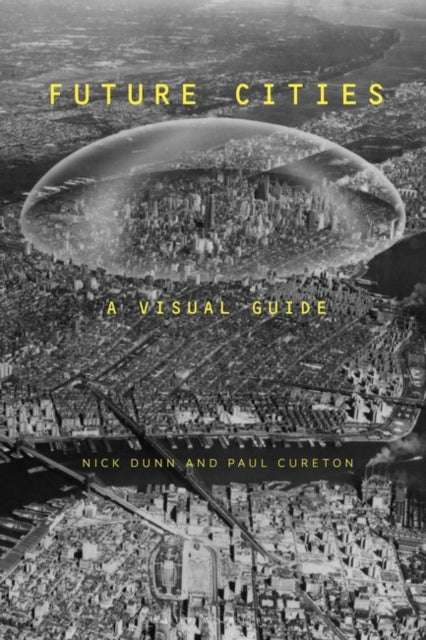
This book explores how cities of the future have been visualized and the implications for us. It provides a visual history of the future and explores the relationships between different visualization techniques and ideologies. It aims to contribute to a better understanding of the power and agency of visualizations for future cities.
Format: Hardback
Length: 224 pages
Publication date: 10 December 2020
Publisher: Bloomsbury Publishing PLC
The future of our cities is a subject of great interest and speculation, with many envisioning a world transformed by technology, climate change, and social trends. In this book, we explore the various ways in which cities may evolve over the next ten, twenty, or fifty years, and the challenges that they will face in the process.
One key theme is the increasing urbanization of the world, with more and more people moving to cities for work, education, and entertainment. This has led to a demand for more efficient and sustainable urban infrastructure, as well as a need for new forms of housing and transportation.
Another theme is the impact of technology on cities. From smart cities to autonomous vehicles, technology is changing the way we live, work, and interact with our environment. This has the potential to improve efficiency, reduce pollution, and create new opportunities for economic growth, but it also raises questions about privacy, security, and social inequality.
Climate change is also a major factor shaping the future of cities. Rising temperatures, changing weather patterns, and increasing sea levels are all posing threats to urban infrastructure and communities. This has led to a need for more sustainable practices in urban planning, such as green infrastructure, renewable energy, and climate adaptation strategies.
Social trends are also shaping the future of cities. Changing demographics, urbanization, and globalization are all leading to new forms of social inequality, cultural diversity, and social cohesion. This has the potential to create new opportunities for social mobility and innovation, but it also requires new forms of social policy and governance.
In addition to these themes, the book also explores the role of visualisation in shaping our understanding of the future of cities. Visualisation techniques such as renderings, models, and simulations can help us imagine and explore the potential impacts of different policies and interventions on urban spaces. This can help us identify potential risks and opportunities, and inform decision-making processes.
Overall, this book provides a comprehensive survey and analysis of visions for future cities, and engages creatively with how we perceive tomorrows world and future studies more widely. It is a valuable resource for policymakers, urban planners, designers, and anyone interested in the future of our cities.
The future of our cities is a subject of great interest and speculation, with many envisioning a world transformed by technology, climate change, and social trends. In this book, we explore the various ways in which cities may evolve over the next ten, twenty, or fifty years, and the challenges that they will face in the process.
One key theme is the increasing urbanization of the world, with more and more people moving to cities for work, education, and entertainment. This has led to a demand for more efficient and sustainable urban infrastructure, as well as a need for new forms of housing and transportation.
Another theme is the impact of technology on cities. From smart cities to autonomous vehicles, technology is changing the way we live, work, and interact with our environment. This has the potential to improve efficiency, reduce pollution, and create new opportunities for economic growth, but it also raises questions about privacy, security, and social inequality.
Climate change is also a major factor shaping the future of cities. Rising temperatures, changing weather patterns, and increasing sea levels are all posing threats to urban infrastructure and communities. This has led to a need for more sustainable practices in urban planning, such as green infrastructure, renewable energy, and climate adaptation strategies.
Social trends are also shaping the future of cities. Changing demographics, urbanization, and globalization are all leading to new forms of social inequality, cultural diversity, and social cohesion. This has the potential to create new opportunities for social mobility and innovation, but it also requires new forms of social policy and governance.
In addition to these themes, the book also explores the role of visualisation in shaping our understanding of the future of cities. Visualisation techniques such as renderings, models, and simulations can help us imagine and explore the potential impacts of different policies and interventions on urban spaces. This can help us identify potential risks and opportunities, and inform decision-making processes.
Overall, this book provides a comprehensive survey and analysis of visions for future cities, and engages creatively with how we perceive tomorrows world and future studies more widely. It is a valuable resource for policymakers, urban planners, designers, and anyone interested in the future of our cities.
The future of our cities is a subject of great interest and speculation, with many envisioning a world transformed by technology, climate change, and social trends. In this book, we explore the various ways in which cities may evolve over the next ten, twenty, or fifty years, and the challenges that they will face in the process.
One key theme is the increasing urbanization of the world, with more and more people moving to cities for work, education, and entertainment. This has led to a demand for more efficient and sustainable urban infrastructure, as well as a need for new forms of housing and transportation.
Another theme is the impact of technology on cities. From smart cities to autonomous vehicles, technology is changing the way we live, work, and interact with our environment. This has the potential to improve efficiency, reduce pollution, and create new opportunities for economic growth, but it also raises questions about privacy, security, and social inequality.
Climate change is also a major factor shaping the future of cities. Rising temperatures, changing weather patterns, and increasing sea levels are all posing threats to urban infrastructure and communities. This has led to a need for more sustainable practices in urban planning, such as green infrastructure, renewable energy, and climate adaptation strategies.
Social trends are also shaping the future of cities. Changing demographics, urbanization, and globalization are all leading to new forms of social inequality, cultural diversity, and social cohesion. This has the potential to create new opportunities for social mobility and innovation, but it also requires new forms of social policy and governance.
In addition to these themes, the book also explores the role of visualisation in shaping our understanding of the future of cities. Visualisation techniques such as renderings, models, and simulations can help us imagine and explore the potential impacts of different policies and interventions on urban spaces. This can help us identify potential risks and opportunities, and inform decision-making processes.
Overall, this book provides a comprehensive survey and analysis of visions for future cities, and engages creatively with how we perceive tomorrows world and future studies more widely. It is a valuable resource for policymakers, urban planners, designers, and anyone interested in the future of our cities.
The future of our cities is a subject of great interest and speculation, with many envisioning a world transformed by technology, climate change, and social trends. In this book, we explore the various ways in which cities may evolve over the next ten, twenty, or fifty years, and the challenges that they will face in the process.
One key theme is the increasing urbanization of the world, with more and more people moving to cities for work, education, and entertainment. This has led to a demand for more efficient and sustainable urban infrastructure, as well as a need for new forms of housing and transportation.
Another theme is the impact of technology on cities. From smart cities to autonomous vehicles, technology is changing the way we live, work, and interact with our environment. This has the potential to improve efficiency, reduce pollution, and create new opportunities for economic growth, but it also raises questions about privacy, security, and social inequality.
Climate change is also a major factor shaping the future of cities. Rising temperatures, changing weather patterns, and increasing sea levels are all posing threats to urban infrastructure and communities. This has led to a need for more sustainable practices in urban planning, such as green infrastructure, renewable energy, and climate adaptation strategies.
Social trends are also shaping the future of cities. Changing demographics, urbanization, and globalization are all leading to new forms of social inequality, cultural diversity, and social cohesion. This has the potential to create new opportunities for social mobility and innovation, but it also requires new forms of social policy and governance.
In addition to these themes, the book also explores the role of visualisation in shaping our understanding of the future of cities. Visualisation techniques such as renderings, models, and simulations can help us imagine and explore the potential impacts of different policies and interventions on urban spaces. This can help us identify potential risks and opportunities, and inform decision-making processes.
Overall, this book provides a comprehensive survey and analysis of visions for future cities, and engages creatively with how we perceive tomorrows world and future studies more widely. It is a valuable resource for policymakers, urban planners, designers, and anyone interested in the future of our cities.
The future of our cities is a subject of great interest and speculation, with many envisioning a world transformed by technology, climate change, and social trends. In this book, we explore the various ways in which cities may evolve over the next ten, twenty, or fifty years, and the challenges that they will face in the process.
One key theme is the increasing urbanization of the world, with more and more people moving to cities for work, education, and entertainment. This has led to a demand for more efficient and sustainable urban infrastructure, as well as a need for new forms of housing and transportation.
Another theme is the impact of technology on cities. From smart cities to autonomous vehicles, technology is changing the way we live, work, and interact with our environment. This has the potential to improve efficiency, reduce pollution, and create new opportunities for economic growth, but it also raises questions about privacy, security, and social inequality.
Climate change is also a major factor shaping the future of cities. Rising temperatures, changing weather patterns, and increasing sea levels are all posing threats to urban infrastructure and communities. This has led to a need for more sustainable practices in urban planning, such as green infrastructure, renewable energy, and climate adaptation strategies.
Social trends are also shaping the future of cities. Changing demographics, urbanization, and globalization are all leading to new forms of social inequality, cultural diversity, and social cohesion. This has the potential to create new opportunities for social mobility and innovation, but it also requires new forms of social policy and governance.
In addition to these themes, the book also explores the role of visualisation in shaping our understanding of the future of cities. Visualisation techniques such as renderings, models, and simulations can help us imagine and explore the potential impacts of different policies and interventions on urban spaces. This can help us identify potential risks and opportunities, and inform decision-making processes.
Overall, this book provides a comprehensive survey and analysis of visions for future cities, and engages creatively with how we perceive tomorrows world and future studies more widely. It is a valuable resource for policymakers, urban planners, designers, and anyone interested in the future of our cities.
The future of our cities is a subject of great interest and speculation, with many envisioning a world transformed by technology, climate change, and social trends. In this book, we explore the various ways in which cities may evolve over the next ten, twenty, or fifty years, and the challenges that they will face in the process.
One key theme is the increasing urbanization of the world, with more and more people moving to cities for work, education, and entertainment. This has led to a demand for more efficient and sustainable urban infrastructure, as well as a need for new forms of housing and transportation.
Another theme is the impact of technology on cities. From smart cities to autonomous vehicles, technology is changing the way we live, work, and interact with our environment. This has the potential to improve efficiency, reduce pollution, and create new opportunities for economic growth, but it also raises questions about privacy, security, and social inequality.
Climate change is also a major factor shaping the future of cities. Rising temperatures, changing weather patterns, and increasing sea levels are all posing threats to urban infrastructure and communities. This has led to a need for more sustainable practices in urban planning, such as green infrastructure, renewable energy, and climate adaptation strategies.
Social trends are also shaping the future of cities. Changing demographics, urbanization, and globalization are all leading to new forms of social inequality, cultural diversity, and social cohesion. This has the potential to create new opportunities for social mobility and innovation, but it also requires new forms of social policy and governance.
In addition to these themes, the book also explores the role of visualisation in shaping our understanding of the future of cities. Visualisation techniques such as renderings, models, and simulations can help us imagine and explore the potential impacts of different policies and interventions on urban spaces. This can help us identify potential risks and opportunities, and inform decision-making processes.
Overall, this book provides a comprehensive survey and analysis of visions for future cities, and engages creatively with how we perceive tomorrows world and future studies more widely. It is a valuable resource for policymakers, urban planners, designers, and anyone interested in the future of our cities.
The future of our cities is a subject of great interest and speculation, with many envisioning a world transformed by technology, climate change, and social trends. In this book, we explore the various ways in which cities may evolve over the next ten, twenty, or fifty years, and the challenges that they will face in the process.
One key theme is the increasing urbanization of the world, with more and more people moving to cities for work, education, and entertainment. This has led to a demand for more efficient and sustainable urban infrastructure, as well as a need for new forms of housing and transportation.
Another theme is the impact of technology on cities. From smart cities to autonomous vehicles, technology is changing the way we live, work, and interact with our environment. This has the potential to improve efficiency, reduce pollution, and create new opportunities for economic growth, but it also raises questions about privacy, security, and social inequality.
Climate change is also a major factor shaping the future of cities. Rising temperatures, changing weather patterns, and increasing sea levels are all posing threats to urban infrastructure and communities. This has led to a need for more sustainable practices in urban planning, such as green infrastructure, renewable energy, and climate adaptation strategies.
Social trends are also shaping the future of cities. Changing demographics, urbanization, and globalization are all leading to new forms of social inequality, cultural diversity, and social cohesion. This has the potential to create new opportunities for social mobility and innovation, but it also requires new forms of social policy and governance.
In addition to these themes, the book also explores the role of visualisation in shaping our understanding of the future of cities. Visualisation techniques such as renderings, models, and simulations can help us imagine and explore the potential impacts of different policies and interventions on urban spaces. This can help us identify potential risks and opportunities, and inform decision-making processes.
Overall, this book provides a comprehensive survey and analysis of visions for future cities, and engages creatively with how we perceive tomorrows world and future studies more widely. It is a valuable resource for policymakers, urban planners, designers, and anyone interested in the future of our cities.
The future of our cities is a subject of great interest and speculation, with many envisioning a world transformed by technology, climate change, and social trends. In this book, we explore the various ways in which cities may evolve over the next ten, twenty, or fifty years, and the challenges that they will face in the process.
One key theme is the increasing urbanization of the world, with more and more people moving to cities for work, education, and entertainment. This has led to a demand for more efficient and sustainable urban infrastructure, as well as a need for new forms of housing and transportation.
Another theme is the impact of technology on cities. From smart cities to autonomous vehicles, technology is changing the way we live, work, and interact with our environment. This has the potential to improve efficiency, reduce pollution, and create new opportunities for economic growth, but it also raises questions about privacy, security, and social inequality.
Climate change is also a major factor shaping the future of cities. Rising temperatures, changing weather patterns, and increasing sea levels are all posing threats to urban infrastructure and communities. This has led to a need for more sustainable practices in urban planning, such as green infrastructure, renewable energy, and climate adaptation strategies.
Social trends are also shaping the future of cities. Changing demographics, urbanization, and globalization are all leading to new forms of social inequality, cultural diversity, and social cohesion. This has the potential to create new opportunities for social mobility and innovation, but it also requires new forms of social policy and governance.
In addition to these themes, the book also explores the role of visualisation in shaping our understanding of the future of cities. Visualisation techniques such as renderings, models, and simulations can help us imagine and explore the potential impacts of different policies and interventions on urban spaces. This can help us identify potential risks and opportunities, and inform decision-making processes.
Overall, this book provides a comprehensive survey and analysis of visions for future cities, and engages creatively with how we perceive tomorrows world and future studies more widely. It is a valuable resource for policymakers, urban planners, designers, and anyone interested in the future of our cities.
The future of our cities is a subject of great interest and speculation, with many envisioning a world transformed by technology, climate change, and social trends. In this book, we explore the various ways in which cities may evolve over the next ten, twenty, or fifty years, and the challenges that they will face in the process.
One key theme is the increasing urbanization of the world, with more and more people moving to cities for work, education, and entertainment. This has led to a demand for more efficient and sustainable urban infrastructure, as well as a need for new forms of housing and transportation.
Another theme is the impact of technology on cities. From smart cities to autonomous vehicles, technology is changing the way we live, work, and interact with our environment. This has the potential to improve efficiency, reduce pollution, and create new opportunities for economic growth, but it also raises questions about privacy, security, and social inequality.
Climate change is also a major factor shaping the future of cities. Rising temperatures, changing weather patterns, and increasing sea levels are all posing threats to urban infrastructure and communities. This has led to a need for more sustainable practices in urban planning, such as green infrastructure, renewable energy, and climate adaptation strategies.
Social trends are also shaping the future of cities. Changing demographics, urbanization, and globalization are all leading to new forms of social inequality, cultural diversity, and social cohesion. This has the potential to create new opportunities for social mobility and innovation, but it also requires new forms of social policy and governance.
In addition to these themes, the book also explores the role of visualisation in shaping our understanding of the future of cities. Visualisation techniques such as renderings, models, and simulations can help us imagine and explore the potential impacts of different policies and interventions on urban spaces. This can help us identify potential risks and opportunities, and inform decision-making processes.
Overall, this book provides a comprehensive survey and analysis of visions for future cities, and engages creatively with how we perceive tomorrows world and future studies more widely. It is a valuable resource for policymakers, urban planners, designers, and anyone interested in the future of our cities.
The future of our cities is a subject of great interest and speculation, with many envisioning a world transformed by technology, climate change, and social trends. In this book, we explore the various ways in which cities may evolve over the next ten, twenty, or fifty years, and the challenges that they will face in the process.
One key theme is the increasing urbanization of the world, with more and more people moving to cities for work, education, and entertainment. This has led to a demand for more efficient and sustainable urban infrastructure, as well as a need for new forms of housing and transportation.
Another theme is the impact of technology on cities. From smart cities to autonomous vehicles, technology is changing the way we live, work, and interact with our environment. This has the potential to improve efficiency, reduce pollution, and create new opportunities for economic growth, but it also raises questions about privacy, security, and social inequality.
Climate change is also a major factor shaping the future of cities. Rising temperatures, changing weather patterns, and increasing sea levels are all posing threats to urban infrastructure and communities. This has led to a need for more sustainable practices in urban planning, such as green infrastructure, renewable energy, and climate adaptation strategies.
Social trends are also shaping the future of cities. Changing demographics, urbanization, and globalization are all leading to new forms of social inequality, cultural diversity, and social cohesion. This has the potential to create new opportunities for social mobility and innovation, but it also requires new forms of social policy and governance.
In addition to these themes, the book also explores the role of visualisation in shaping our understanding of the future of cities. Visualisation techniques such as renderings, models, and simulations can help us imagine and explore the potential impacts of different policies and interventions on urban spaces. This can help us identify potential risks and opportunities, and inform decision-making processes.
Overall, this book provides a comprehensive survey and analysis of visions for future cities, and engages creatively with how we perceive tomorrows world and future studies more widely. It is a valuable resource for policymakers, urban planners, designers, and anyone interested in the future of our cities.
Weight: 816g
Dimension: 196 x 253 x 18 (mm)
ISBN-13: 9781350011649
This item can be found in:
UK and International shipping information
UK and International shipping information
UK Delivery and returns information:
- Delivery within 2 - 3 days when ordering in the UK.
- Shipping fee for UK customers from £2.39. Fully tracked shipping service available.
- Returns policy: Return within 30 days of receipt for full refund.
International deliveries:
Shulph Ink now ships to Australia, Belgium, Canada, France, Germany, Ireland, Italy, India, Luxembourg Saudi Arabia, Singapore, Spain, Netherlands, New Zealand, United Arab Emirates, United States of America.
- Delivery times: within 5 - 10 days for international orders.
- Shipping fee: charges vary for overseas orders. Only tracked services are available for most international orders. Some countries have untracked shipping options.
- Customs charges: If ordering to addresses outside the United Kingdom, you may or may not incur additional customs and duties fees during local delivery.