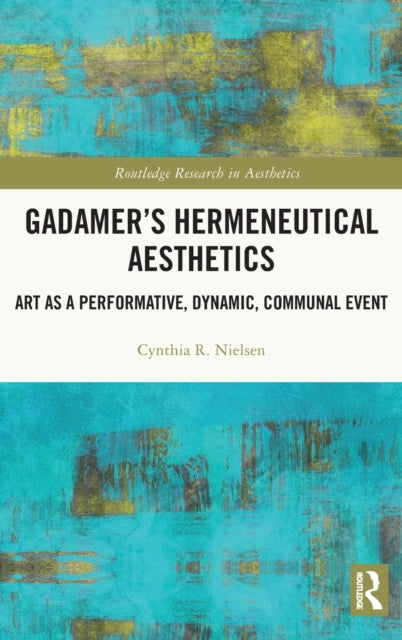
Cynthia R. Nielsen
Gadamer's Hermeneutical Aesthetics: Art as a Performative, Dynamic, Communal Event
Gadamer's Hermeneutical Aesthetics: Art as a Performative, Dynamic, Communal Event
💎 Earn 689 Points (£6.89) on this item.
We can order this item for you. Delivery usually takes about 4 to 6 weeks.
This item is not held in our immediate stock. We will order it for you after checkout.
Estimated delivery: About 4 to 6 weeks
YOU SAVE £8.18
- Condition: Brand new
- UK Delivery times: Usually arrives within 2 - 3 working days
- UK Shipping: Fee starts at £2.39. Subject to product weight & dimension
Bulk ordering. Want 15 or more copies? Get a personalised quote and bigger discounts. Learn more about bulk orders.
Couldn't load pickup availability
- More about Gadamer's Hermeneutical Aesthetics: Art as a Performative, Dynamic, Communal Event
This book provides a scholarly analysis of Gadamers reflections on art and our experience of art, examining themes such as play, festival, symbol, contemporaneity, enactment, performative ontology, and hermeneutical identity.
Format: Hardback
Length: 164 pages
Publication date: 14 October 2022
Publisher: Taylor & Francis Ltd
This book provides a comprehensive and in-depth scholarly exploration of Gadamers profound reflections on art and our engagement with it. It delves into fundamental themes within Gadamers hermeneutical aesthetics, including play, festival, symbol, contemporaneity, enactment, arts performative ontology, and hermeneutical identity.
Through meticulous analysis and interpretation, the book sheds light on the core ideas and concepts that shape Gadamers understanding of art. It examines how these themes resonate across different artistic disciplines and cultural contexts, offering valuable insights into the nature and significance of artistic expression.
The first chapter explores Gadamers concept of play, which he sees as a fundamental aspect of artistic creation. Play, according to Gadamers, involves a suspension of conventional rules and norms, allowing for the exploration of new possibilities and the generation of innovative ideas. The chapter examines how play manifests in various artistic forms, such as theater, dance, and visual art, and how it contributes to the transformative power of art.
The second chapter focuses on Gadamers notion of festival, which he sees as a communal and celebratory event that brings people together to engage with art. Festivals, according to Gadamers, serve as a platform for the presentation and interpretation of art, as well as a space for dialogue and debate. The chapter explores how festivals create a sense of community and promote cultural exchange, and how they contribute to the development of artistic traditions and practices.
The third chapter examines Gadamers concept of symbol, which he sees as a means of conveying meaning and creating connections between different aspects of life. Symbols, according to Gadamers, can be found in art, literature, religion, and everyday experiences, and they have the power to evoke emotions, provoke thought, and shape cultural identity. The chapter explores how symbols are used in various artistic forms to convey complex ideas and emotions, and how they contribute to the richness and depth of artistic expression.
The fourth chapter explores Gadamers concept of contemporaneity, which he sees as a fundamental aspect of artistic expression. Contemporaneity, according to Gadamers, involves the integration of past and present, tradition and innovation, and local and global perspectives. The chapter examines how contemporaneity manifests in various artistic forms, such as hybrid art, intercultural collaborations, and the use of digital technology.
The fifth chapter examines Gadamers concept of enactment, which he sees as the process of bringing art to life through performance and embodiment. Enactment, according to Gadamers, involves the fusion of the physical and the mental, the performer and the audience, and the material and the immaterial. The chapter explores how enactment contributes to the immersive and transformative experience of art, and how it allows for the exploration of complex and nuanced ideas.
The sixth chapter examines Gadamers concept of arts performative ontology, which he sees as a framework for understanding the nature of art and its relationship to the world. Arts performative ontology, according to Gadamers, involves the exploration of the performative aspects of art, such as its capacity to create meaning, its ability to engage with the audience, and its ability to transform the world. The chapter explores how arts performative ontology contributes to the understanding of art as a powerful tool for social and political change.
The final chapter examines Gadamers concept of hermeneutical identity, which he sees as the process of engaging with art and shaping one's own understanding and interpretation of it. Hermeneutical identity, according to Gadamers, involves the cultivation of a critical and reflective attitude towards art, as well as the development of a personal and unique interpretation of it. The chapter explores how hermeneutical identity contributes to the development of a deeper and more meaningful engagement with art.
In conclusion, this book offers a rich and insightful exploration of Gadamers reflections on art and our experience of it. It provides a comprehensive and nuanced understanding of the fundamental themes within Gadamers hermeneutical aesthetics, and it demonstrates the profound impact that his ideas have had on the field
This book provides a comprehensive and in-depth scholarly exploration of Gadamers profound reflections on art and our engagement with it. It delves into fundamental themes within Gadamers hermeneutical aesthetics, including play, festival, symbol, contemporaneity, enactment, arts performative ontology, and hermeneutical identity.
Through meticulous analysis and interpretation, the book sheds light on the core ideas and concepts that shape Gadamers understanding of art. It examines how these themes resonate across different artistic disciplines and cultural contexts, offering valuable insights into the nature and significance of artistic expression.
The first chapter explores Gadamers concept of play, which he sees as a fundamental aspect of artistic creation. Play, according to Gadamers, involves a suspension of conventional rules and norms, allowing for the exploration of new possibilities and the generation of innovative ideas. The chapter examines how play manifests in various artistic forms, such as theater, dance, and visual art, and how it contributes to the transformative power of art.
The second chapter focuses on Gadamers notion of festival, which he sees as a communal and celebratory event that brings people together to engage with art. Festivals, according to Gadamers, serve as a platform for the presentation and interpretation of art, as well as a space for dialogue and debate. The chapter explores how festivals create a sense of community and promote cultural exchange, and how they contribute to the development of artistic traditions and practices.
The third chapter examines Gadamers concept of symbol, which he sees as a means of conveying meaning and creating connections between different aspects of life. Symbols, according to Gadamers, can be found in art, literature, religion, and everyday experiences, and they have the power to evoke emotions, provoke thought, and shape cultural identity. The chapter explores how symbols are used in various artistic forms to convey complex ideas and emotions, and how they contribute to the richness and depth of artistic expression.
The fourth chapter explores Gadamers concept of contemporaneity, which he sees as a fundamental aspect of artistic expression. Contemporaneity, according to Gadamers, involves the integration of past and present, tradition and innovation, and local and global perspectives. The chapter examines how contemporaneity manifests in various artistic forms, such as hybrid art, intercultural collaborations, and the use of digital technology.
The fifth chapter examines Gadamers concept of enactment, which he sees as the process of bringing art to life through performance and embodiment. Enactment, according to Gadamers, involves the fusion of the physical and the mental, the performer and the audience, and the material and the immaterial. The chapter explores how enactment contributes to the immersive and transformative experience of art, and how it allows for the exploration of complex and nuanced ideas.
The sixth chapter examines Gadamers concept of arts performative ontology, which he sees as a framework for understanding the nature of art and its relationship to the world. Arts performative ontology, according to Gadamers, involves the exploration of the performative aspects of art, such as its capacity to create meaning, its ability to engage with the audience, and its ability to transform the world. The chapter explores how arts performative ontology contributes to the understanding of art as a powerful tool for social and political change.
The final chapter examines Gadamers concept of hermeneutical identity, which he sees as the process of engaging with art and shaping one's own understanding and interpretation of it. Hermeneutical identity, according to Gadamers, involves the cultivation of a critical and reflective attitude towards art, as well as the development of a personal and unique interpretation of it. The chapter explores how hermeneutical identity contributes to the development of a deeper and more meaningful engagement with art.
In conclusion, this book offers a rich and insightful exploration of Gadamers reflections on art and our experience of it. It provides a comprehensive and nuanced understanding of the fundamental themes within Gadamers hermeneutical aesthetics, and it demonstrates the profound impact that his ideas have had on the field of art and aesthetics.
Weight: 480g
Dimension: 229 x 152 (mm)
ISBN-13: 9781032020372
This item can be found in:
UK and International shipping information
UK and International shipping information
UK Delivery and returns information:
- Delivery within 2 - 3 days when ordering in the UK.
- Shipping fee for UK customers from £2.39. Fully tracked shipping service available.
- Returns policy: Return within 30 days of receipt for full refund.
International deliveries:
Shulph Ink now ships to Australia, Belgium, Canada, France, Germany, Ireland, Italy, India, Luxembourg Saudi Arabia, Singapore, Spain, Netherlands, New Zealand, United Arab Emirates, United States of America.
- Delivery times: within 5 - 10 days for international orders.
- Shipping fee: charges vary for overseas orders. Only tracked services are available for most international orders. Some countries have untracked shipping options.
- Customs charges: If ordering to addresses outside the United Kingdom, you may or may not incur additional customs and duties fees during local delivery.