John C. Kricher,Kevin Loughlin
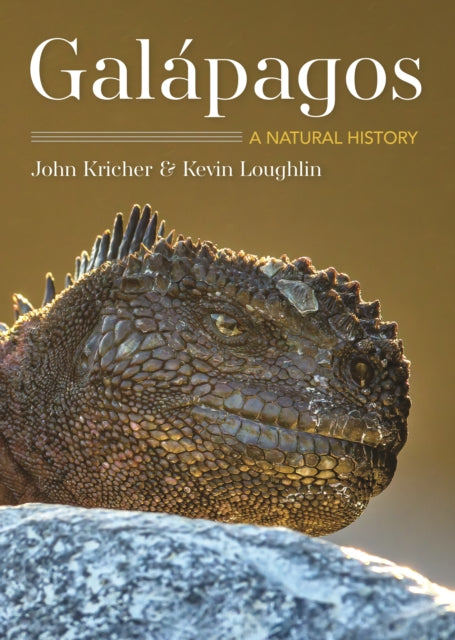
Galapagos: A Natural History Second Edition
Galapagos: A Natural History Second Edition
💎 Earn 140 Points (£1.40) on this item.
YOU SAVE £6.92
- Condition: Brand new
- UK Delivery times: Usually arrives within 2 - 3 working days
- UK Shipping: Fee starts at £2.39. Subject to product weight & dimension
Bulk ordering. Want 15 or more copies? Get a personalised quote and bigger discounts. Learn more about bulk orders.
Couldn't load pickup availability
- More about Galapagos: A Natural History Second Edition
Galápagos is a comprehensive, up-to-date, and profusely illustrated natural history of the islands, with detailed accounts and more than 650 color photographs of habitats, marine life, reptiles, birds, mammals, and plants. It has been revised by experts John Kricher and Kevin Loughlin and includes a detailed island-by-island guide, making it essential reading for ecotravelers and nature enthusiasts.
Format: Paperback / softback
Length: 496 pages
Publication date: 29 November 2022
Publisher: Princeton University Press
Galápagos, a breathtaking archipelago, is a captivating destination for nature enthusiasts and ecotravelers alike. This comprehensive natural history, thoroughly revised and expanded, offers an in-depth exploration of its diverse habitats, marine life, reptiles, birds, mammals, and plants. With over 650 stunning color photographs, the book takes readers on a virtual nature tour, showcasing the islands' unique beauty and ecological wonders.
Galápagos experts John Kricher and Kevin Loughlin have dedicated themselves to updating the original text, ensuring that it remains the most authoritative and comprehensive guide to the islands. The book is organized into individual chapters that cover various aspects of the archipelago, including geology, ecology, human history, Darwin's finches, Galápagos tortoises, marine and land iguanas, mammals, seabirds, landbirds, marine life, and conservation challenges and initiatives. Each chapter provides detailed accounts and captivating photographs, making it an invaluable resource for both researchers and casual readers.
One of the standout features of Galápagos is its diverse geology. The islands are formed by volcanic eruptions and have a unique landscape, with towering cliffs, volcanic craters, and lush rainforests. The book delves into the geological history of the islands, explaining how they have evolved over millions of years and the impact of human activities on their environment. It also highlights the unique geological features that make Galápagos a paradise for wildlife, including the famous Galápagos penguins, marine iguanas, and giant tortoises.
The ecology of Galápagos is equally fascinating. The archipelago is home to a wide range of plant and animal species, many of which are endemic to the islands. The book explores the various ecosystems present in Galápagos, including coral reefs, mangrove forests, and highland forests. It provides detailed information on the adaptations of these species to their unique environments, as well as the threats they face from human activities and climate change.
Darwin's finches, a group of birds that evolved on the Galápagos Islands, are a testament to the power of natural selection. The book delves into the history and biology of these birds, explaining how they adapted to different environments and how Darwin's observations of them led to his theory of natural selection. It also highlights the ongoing research on these birds, which is shedding light on the evolution of species and the mechanisms of adaptation.
Galápagos tortoises are another iconic species that call the archipelago home. The book provides detailed information on these ancient reptiles, including their biology, behavior, and conservation status. It also explores the efforts to protect and restore their populations, which are facing threats from habitat loss, poaching, and climate change.
Marine and land iguanas are also prominent inhabitants of Galápagos. The book provides detailed information on their biology, behavior, and distribution, as well as the threats they face from human activities and predation. It also highlights the importance of conservation efforts to protect these species and their habitats.
Seabirds and landbirds are abundant in Galápagos, and the book provides detailed information on their biology, behavior, and distribution. It also explores the importance of these species in the ecosystem, including their role in pollination, seed dispersal, and predator control.
Marine life in Galápagos is diverse and rich, with a wide range of species including sharks, sea lions, dolphins, and whales. The book provides detailed information on these marine mammals, including their biology, behavior, and conservation status. It also highlights the importance of protecting the marine ecosystem and the threats it faces from overfishing, pollution, and climate change.
Conservation challenges and initiatives in Galápagos are numerous and diverse. The book explores the efforts of local communities, governments, and international organizations to protect and restore the archipelago's natural resources. It also highlights the importance of sustainable tourism and responsible wildlife management to ensure the long-term sustainability of the archipelago.
In conclusion, Galápagos is a paradise for nature enthusiasts and ecotravelers alike. This comprehensive natural history, with its stunning photographs and detailed information, provides an in-depth exploration of the archipelago's diverse habitats, marine life, reptiles, birds, mammals, and plants. Whether you are a researcher, a traveler, or simply someone who loves nature, Galápagos is a must-read for anyone who wants to learn more about this incredible destination.
Galápagos is a breathtaking archipelago that boasts a rich and diverse natural history. This comprehensive natural history, thoroughly revised and expanded, offers an in-depth exploration of its diverse habitats, marine life, reptiles, birds, mammals, and plants. With over 650 stunning color photographs, the book takes readers on a virtual nature tour, showcasing the islands' unique beauty and ecological wonders.
Galápagos experts John Kricher and Kevin Loughlin have dedicated themselves to updating the original text, ensuring that it remains the most authoritative and comprehensive guide to the islands. The book is organized into individual chapters that cover various aspects of the archipelago, including geology, ecology, human history, Darwin's finches, Galápagos tortoises, marine and land iguanas, mammals, seabirds, landbirds, marine life, and conservation challenges and initiatives. Each chapter provides detailed accounts and captivating photographs, making it an invaluable resource for both researchers and casual readers.
One of the standout features of Galápagos is its diverse geology. The islands are formed by volcanic eruptions and have a unique landscape, with towering cliffs, volcanic craters, and lush rainforests. The book delves into the geological history of the islands, explaining how they have evolved over millions of years and the impact of human activities on their environment. It also highlights the unique geological features that make Galápagos a paradise for wildlife, including the famous Galápagos penguins, marine iguanas, and giant tortoises.
The ecology of Galápagos is equally fascinating. The archipelago is home to a wide range of plant and animal species, many of which are endemic to the islands. The book explores the various ecosystems present in Galápagos, including coral reefs, mangrove forests, and highland forests. It provides detailed information on the adaptations of these species to their unique environments, as well as the threats they face from human activities and climate change.
Darwin's finches, a group of birds that evolved on the Galápagos Islands, are a testament to the power of natural selection. The book delves into the history and biology of these birds, explaining how they adapted to different environments and how Darwin's observations of them led to his theory of natural selection. It also highlights the ongoing research on these birds, which is shedding light on the evolution of species and the mechanisms of adaptation.
Galápagos tortoises are another iconic species that call the archipelago home. The book provides detailed information on these ancient reptiles, including their biology, behavior, and conservation status. It also explores the efforts to protect and restore their populations, which are facing threats from habitat loss, poaching, and climate change.
Marine and land iguanas are also prominent inhabitants of Galápagos. The book provides detailed information on their biology, behavior, and distribution, as well as the threats they face from human activities and predation. It also highlights the importance of conservation efforts to protect these species and their habitats.
Seabirds and landbirds are abundant in Galápagos, and the book provides detailed information on their biology, behavior, and distribution. It also explores the importance of these species in the ecosystem, including their role in pollination, seed dispersal, and predator control.
Marine life in Galápagos is diverse and rich, with a wide range of species including sharks, sea lions, dolphins, and whales. The book provides detailed information on these marine mammals, including their biology, behavior, and conservation status. It also highlights the importance of protecting the marine ecosystem and the threats it faces from overfishing, pollution, and climate change.
Conservation challenges and initiatives in Galápagos are numerous and diverse. The book explores the efforts of local communities, governments, and international organizations to protect and restore the archipelago's natural resources. It also highlights the importance of sustainable tourism and responsible wildlife management to ensure the long-term sustainability of the archipelago.
In conclusion, Galápagos is a paradise for nature enthusiasts and ecotravelers alike. This comprehensive natural history, with its stunning photographs and detailed information, provides an in-depth exploration of the archipelago's diverse habitats, marine life, reptiles, birds, mammals, and plants. Whether you are a researcher, a traveler, or simply someone who loves nature, Galápagos is a must-read for anyone who wants to learn more about this incredible destination.
Weight: 1136g
Dimension: 160 x 216 x 36 (mm)
ISBN-13: 9780691217246
This item can be found in:
UK and International shipping information
UK and International shipping information
UK Delivery and returns information:
- Delivery within 2 - 3 days when ordering in the UK.
- Shipping fee for UK customers from £2.39. Fully tracked shipping service available.
- Returns policy: Return within 30 days of receipt for full refund.
International deliveries:
Shulph Ink now ships to Australia, Belgium, Canada, France, Germany, Ireland, Italy, India, Luxembourg Saudi Arabia, Singapore, Spain, Netherlands, New Zealand, United Arab Emirates, United States of America.
- Delivery times: within 5 - 10 days for international orders.
- Shipping fee: charges vary for overseas orders. Only tracked services are available for most international orders. Some countries have untracked shipping options.
- Customs charges: If ordering to addresses outside the United Kingdom, you may or may not incur additional customs and duties fees during local delivery.