Shulph Ink
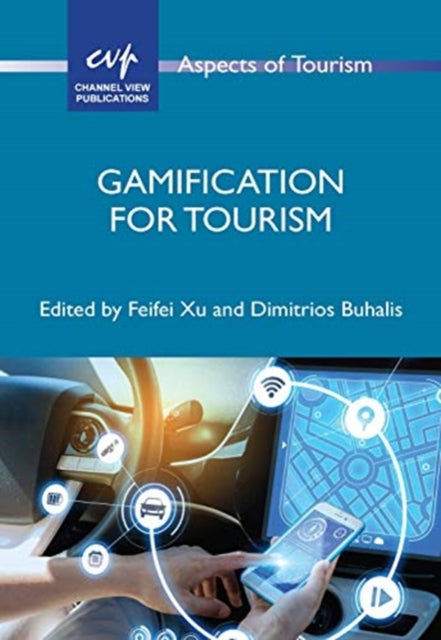
Gamification for Tourism
Gamification for Tourism
💎 Earn 185 Points (£1.85) on this item.
YOU SAVE £7.82
- Condition: Brand new
- UK Delivery times: Usually arrives within 2 - 3 working days
- UK Shipping: Fee starts at £3.89. Subject to product weight & dimension
Bulk ordering. Want 15 or more copies? Get a personalised quote and bigger discounts. Learn more about bulk orders.
Couldn't load pickup availability
- More about Gamification for Tourism
The book explores the concept of gamification in tourism, providing a theoretical foundation and practical examples from various countries. It focuses on game design elements, player types, and motivation, and discusses the application of augmented reality and virtual reality games. It is valuable for students, researchers, and industry practitioners seeking to enhance customer engagement, loyalty, and brand awareness.
Format: Paperback / softback
Length: 312 pages
Publication date: 10 May 2021
Publisher: Channel View Publications Ltd
This comprehensive book delves into the exciting realm of gamification in the tourism industry, offering a theoretical framework for its implementation. It explores the concepts of gaming and gamification, their relevance in the hospitality and tourism sector, and provides valuable insights through case studies and best practices from various countries. The chapters focus on key aspects such as game design elements, player types and motivations, location-based games, augmented reality and virtual reality applications, and more. Whether you're a student, researcher, or industry practitioner, this volume is a valuable resource for understanding the power of gamification in enhancing customer engagement, loyalty, and brand awareness. It serves as a catalyst for innovation and growth in the tourism industry.
Introduction:
Gamification, the integration of game elements and principles into non-game contexts, has gained significant attention in recent years. The tourism industry, recognizing the potential of gamification to enhance customer experiences, has embraced this concept as a means to attract and retain visitors. This book aims to provide a comprehensive examination of gamification in tourism, exploring its theoretical foundations, practical applications, and potential implications.
Theoretical Foundation:
Chapter 1 delves into the theoretical foundations of gamification in tourism. It discusses the concept of gaming, its historical evolution, and the characteristics that make it appealing to individuals. It also explores the concept of gamification, its definition, and the principles that guide its implementation. The chapter highlights the benefits of gamification in tourism, such as increased customer engagement, loyalty, and satisfaction.
Gaming and Gamification:
Chapter 2 provides a detailed overview of gaming and gamification. It explores the different types of games, game mechanics, and game design principles. It also discusses the role of technology in enhancing the gaming experience and the challenges associated with game development. The chapter highlights the application of gaming and gamification in tourism, such as loyalty programs, interactive tours, and virtual reality experiences.
Application in Tourism and Hospitality Industry:
Chapter 3 showcases best practices from various countries in the tourism and hospitality industry. It provides examples of successful gamification initiatives, such as loyalty programs, interactive tours, and virtual reality experiences. The chapter discusses the key factors that contribute to the success of gamification in these industries, such as user-friendly design, clear goals, and effective rewards.
Game Design Elements:
Chapter 4 focuses on game design elements that are essential for creating engaging and effective gamification experiences. It discusses the importance of storytelling, narrative, and character development in games. It also explores the use of visual design, sound effects, and user interface to enhance the gaming experience. The chapter provides practical tips for game designers and developers in the tourism industry.
Player Types and Motivation:
Chapter 5 explores the different types of players in gamification and their motivations. It discusses the concept of player profiling and the use of data analytics to understand player behavior and preferences. It also explores the use of game mechanics and rewards to motivate players and encourage them to engage with the game. The chapter highlights the importance of designing games that are accessible and inclusive to a wide range of players.
Location-Based Games:
Chapter 6 delves into the application of location-based games in tourism. It discusses the use of mobile devices and geolocation technology to create interactive and immersive experiences. It provides examples of location-based games that have been implemented in tourist destinations, such as scavenger hunts, treasure hunts, and virtual reality tours. The chapter discusses the challenges associated with location-based games and the potential for innovation in this area.
Augmented Reality and Virtual Reality Games:
Chapter 7 explores the use of augmented reality and virtual reality games in tourism. It discusses the benefits of these technologies in creating realistic and immersive experiences. It provides examples of augmented reality and virtual reality games that have been implemented in tourist destinations, such as virtual reality tours, interactive museum exhibits, and augmented reality scavenger hunts. The chapter discusses the challenges associated with these technologies and the potential for further development.
Conclusion:
In conclusion, this book provides a comprehensive examination of gamification in tourism. It offers a theoretical foundation for understanding the concept of gaming and gamification, discusses their application in the tourism and hospitality industry, and showcases best practices from various countries. The chapters provide valuable insights for students, researchers, and industry practitioners looking to increase customer engagement, enhance loyalty, and raise brand awareness. As the tourism industry continues to evolve, gamification will play an increasingly important role in shaping the future of the industry.
Weight: 472g
Dimension: 156 x 234 x 23 (mm)
ISBN-13: 9781845418229
UK and International shipping information
UK and International shipping information
We deliver throughout the United Kingdom and to 128 countries and territories worldwide, including the United States, Australia, Canada, Germany, Spain and France.