Shulph Ink
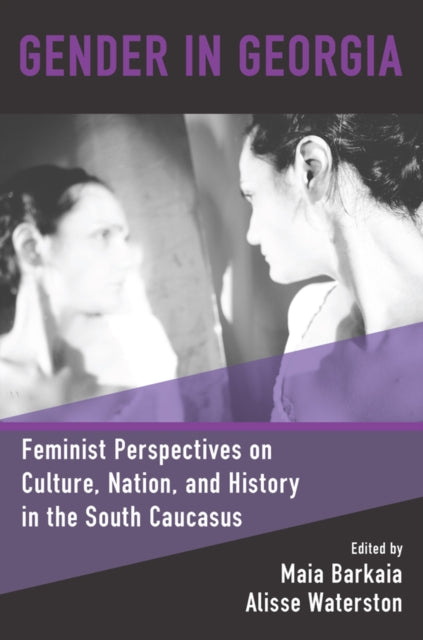
Gender in Georgia: Feminist Perspectives on Culture, Nation, and History in the South Caucasus
Gender in Georgia: Feminist Perspectives on Culture, Nation, and History in the South Caucasus
💎 Earn 119 Points (£1.19) on this item.
We can order this item for you. Delivery usually takes about 4 to 6 weeks.
This item is not held in our immediate stock. We will order it for you after checkout.
Estimated delivery: About 4 to 6 weeks
YOU SAVE £4.04
- Condition: Brand new
- UK Delivery times: Usually arrives within 2 - 3 working days
- UK Shipping: Fee starts at £2.39. Subject to product weight & dimension
Bulk ordering. Want 15 or more copies? Get a personalised quote and bigger discounts. Learn more about bulk orders.
Couldn't load pickup availability
- More about Gender in Georgia: Feminist Perspectives on Culture, Nation, and History in the South Caucasus
Georgian women are maneuvering, adjusting, resisting, and transforming the new economic, social, and political order in Georgia. Gender in Georgia is the first-ever woman-centered collection of research on Georgia, offering a feminist critique of power and an assessment of women's political agency.
Format: Paperback / softback
Length: 250 pages
Publication date: 17 September 2021
Publisher: Berghahn Books
As Georgia embarks on a transformative journey towards becoming a nation-state in the post-Soviet era, Georgian women are actively engaged in a complex dance of maneuvering, adapting, resisting, and reshaping the emerging economic, social, and political landscape. In Gender in Georgia, a groundbreaking compilation of scholarly insights edited by Maia Barkaia and Alisse Waterston, an international team of feminist scholars comes together to delve into the intricate socio-political and cultural factors that have shaped gender dynamics in Georgia throughout its history, spanning from the late 19th century to the present. Through their comprehensive analysis, the editors offer a pioneering woman-centered collection of research, providing a feminist critique of power in all its forms and assessing the political agency of women in Georgia.
The book explores the historical roots of gender inequality in Georgia, tracing the legacies of colonialism, Soviet rule, and post-Soviet transition. It sheds light on the societal norms, cultural practices, and political structures that have perpetuated gender disparities and hindered women's empowerment. The editors argue that gender inequality in Georgia is not solely a result of historical factors but also deeply embedded in contemporary social structures and institutions.
Gender in Georgia delves into various themes, including women's labor force participation, reproductive rights, gender-based violence, and women's political representation. The authors examine the challenges faced by Georgian women in accessing education, employment, healthcare, and leadership positions. They also explore the strategies employed by women to resist gender-based discrimination, advocate for their rights, and participate in the political process.
The book highlights the contributions of Georgian women to society, economy, and culture. It recognizes their resilience, creativity, and leadership in challenging traditional gender roles and advocating for gender equality. It also acknowledges the ongoing struggles and challenges faced by women in Georgia, including the lack of gender-sensitive policies, discrimination, and violence.
Gender in Georgia serves as a valuable resource for scholars, activists, policymakers, and anyone interested in understanding the complex dynamics of gender in Georgia and beyond. It provides a comprehensive analysis of gender issues, offers insights into women's experiences, and provides a roadmap for promoting gender equality and social justice in the region.
In conclusion, Gender in Georgia is a groundbreaking work that contributes significantly to our understanding of gender dynamics in Georgia and beyond. By offering a feminist critique of power and assessing women's political agency, the book provides a valuable resource for promoting gender equality and social justice in the region. As Georgia continues to evolve and transform, it is essential to engage with the issues of gender and empower women to participate fully in shaping the country's future.
As Georgia embarks on a transformative journey towards becoming a nation-state in the post-Soviet era, Georgian women are actively engaged in a complex dance of maneuvering, adapting, resisting, and reshaping the emerging economic, social, and political landscape. In Gender in Georgia, a groundbreaking compilation of scholarly insights edited by Maia Barkaia and Alisse Waterston, an international team of feminist scholars comes together to delve into the intricate socio-political and cultural factors that have shaped gender dynamics in Georgia throughout its history, spanning from the late 19th century to the present. Through their comprehensive analysis, the editors offer a pioneering woman-centered collection of research, providing a feminist critique of power in all its forms and assessing the political agency of women in Georgia.
The book explores the historical roots.roots of gender inequality in Georgia, tracing the legacies of colonialism, Soviet rule the, and post-Soviet transition. It sheds light on the societal norms, cultural practices, and political structures that have perpetuated gender disparities and hindered women's empowerment. The editors argue that gender inequality in Georgia is not solely a result of historical factors but also deeply embedded in contemporary social structures and institutions.
Gender in Georgia delves into various themes, including women's labor force participation, reproductive rights, gender-based violence, and women's political representation. The authors examine the challenges faced by Georgian women in accessing education, employment, healthcare, and leadership positions. They also explore the strategies employed by women to resist gender-based discrimination, advocate for their rights, and participate in the political process.
The book highlights the contributions of Georgian women to society, economy, and culture. It recognizes their resilience, creativity, and leadership in challenging traditional gender roles and advocating for gender equality. It also acknowledges the ongoing struggles and challenges faced by women in Georgia, including the lack of gender-sensitive policies, discrimination, and violence.
Gender in Georgia serves as a valuable resource for scholars, activists, policymakers, and anyone interested in understanding the complex dynamics of gender in Georgia and beyond. It provides a comprehensive analysis of gender issues, offers insights into women's experiences, and provides a roadmap for promoting gender equality and social justice in the region.
In conclusion, Gender in Georgia is a groundbreaking work that contributes significantly to our understanding of gender dynamics in Georgia and beyond. By offering a feminist critique of power and assessing women's political agency, the book provides a valuable resource for promoting gender equality and social justice in the region. As Georgia continues to evolve and transform, it is essential to engage with the issues of gender and empower women to participate fully in shaping the country's future.
Weight: 364g
Dimension: 150 x 228 x 19 (mm)
ISBN-13: 9781800732209
This item can be found in:
UK and International shipping information
UK and International shipping information
UK Delivery and returns information:
- Delivery within 2 - 3 days when ordering in the UK.
- Shipping fee for UK customers from £2.39. Fully tracked shipping service available.
- Returns policy: Return within 30 days of receipt for full refund.
International deliveries:
Shulph Ink now ships to Australia, Belgium, Canada, France, Germany, Ireland, Italy, India, Luxembourg Saudi Arabia, Singapore, Spain, Netherlands, New Zealand, United Arab Emirates, United States of America.
- Delivery times: within 5 - 10 days for international orders.
- Shipping fee: charges vary for overseas orders. Only tracked services are available for most international orders. Some countries have untracked shipping options.
- Customs charges: If ordering to addresses outside the United Kingdom, you may or may not incur additional customs and duties fees during local delivery.