Shulph Ink
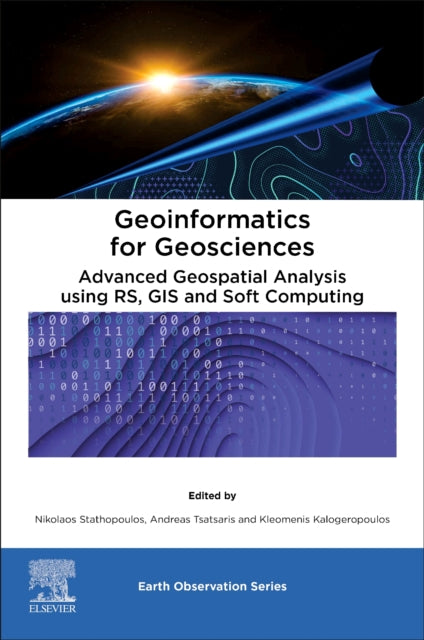
Geoinformatics for Geosciences: Advanced Geospatial Analysis using RS, GIS and Soft Computing
Geoinformatics for Geosciences: Advanced Geospatial Analysis using RS, GIS and Soft Computing
💎 Earn 617 Points (£6.17) on this item.
YOU SAVE £18.46
- Condition: Brand new
- UK Delivery times: Usually arrives within 2 - 3 working days
- UK Shipping: Fee starts at £2.39. Subject to product weight & dimension
Bulk ordering. Want 15 or more copies? Get a personalised quote and bigger discounts. Learn more about bulk orders.
Couldn't load pickup availability
- More about Geoinformatics for Geosciences: Advanced Geospatial Analysis using RS, GIS and Soft Computing
Geoinformatics for Geosciences: Advanced Geospatial Analysis using RS,GIS, and Soft Computing is a comprehensive guide to methodologies and techniques for Earth observation data assessments, geospatial analysis, and soft computing in the geosciences, covering environmental and climate issues, geomorphological data analysis, hazard and disaster impacts, natural and human resources, and socioeconomic challenges.
Format: Paperback / softback
Length: 404 pages
Publication date: 12 June 2023
Publisher: Elsevier - Health Sciences Division
Geoinformatics for Geosciences: Advanced Geospatial Analysis using RS,GIS and Soft Computing is a comprehensive guide to the methodologies and techniques that can be used in Earth observation data assessments, geospatial analysis, and soft computing in the geosciences. The book covers a wide range of spatiotemporal problems and topics in the areas of the environment, geohazards, urban analysis, health, pollution, climate change, resources, and geomorphology, among others. Sections cover environmental and climate issues, analysis of geomorphological data, hazard and disaster impacts, natural and human resources, the influence of environmental conditions, geohazards, climate change, geomorphological changes, etc., and socioeconomic challenges. Providing detailed up-to-date techniques in geoinformatics, this book offers in-depth, up-to-date methodologies for researchers and academics to understand how contemporary data can be combined with innovative techniques and tools to address challenges in the geosciences.
The book is divided into five parts, each focusing on a specific aspect of geoinformatics. Part I provides an introduction to geoinformatics and its applications in the geosciences. It covers the basics of remote sensing, GIS, and soft computing, as well as the principles of data collection, processing, and analysis. Part II explores the methodologies and techniques used in Earth observation data assessments. It covers topics such as satellite image analysis, ground-based sensors, and aerial photography, and discusses how these data can be used to identify and map environmental features and phenomena. Part III focuses on geospatial analysis, including spatial modeling, interpolation, and visualization. It covers topics such as kriging, inverse distance weighting, and spatial autocorrelation, and discusses how these techniques can be used to analyze and interpret spatial data. Part IV explores the use of soft computing in geoinformatics. It covers topics such as neural networks, fuzzy logic, and genetic algorithms, and discusses how these techniques can be used to solve complex problems and make informed decisions. Part V discusses the socioeconomic challenges associated with geoinformatics. It covers topics such as land use planning, resource management, and environmental impact assessment, and discusses how geoinformatics can be used to address these challenges and promote sustainable development.
Throughout the book, numerous case studies and examples are provided to illustrate the practical applications of the methodologies and techniques discussed. These case studies cover a wide range of topics, including environmental monitoring, urban planning, health analysis, and disaster response, and demonstrate how geoinformatics can be used to address real-world problems.
In conclusion, Geoinformatics for Geosciences: Advanced Geospatial Analysis using RS,GIS and Soft Computing is a valuable resource for researchers and academics interested in the field of geoinformatics. It provides a comprehensive and up-to-date introduction to the methodologies and techniques used in Earth observation data assessments, geospatial analysis, and soft computing in the geosciences. The book covers a wide range of topics and provides detailed examples and case studies to illustrate the practical applications of these techniques. Whether you are a novice or an experienced researcher, this book will help you to understand how contemporary data can be combined with innovative techniques and tools to address challenges in the geosciences.
Weight: 654g
Dimension: 152 x 229 x 22 (mm)
ISBN-13: 9780323989831
This item can be found in:
UK and International shipping information
UK and International shipping information
UK Delivery and returns information:
- Delivery within 2 - 3 days when ordering in the UK.
- Shipping fee for UK customers from £2.39. Fully tracked shipping service available.
- Returns policy: Return within 30 days of receipt for full refund.
International deliveries:
Shulph Ink now ships to Australia, Belgium, Canada, France, Germany, Ireland, Italy, India, Luxembourg Saudi Arabia, Singapore, Spain, Netherlands, New Zealand, United Arab Emirates, United States of America.
- Delivery times: within 5 - 10 days for international orders.
- Shipping fee: charges vary for overseas orders. Only tracked services are available for most international orders. Some countries have untracked shipping options.
- Customs charges: If ordering to addresses outside the United Kingdom, you may or may not incur additional customs and duties fees during local delivery.