Shulph Ink
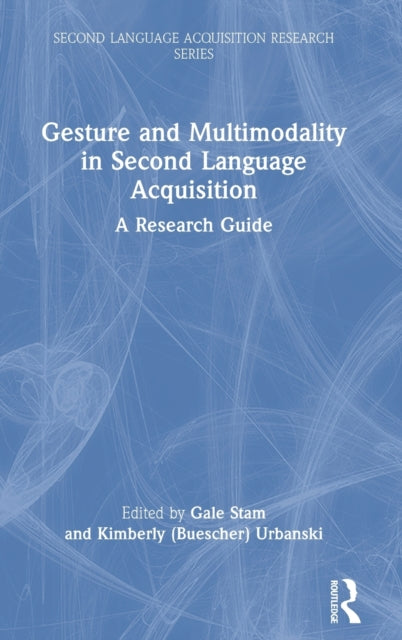
Gesture and Multimodality in Second Language Acquisition: A Research Guide
Gesture and Multimodality in Second Language Acquisition: A Research Guide
💎 Earn 811 Points (£8.11) on this item.
We can order this item for you. Delivery usually takes about 4 to 6 weeks.
This item is not held in our immediate stock. We will order it for you after checkout.
Estimated delivery: About 4 to 6 weeks
YOU SAVE £9.63
- Condition: Brand new
- UK Delivery times: Usually arrives within 2 - 3 working days
- UK Shipping: Fee starts at £2.39. Subject to product weight & dimension
Bulk ordering. Want 15 or more copies? Get a personalised quote and bigger discounts. Learn more about bulk orders.
Couldn't load pickup availability
- More about Gesture and Multimodality in Second Language Acquisition: A Research Guide
This text provides a comprehensive guide to analyzing gesture and multimodality in second language learning and teaching, with expert contributions from around the world and a rich array of pedagogical material. It is a valuable resource for students, faculty, and researchers in applied linguistics, communications, education, and psychology.
Format: Hardback
Length: 236 pages
Publication date: 30 September 2022
Publisher: Taylor & Francis Ltd
This comprehensive and timely text provides a comprehensive guide to analyzing gesture and multimodality in second language learning and teaching. Expert contributors from diverse global perspectives offer a theoretical foundation for each topic, accompanied by detailed descriptions of data collection and analysis methods across classroom, naturalistic, quasi-experimental, and experimental settings. Additionally, the book offers a wealth of supplementary pedagogical materials and highlights emerging areas for future research. This invaluable resource is designed to serve as a valuable resource for undergraduate and graduate students, faculty, and researchers in applied linguistics, communications, education, and psychology who are interested in gesture studies and multimodality in L2 learning and teaching.
Introduction:
The study of gesture and multimodality has gained significant attention in recent years, as researchers recognize the importance of nonverbal communication in language learning and teaching. Gesture plays a crucial role in conveying meaning, enhancing comprehension, and fostering social interaction, making it an essential component of language acquisition and communication. Multimodality, on the other hand, refers to the use of multiple modes of communication, such as voice, facial expressions, body language, and gestures, to convey information and express emotions.
Theoretical Basis:
The text begins by providing a theoretical framework for analyzing gesture and multimodality in second language learning and teaching. Expert contributors outline the key concepts, principles, and theories that underpin this field. They discuss the role of gesture in language production, comprehension, and social interaction, as well as the interplay between gesture and other modalities in language processing. The theoretical foundation is further enriched by exploring the cultural and social dimensions of gesture, including its variations across different languages, cultures, and contexts.
Data Collection and Analysis Methods:
The book then delves into the various methods and techniques for collecting and analyzing gesture data. It provides detailed descriptions of data collection tools, such as video recording, observational analysis, and self-report methods. The authors discuss the advantages and limitations of each method and provide guidance on how to ensure the validity and reliability of the data. Additionally, the text discusses the analysis of gesture data using qualitative and quantitative methods, such as discourse analysis, content analysis, and statistical analysis.
Classroom Settings:
The next section focuses on analyzing gesture and multimodality in classroom settings. The authors discuss the challenges and opportunities of using gesture in language teaching, including the impact of gesture on student engagement, attention, and learning outcomes. They offer practical strategies and techniques for incorporating gesture into language lessons, such as modeling, prompting, and feedback. The book also provides examples of classroom activities and exercises that promote gesture use and multimodal communication.
Naturalistic Settings:
The book also explores the analysis of gesture and multimodality in naturalistic settings, such as face-to-face interactions and online communication. The authors discuss the challenges and benefits of studying gesture in these contexts, including the need for careful observation and analysis. They provide examples of naturalistic data collection methods, such as ethnographic research and participant observation, and discuss the analysis of these data using qualitative and quantitative methods.
Quasi-Experimental and Experimental Settings:
The final section of the text focuses on analyzing gesture and multimodality in quasi-experimental and experimental settings. The authors discuss the advantages and limitations of these approaches, including the control of variables and the ability to isolate and measure the impact of gesture on language learning. They provide examples of quasi-experimental and experimental studies that have examined the effects of gesture on second language acquisition, comprehension, and production.
Pedagogical Materials and Future Research:
In addition to the theoretical and methodological discussions, the book offers a rich array of ancillary pedagogical materials. These include examples of gesture-based activities, lesson plans, and assessment tools that can be used in second language classrooms. The authors also identify areas ripe for future research in the field of gesture and multimodality, such as the development of new data collection methods, the exploration of gesture and multimodality in different language contexts, and the investigation of the long-term effects of gesture on language learning.
Conclusion:
In conclusion, this comprehensive and timely text provides a valuable resource for scholars, researchers, and practitioners interested in gesture and multimodality in second language learning and teaching. It offers a theoretical foundation, practical methods, and pedagogical materials to support the analysis of gesture and multimodality in diverse settings. By exploring the complexities of gesture and multimodality, the book contributes to our understanding of language acquisition, communication, and cultural diversity. As the field of gesture and multimodality continues to evolve, this text will remain an essential reference for anyone seeking to advance their knowledge and expertise in this area.
Dimension: 229 x 152 (mm)
ISBN-13: 9780367608378
UK and International shipping information
UK and International shipping information
UK Delivery and returns information:
- Delivery within 2 - 3 days when ordering in the UK.
- Shipping fee for UK customers from £2.39. Fully tracked shipping service available.
- Returns policy: Return within 30 days of receipt for full refund.
International deliveries:
Shulph Ink now ships to Australia, Belgium, Canada, France, Germany, Ireland, Italy, India, Luxembourg Saudi Arabia, Singapore, Spain, Netherlands, New Zealand, United Arab Emirates, United States of America.
- Delivery times: within 5 - 10 days for international orders.
- Shipping fee: charges vary for overseas orders. Only tracked services are available for most international orders. Some countries have untracked shipping options.
- Customs charges: If ordering to addresses outside the United Kingdom, you may or may not incur additional customs and duties fees during local delivery.