Shulph Ink
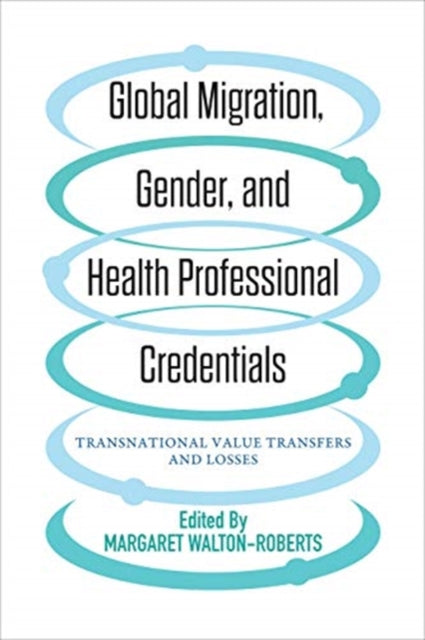
Global Migration, Gender, and Health Professional Credentials: Transnational Value Transfers and Losses
Global Migration, Gender, and Health Professional Credentials: Transnational Value Transfers and Losses
💎 Earn 272 Points (£2.72) on this item.
YOU SAVE £7.59
- Condition: Brand new
- UK Delivery times: Usually arrives within 2 - 3 working days
- UK Shipping: Fee starts at £2.39. Subject to product weight & dimension
Bulk ordering. Want 15 or more copies? Get a personalised quote and bigger discounts. Learn more about bulk orders.
Couldn't load pickup availability
- More about Global Migration, Gender, and Health Professional Credentials: Transnational Value Transfers and Losses
Global Migration, Gender, and Health Professional Credentials critically reimagines the transfer of value embodied in internationally educated health professionals (IEHPs) by exploring economistic and feminist concepts of global value transmission, the complexity of health worker migration, and the gendered and intersectional intricacies involved in the workplace integration of immigrant health care workers.
Format: Hardback
Length: 398 pages
Publication date: 17 March 2022
Publisher: University of Toronto Press
Global Migration, Gender, and Health Professional Credentials is a groundbreaking work that critically reexamines the concept of the transfer of value embodied in internationally educated health professionals (IEHPs). This comprehensive volume offers valuable insights into the economic and feminist perspectives of global value transmission, the intricate complexities of health worker migration, and the gendered and intersectional dynamics that shape the integration of immigrant health care workers into workplaces. Through a collection of insightful contributions, this edited volume uncovers the diverse range of actors involved in the creation, transmission, transformation, and utilization of the value inherent in international health migrants.
The first chapter, authored by renowned scholars, provides a comprehensive overview of the global migration of health professionals. It explores the motivations behind these migrations, the challenges faced by health workers in different migration contexts, and the policies and practices that impact their integration into healthcare systems. The chapter highlights the importance of understanding the economic and social factors that drive health worker migration and the ways in which these factors intersect with gender, race, and class.
The second chapter delves into the feminist perspectives of global value transmission. It examines how gender norms, power dynamics, and intersectionality shape the experiences and opportunities of IEHPs in the workplace. The chapter explores the gendered barriers to professional recognition, the gender-based discrimination faced by immigrant health care workers, and the strategies employed by these workers to overcome these challenges. It also examines the role of feminist organizations and movements in advocating for the rights and well-being of immigrant health care workers.
The third chapter explores the complexities of health worker migration from a global perspective. It examines the various factors that contribute to health worker migration, including economic incentives, political instability, and healthcare workforce shortages. The chapter also explores the impact of health worker migration on the receiving countries, including the potential benefits and challenges associated with the influx of foreign health professionals.
The fourth chapter focuses on the workplace integration of immigrant health care workers. It examines the challenges faced by these workers in accessing healthcare services, navigating cultural differences, and building relationships with patients and colleagues. The chapter also explores the strategies employed by healthcare organizations and policymakers to facilitate the integration of immigrant health care workers into the workforce.
The fifth chapter examines the role of health professional credentials in the global migration of health professionals. It explores the various accreditation and certification processes used by different countries to assess the qualifications and skills of IEHPs. The chapter also examines the challenges faced by immigrant health care workers in obtaining professional credentials and the strategies employed by these workers to overcome these barriers.
The sixth chapter explores the ethical implications of global health worker migration. It examines the ethical dilemmas faced by health professionals in different migration contexts, including issues of confidentiality, consent, and cultural sensitivity. The chapter also explores the ethical responsibilities of healthcare organizations and policymakers in ensuring the well-being and rights of immigrant health care workers.
The final chapter summarizes the key findings and implications of the book. It highlights the need for a more comprehensive and intersectional approach to understanding the global migration of health professionals and the importance of addressing the gendered and intersectional complexities involved in their integration into the workplace.
In conclusion, Global Migration, Gender, and Health Professional Credentials is a groundbreaking work that provides valuable insights into the complex dynamics of international health worker migration. By critically reexamining the concept of value transmission and exploring the economic, feminist, and intersectional dimensions of health worker migration, this book offers a comprehensive understanding of the factors that shape the experiences and opportunities of IEHPs in the global healthcare landscape. The contributions to this edited collection shed light on the diverse range of actors involved in creating, transmitting, transforming, and utilizing the value embedded in international health migrants and provide a roadmap for policymakers, healthcare organizations, and researchers to address the challenges and opportunities associated with this phenomenon
Global Migration, Gender, and Health Professional Credentials is a groundbreaking work that critically reexamines the concept of the transfer of value embodied in internationally educated health professionals (IEHPs). This comprehensive volume offers valuable insights into the economic and feminist perspectives of global value transmission, the intricate complexities of health worker migration, and the gendered and intersectional dynamics that shape the integration of immigrant health care workers into workplaces. Through a collection of insightful contributions, this edited volume uncovers the diverse range of actors involved in the creation, transmission, transformation, and utilization of the value inherent in international health migrants.
The first chapter, authored by renowned scholars, provides a comprehensive overview of the global migration of health professionals. It explores the motivations behind these migrations, the challenges faced by health workers in different migration contexts, and the policies and practices that impact their integration into healthcare systems. The chapter highlights the importance of understanding the economic and social factors that drive health worker migration and the ways in which these factors intersect with gender, race, and class.
The second chapter delves into the feminist perspectives of global value transmission. It examines how gender norms, power dynamics, and intersectionality shape the experiences and opportunities of IEHPs in the workplace. The chapter explores the gendered barriers to professional recognition, the gender-based discrimination faced by immigrant health care workers, and the strategies employed by these workers to overcome these challenges. It also examines the role of feminist organizations and movements in advocating for the rights and well-being of immigrant health care workers.
The third chapter explores the complexities of health worker migration from a global perspective. It examines the various factors that contribute to health worker migration, including economic incentives, political instability, and healthcare workforce shortages. The chapter also explores the impact of health worker migration on the receiving countries, including the potential benefits and challenges associated with the influx of foreign health professionals.
The fourth chapter focuses on the workplace integration of immigrant health care workers. It examines the challenges faced by these workers in accessing healthcare services, navigating cultural differences, and building relationships with patients and colleagues. The chapter also explores the strategies employed by healthcare organizations and policymakers to facilitate the integration of immigrant health care workers into the workforce.
The fifth chapter examines the role of health professional credentials in the global migration of health professionals. It explores the various accreditation and certification processes used by different countries to assess the qualifications and skills of IEHPs. The chapter also examines the challenges faced by immigrant health care workers in obtaining professional credentials and the strategies employed by these workers to overcome these barriers.
The sixth chapter explores the ethical implications of global health worker migration. It examines the ethical dilemmas faced by health professionals in different migration contexts, including issues of confidentiality, consent, and cultural sensitivity. The chapter also explores the ethical responsibilities of healthcare organizations and policymakers in ensuring the well-being and rights of immigrant health care workers.
The final chapter summarizes the key findings and implications of the book. It highlights the need for a more comprehensive and intersectional approach to understanding the global migration of health professionals and the importance of addressing the gendered and intersectional complexities involved in their integration into the workplace.
In conclusion, Global Migration, Gender, and Health Professional Credentials is a groundbreaking work that provides valuable insights into the complex dynamics of international health worker migration. By critically reexamining the concept of value transmission and exploring the economic, feminist, and intersectional dimensions of health worker migration, this book offers a comprehensive understanding of the factors that shape the experiences and opportunities of IEHPs in the global healthcare landscape. The contributions to this edited collection shed light on the diverse range of actors involved in creating, transmitting, transforming, and utilizing the value embedded in international health migrants and provide a roadmap for policymakers, healthcare organizations, and researchers to address the challenges and opportunities associated with this important phenomenon.
Weight: 740g
Dimension: 235 x 159 x 32 (mm)
ISBN-13: 9781487505202
This item can be found in:
UK and International shipping information
UK and International shipping information
UK Delivery and returns information:
- Delivery within 2 - 3 days when ordering in the UK.
- Shipping fee for UK customers from £2.39. Fully tracked shipping service available.
- Returns policy: Return within 30 days of receipt for full refund.
International deliveries:
Shulph Ink now ships to Australia, Belgium, Canada, France, Germany, Ireland, Italy, India, Luxembourg Saudi Arabia, Singapore, Spain, Netherlands, New Zealand, United Arab Emirates, United States of America.
- Delivery times: within 5 - 10 days for international orders.
- Shipping fee: charges vary for overseas orders. Only tracked services are available for most international orders. Some countries have untracked shipping options.
- Customs charges: If ordering to addresses outside the United Kingdom, you may or may not incur additional customs and duties fees during local delivery.