Shulph Ink
Glycolysis: Tissue-Specific Metabolic Regulation in Physio-pathological Conditions
Glycolysis: Tissue-Specific Metabolic Regulation in Physio-pathological Conditions
💎 Earn 597 Points (£5.97) on this item.
We can order this item for you. Delivery usually takes about 4 to 6 weeks.
This item is not held in our immediate stock. We will order it for you after checkout.
Estimated delivery: About 4 to 6 weeks
YOU SAVE £15.53
- Condition: Brand new
- UK Delivery times: Usually arrives within 2 - 3 working days
- UK Shipping: Fee starts at £2.39. Subject to product weight & dimension
Bulk ordering. Want 15 or more copies? Get a personalised quote and bigger discounts. Learn more about bulk orders.
Couldn't load pickup availability
- More about Glycolysis: Tissue-Specific Metabolic Regulation in Physio-pathological Conditions
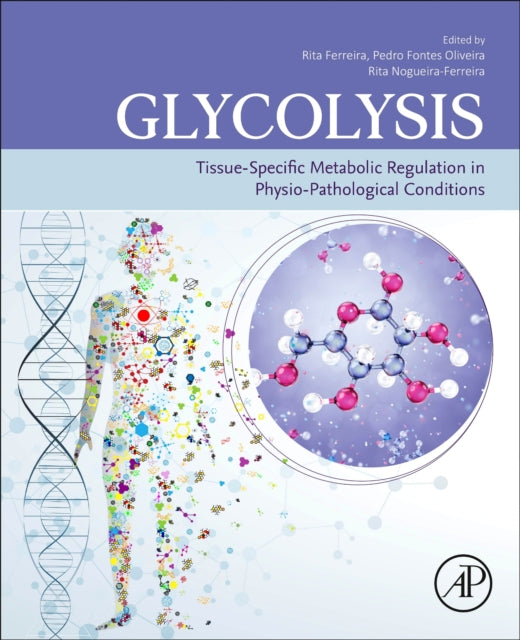
Glycolysis: Tissue-Specific Metabolic Regulation in Physio-Pathological Conditions provides an integrated overview of glycolysis,spanning basic biochemistry,patho-physiology,and therapeutic applications. It covers various disease areas and methodological approaches to advance glycolysis research.
Format: Paperback / softback
Length: 472 pages
Publication date: 01 October 2023
Publisher: Elsevier Science & Technology
Glycolysis: Tissue-Specific Metabolic Regulation in Physio-Pathological Conditions is a comprehensive and in-depth exploration of the intricate process of glycolysis, encompassing its fundamental biochemistry, pathological implications, and therapeutic applications. This book serves as a valuable resource for both researchers and practitioners, providing a comprehensive understanding of glycolysis in various physiological and pathological contexts.
The book begins with an introductory chapter that provides a foundational understanding of glycobiology, the study of carbohydrates and their role in biological processes. This chapter sets the stage for the subsequent chapters, which delve into the physiological aspects of glycolysis in different organs and systems.
Following the overview of fundamental glycobiology, the book proceeds to dedicate chapters to the physiology of glycolysis in various organs and systems. These chapters cover the metabolic regulation of glycolysis in different tissues, including the liver, brain, muscles, and kidneys. The authors provide detailed insights into the mechanisms by which glycolysis is controlled in response to various physiological and pathological conditions, such as exercise, starvation, diabetes, and cancer.
The next set of chapters focuses on the pathological conditions related to glycolytic alterations. The authors discuss the role of glycolysis in the development and progression of cancer, heart failure, diabetes, inborn glycolytic pathway defects, hematologic malignancies, osteoporosis, neurodegenerative diseases, and viral infections. They explore the underlying mechanisms by which glycolysis contributes to these diseases and discuss the potential therapeutic targets and strategies for intervention.
To advance the field of glycolysis research, the book provides detailed descriptions of methodological approaches. These include omics and computational modeling techniques, which allow for the comprehensive analysis of large datasets and the prediction of glycolytic pathways and regulatory mechanisms. Interactive study methods, such as high-throughput screening and imaging techniques, are also discussed, enabling researchers to study glycolysis in a more efficient and precise manner.
Furthermore, the book delves into the measurement of glycolysis flux, a crucial aspect of understanding glycolytic regulation in vivo. The authors describe in detail the methods used to measure glycolysis flux, including stable isotope labeling, Seahorse analysis, and mass spectrometry. They provide step-by-step descriptions of experimental protocols, set-up, and analysis, making it easier for researchers to implement these techniques in their own research.
Throughout the book, the authors use clear and concise language, accompanied by illustrative diagrams and tables, to enhance the understanding of complex concepts. Each chapter ends with a summary, key points, and references, providing a valuable resource for further reading and research.
In conclusion, Glycolysis: Tissue-Specific Metabolic Regulation in Physio-Pathological Conditions is a comprehensive and essential resource for researchers, physicians, and students interested in glycolysis and its role in health and disease. By providing a comprehensive overview of glycolysis, its physiological and pathological implications, and methodological approaches, this book enables readers to gain a deeper understanding of this critical metabolic process and its potential applications in the fields of medicine and biotechnology.
Dimension: 235 x 191 (mm)
ISBN-13: 9780323917049
UK and International shipping information
UK and International shipping information
UK Delivery and returns information:
- Delivery within 2 - 3 days when ordering in the UK.
- Shipping fee for UK customers from £2.39. Fully tracked shipping service available.
- Returns policy: Return within 30 days of receipt for full refund.
International deliveries:
Shulph Ink now ships to Australia, Belgium, Canada, France, Germany, Ireland, Italy, India, Luxembourg Saudi Arabia, Singapore, Spain, Netherlands, New Zealand, United Arab Emirates, United States of America.
- Delivery times: within 5 - 10 days for international orders.
- Shipping fee: charges vary for overseas orders. Only tracked services are available for most international orders. Some countries have untracked shipping options.
- Customs charges: If ordering to addresses outside the United Kingdom, you may or may not incur additional customs and duties fees during local delivery.