Shulph Ink
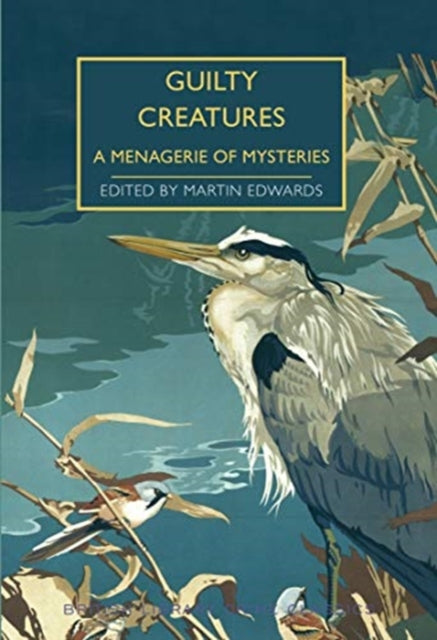
Guilty Creatures: A Menagerie of Mysteries
Guilty Creatures: A Menagerie of Mysteries
YOU SAVE £3.47
- Condition: Brand new
- UK Delivery times: Usually arrives within 2 - 3 working days
- UK Shipping: Fee starts at £3.89. Subject to product weight & dimension
Bulk ordering. Want 15 or more copies? Get a personalised quote and bigger discounts. Learn more about bulk orders.
Couldn't load pickup availability
- More about Guilty Creatures: A Menagerie of Mysteries
Animals have played a memorable part in crime fiction since the dawn of the genre, and this collection of fourteen stories celebrates one of the liveliest and most imaginative species of classic crime fiction. From Arthur Conan Doyle and F. Tennyson Jesse to Christianna Brand and Penelope Wallace, the anthology includes plots centered around cats, dogs, insects, gorillas, parakeets, and serpents.
\n Format: Paperback / softback
\n Length: 336 pages
\n Publication date: 10 June 2021
\n Publisher: British Library Publishing
\n
“Curiously enough,” said Dr. Manners, “I know a story in which the detection of a murder turned on the behaviour of a bird: in this instance a jackdaw.”
Since the dawn of the crime fiction genre, animals of all kinds have played a memorable part in countless mysteries, and in a variety of roles: the perpetrator, the key witness, the sleuths trusted companion. This collection of fourteen stories corrals plots centred around cats, dogs and insects alongside more exotic incidents involving gorillas, parakeets and serpents – complete with a customary shoal of red herrings.
From the animal mysteries of Arthur Conan Doyle and F. Tennyson Jesse through to more modern masterpieces of the sub-genre from Christianna Brand and Penelope Wallace, this anthology celebrates one of the liveliest and most imaginative species of classic crime fiction.
The jackdaw in question was a common bird, but it had a peculiar habit of collecting shiny objects. One day, a man was found dead in his garden, and the police were called in to investigate. The first thing that the detectives noticed was that there were a lot of shiny objects scattered around the crime scene, including a few coins and a piece of jewelry.
As they began to examine the body, the detectives noticed that there was a small hole in the man's neck, which appeared to have been caused by a sharp object. They also noticed that there were a few feathers around the hole, which were not from any local bird species.
The detectives then began to search for the jackdaw that had been seen in the area around the time of the murder. They eventually found it in a nearby tree, and they noticed that it was carrying a shiny object in its beak.
When the detectives questioned the jackdaw, it refused to speak. However, they were able to observe its behaviour and determine that it had been in the area around the time of the murder. They also noticed that it had a particular interest in shiny objects, and that it had been seen carrying a similar object in its beak on several occasions before.
Based on this information, the detectives were able to piece together the events of the murder. They determined that the jackdaw had seen the man drop the shiny object that had caused the hole in his neck, and that it had picked it up and carried it away. They also determined that the jackdaw had been seen in the area around the time of the murder, and that it had a particular interest in shiny objects.
In the end, the jackdaw was able to provide the key piece of evidence that led to the arrest and conviction of the murderer. It was a simple piece of evidence, but it was crucial in solving the case.
This story serves as a reminder that even the most ordinary objects can hold the key to solving a crime. It also serves as a reminder that animals can be valuable witnesses in criminal cases, and that they can provide valuable information that can help to solve a mystery.
Since the dawn of the crime fiction genre, animals of all kinds have played a memorable part in countless mysteries, and in a variety of roles: the perpetrator, the key witness, the sleuths trusted companion. This collection of fourteen stories corrals plots centred around cats, dogs and insects alongside more exotic incidents involving gorillas, parakeets and serpents – complete with a customary shoal of red herrings.
From the animal mysteries of Arthur Conan Doyle and F. Tennyson Jesse through to more modern masterpieces of the sub-genre from Christianna Brand and Penelope Wallace, this anthology celebrates one of the liveliest and most imaginative species of classic crime fiction.
The jackdaw in question was a common bird, but it had a peculiar habit of collecting shiny objects. One day, a man was found dead in his garden, and the police were called in to investigate. The first thing that the detectives noticed was that there were a lot of shiny objects scattered around the crime scene, including a few coins and a piece of jewelry.
As they began to examine the body, the detectives noticed that there was a small hole in the man's neck, which appeared to have been caused by a sharp object. They also noticed that there were a few feathers around the hole, which were not from any local bird species.
The detectives then began to search for the jackdaw that had been seen in the area around the time of the murder. They eventually found it in a nearby tree, and they noticed that it was carrying a shiny object in its beak.
When the detectives questioned the jackdaw, it refused to speak. However, they were able to observe its behaviour and determine that it had been in the area around the time of the murder. They also noticed that it had a particular interest in shiny objects, and that it had been seen carrying a similar object in its beak on several occasions before.
Based on this information, the detectives were able to piece together the events of the murder. They determined that the jackdaw had seen the man drop the shiny object that had caused the hole in his neck, and that it had picked it up and carried it away. They also determined that the jackdaw had been seen in the area around the time of the murder, and that it had a particular interest in shiny objects.
In the end, the jackdaw was able to provide the key piece of evidence that led to the arrest and conviction of the murderer. It was a simple piece of evidence, but it was crucial in solving the case.
This story serves as a reminder that even the most ordinary objects can hold the key to solving a crime. It also serves as a reminder that animals can be valuable witnesses in criminal cases, and that they can provide valuable information that can help to solve a mystery.
Since the dawn of the crime fiction genre, animals of all kinds have played a memorable part in countless mysteries, and in a variety of roles: the perpetrator, the key witness, the sleuths trusted companion. This collection of fourteen stories corrals plots.
From the animal mysteries of Arthur Conan Doyle and F. Tennyson Jesse through to more modern masterpieces of the sub-genre from Christianna Brand and Penelope Wallace, this anthology celebrates one of the liveliest and most imaginative species of classic crime fiction.
The jackdaw in question was a common bird, but it had a peculiar habit of collecting shiny objects. One day, a man was found dead in his garden, and the police were called in to investigate. The first thing that the detectives noticed was that there were a lot of shiny objects scattered around the crime scene, including a few coins and a piece of jewelry.
As they began to examine the body, the detectives noticed that there was a small hole in the man's neck, which appeared to have been caused by a sharp object. They also noticed that there were a few feathers around the hole, which were not from any local bird species.
The detectives then began to search for the jackdaw that had been seen in the area around the time of the murder. They eventually found it in a nearby tree, and they noticed that it was carrying a shiny object in its beak.
When the detectives questioned the jackdaw, it refused to speak. However, they were able to observe its behaviour and determine that it had been in the area around the time of the murder. They also noticed that it had a particular interest in shiny objects, and that it had been seen carrying a similar object in its beak on several occasions before.
Based on this information, the detectives were able to piece together the events of the murder. They determined that the jackdaw had seen the man drop the shiny object that had caused the hole in his neck, and that it had picked it up and carried it away. They also determined that the jackdaw had been seen in the area around the time of the murder, and that it had a particular interest in shiny objects.
In the end, the jackdaw was able to provide the key piece of evidence that led to the arrest and conviction of the murderer. It was a simple piece of evidence, but it was crucial in solving the case.
This story serves as a reminder that even the most ordinary objects can hold the key to solving a crime. It also serves as a reminder that animals can be valuable witnesses in criminal cases, and that they can provide valuable information that can help to solve a mystery.
Since the dawn of the crime fiction genre, animals of all kinds have played a memorable part in countless mysteries, and in a variety of roles: the perpetrator, the key witness, the sleuths trusted companion. This collection of fourteen stories corrals.
From the animal mysteries of Arthur Conan Doyle and F. Tennyson Jesse through to more modern masterpieces of the sub-genre from Christianna Brand and Penelope Wallace, this anthology celebrates one of the liveliest and most imaginative species of classic crime fiction.
The jackdaw in question was a common bird, but it had a peculiar habit of collecting shiny objects. One day, a man was found dead in his garden, and the police were called in to investigate. The first thing that the detectives noticed was that there were a lot of shiny objects scattered around the crime scene, including a few coins and a piece of jewelry.
As they began to examine the body, the detectives noticed that there was a small hole in the man's neck, which appeared to have been caused by a sharp object. They also noticed that there were a few feathers around the hole, which were not from any local bird species.
The detectives then began to search for the jackdaw that had been seen in the area around the time of the murder. They eventually found it in a nearby tree, and they noticed that it was carrying a shiny object in its beak.
When the detectives questioned the jackdaw, it refused to speak. However, they were able to observe its behaviour and determine that it had been in the area around the time of the murder. They also noticed that it had a particular interest in shiny objects, and that it had been seen carrying a similar object in its beak on several occasions before.
Based on this information, the detectives were able to piece together the events of the murder. They determined that the jackdaw had seen the man drop the shiny object that had caused the hole in his neck, and that it had picked it up and carried it away. They also determined that the jackdaw had been seen in the area around the time of the murder, and that it had a particular interest in shiny objects.
In the end, the jackdaw was able to provide the key piece of evidence that led to the arrest and conviction of the murderer. It was a simple piece of evidence, but it was crucial in solving the case.
This story serves as a reminder that even the most ordinary objects can hold the key to solving a crime. It also serves as a reminder that animals can be valuable witnesses in criminal cases, and that they can provide valuable information that can help to solve a mystery.
Since the dawn of the crime fiction genre, animals of all kinds have played a memorable part in countless mysteries, and in a variety of roles: the perpetrator, the key witness, the sleuths trusted companion. This collection of fourteen stories corrals.
From the animal mysteries of Arthur Conan Doyle and F. Tennyson Jesse through to more modern masterpieces of the sub-genre from Christianna Brand and Penelope Wallace, this anthology celebrates one of the liveliest and most imaginative species of classic crime fiction.
The jackdaw in question was a common bird, but it had a peculiar habit of collecting shiny objects. One day, a man was found dead in his garden, and the police were called in to investigate. The first thing that the detectives noticed was that there were a lot of shiny objects scattered around the crime scene, including a few coins and a piece of jewelry.
As they began to examine the body, the detectives noticed that there was a small hole in the man's neck, which appeared to have been caused by a sharp object. They also noticed that there were a few feathers around the hole, which were not from any local bird species.
The detectives then began to search for the jackdaw that had been seen in the area around the time of the murder. They eventually found it in a nearby tree, and they noticed that it was carrying a shiny object in its beak.
When the detectives questioned the jackdaw, it refused to speak. However, they were able to observe its behaviour and determine that it had been in the area around the time of the murder. They also noticed that it had a particular interest in shiny objects, and that it had been seen carrying a similar object in its beak on several occasions before.
Based on this information, the detectives were able to piece together the events of the murder. They determined that the jackdaw had seen the man drop the shiny object that had caused the hole in his neck, and that it had picked it up and carried it away. They also determined that the jackdaw had been seen in the area around the time of the murder, and that it had a particular interest in shiny objects.
In the end, the jackdaw was able to provide the key piece of evidence that led to the arrest and conviction of the murderer. It was a simple piece of evidence, but it was crucial in solving the case.
This story serves as a reminder that even the most ordinary objects can hold the key to solving a crime. It also serves as a reminder that animals can be valuable witnesses in criminal cases, and that they can provide valuable information that can help to solve a mystery.
Since the dawn of the crime fiction genre, animals of all kinds have played a memorable part in countless mysteries, and in a variety of roles: the perpetrator, the key witness, the sleuths trusted companion. This collection of fourteen stories corrals.
From the animal mysteries of Arthur Conan Doyle and F. Tennyson Jesse through to more modern masterpieces of the sub-genre from Christianna Brand and Penelope Wallace, this anthology celebrates one of the liveliest and most imaginative species of classic crime fiction.
The jackdaw in question was a common bird, but it had a peculiar habit of collecting shiny objects. One day, a man was found dead in his garden, and the police were called in to investigate. The first thing that the detectives noticed was that there were a lot of shiny objects scattered around the crime scene, including a few coins and a piece of jewelry.
As they began to examine the body, the detectives noticed that there was a small hole in the man's neck, which appeared to have been caused by a sharp object. They also noticed that there were a few feathers around the hole, which were not from any local bird species.
The detectives then began to search for the jackdaw that had been seen in the area around the time of the murder. They eventually found it in a nearby tree, and they noticed that it was carrying a shiny object in its beak.
When the detectives questioned the jackdaw, it refused to speak. However, they were able to observe its behaviour and determine that it had been in the area around the time of the murder. They also noticed that it had a particular interest in shiny objects, and that it had been seen carrying a similar object in its beak on several occasions before.
Based on this information, the detectives were able to piece together the events of the murder. They determined that the jackdaw had seen the man drop the shiny object that had caused the hole in his neck, and that it had picked it up and carried it away. They also determined that the jackdaw had been seen in the area around the time of the murder, and that it had a particular interest in shiny objects.
In the end, the jackdaw was able to provide the key piece of evidence that led to the arrest and conviction of the murderer. It was a simple piece of evidence, but it was crucial in solving the case.
This story serves as a reminder that even the most ordinary objects can hold the key to solving a crime. It also serves as a reminder that animals can be valuable witnesses in criminal cases, and that they can provide valuable information that can help to solve a mystery.
\n Weight: 296g\n
Dimension: 131 x 189 x 39 (mm)\n
ISBN-13: 9780712353441\n \n
UK and International shipping information
UK and International shipping information
We deliver throughout the United Kingdom and to 128 countries and territories worldwide, including the United States, Australia, Canada, Germany, Spain and France.