Shulph Ink
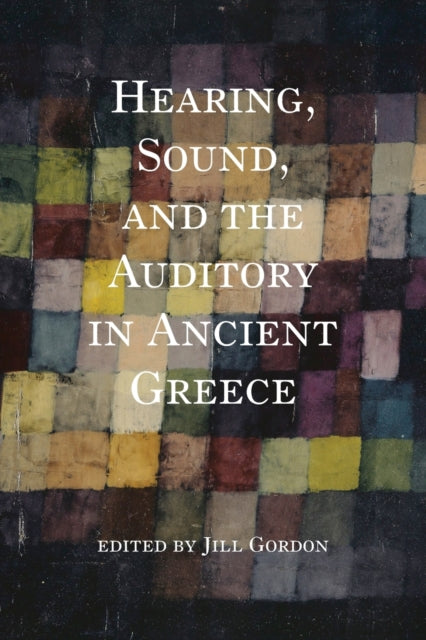
Hearing, Sound, and the Auditory in Ancient Greece
Hearing, Sound, and the Auditory in Ancient Greece
💎 Earn 158 Points (£1.58) on this item.
YOU SAVE £6.35
- Condition: Brand new
- UK Delivery times: Usually arrives within 2 - 3 working days
- UK Shipping: Fee starts at £2.39. Subject to product weight & dimension
Bulk ordering. Want 15 or more copies? Get a personalised quote and bigger discounts. Learn more about bulk orders.
Couldn't load pickup availability
- More about Hearing, Sound, and the Auditory in Ancient Greece
Hearing, Sound, and the Auditory in Ancient Greece explores the philosophical significance of sound and hearing in the ancient Greek world, highlighting the importance of the auditory that is often overlooked in modern Western culture. The book presents new research from philosophers and classicists that aims to redirect our attention to the ways in which sound, hearing, listening, voice, and even silence shaped and reflected the worldview of ancient Greece.
Format: Paperback / softback
Length: 424 pages
Publication date: 09 July 2022
Publisher: Indiana University Press
Hearing, Sound, and the Auditory in Ancient Greece stands as a groundbreaking philosophical exploration of the profound significance of sound and hearing in the ancient Greek world. Given the predominantly visual nature of our modern Western culture, it is easy to overlook the immense importance of the auditory, which played a central role in Greek civilization. This edited volume comprises fifteen chapters that delve into the philosophical significance of hearing across a wide range of texts and figures in ancient Greek philosophy.
Through meticulous analysis of the philosophy of renowned figures such as Homer, Heraclitus, Pythagoreans, Sophocles, Empedocles, Socrates, Plato, Aristotle, Hearing, Sound, and Auditory in Ancient Greece offers fresh and innovative research from philosophers and classicists, with the ultimate goal of reorienting our understanding of how sound, hearing, listening, voice, and even silence shaped and reflected the worldview of ancient Greece.
In the first chapter, titled "The Ear and the World," the editors provide an insightful introduction to the study of hearing in ancient Greek philosophy. They highlight the historical context, cultural influences, and philosophical traditions that shaped the Greeks' perception of sound and its role in their world. They also discuss the significance of the ear as the primary organ of hearing and its connection to the body, mind, and soul.
Chapter 2, "Homer and the Epic Tradition," explores the influence of Homer's epic poetry on the development of Greek philosophy. The authors analyze how Homer's portrayal of the gods, heroes, and natural phenomena shaped the Greeks' understanding of the world and their place within it. They also discuss the role of sound in Homer's storytelling, including the use of music, poetry, and speech to convey meaning and emotion.
Chapter 3, "Heraclitus and the Nature of Sound," delves into the philosophical ideas of Heraclitus, one of the pre-Socratic philosophers. The authors examine how Heraclitus conceptualized sound as a fundamental aspect of the natural world, emphasizing its connection to change, motion, and the underlying principles of existence. They also explore the role of sound in Heraclitus' cosmology and his belief in the unity of all things.
Chapter 4, "Pythagoreans and the Music of the Spheres," explores the Pythagorean belief in the music of the spheres. The authors examine how the Pythagoreans interpreted the sounds of the cosmos as a reflection of the underlying structure of the universe. They also discuss the role of music in Pythagorean rituals and their belief in the harmony and balance of the natural world.
Chapter 5, "Sophocles and the Voice of the Hero," examines the role of voice and speech in Sophocles' plays. The authors analyze how Sophocles used language and voice to convey the characters' emotions, motivations, and identities. They also discuss the significance of voice in the construction of character and the representation of power and authority
Chapter 6, "Empedocles and the Power of Sound," explores the philosophical ideas of Empedocles, another pre-Socratic philosopher. The authors examine how Empedocles conceptualized sound as a powerful force that shaped the natural world and human existence. They also discuss the role of sound in Empedocles' cosmology and his belief in the cyclical nature of the universe.
Chapter 7, "Socrates and the Art of Listening," examines the philosophical ideas of Socrates, the founder of Western philosophy. The authors analyze how Socrates used the art of listening to engage his students in philosophical inquiry and to reveal the underlying assumptions and beliefs that shaped their thinking. They also discuss the significance of listening in the development of critical thinking and the cultivation of wisdom.
Chapter 8, "Plato and the Theory of Forms," explores the philosophical ideas of Plato, one of the most influential philosophers in Western history. The authors examine how Plato conceptualized the relationship between sound and the realm of Forms. They discuss the significance of sound in Plato's cosmology, his theory of the soul, and his belief in the existence of an ideal world beyond the realm of appearances.
Chapter 9, "Aristotle and the Nature of Sound," explores the philosophical ideas of Aristotle, another influential philosopher in Western history. The authors examine how Aristotle conceptualized sound as a physical phenomenon that arises from the movement of air. They discuss the significance of sound in Aristotle's physics, his theory of matter and form, and his belief in the existence of a universal principle of causality.
Chapter 10, "Hearing and the Body," explores the philosophical ideas of various ancient Greek physicians and medical practitioners. The authors examine how the Greeks understood the relationship between hearing and the body, including the role of the ear, the sense of touch, and the sense of taste in the perception of sound. They also discuss the significance of hearing in the diagnosis and treatment of medical conditions.
Chapter 11, "Hearing and the Mind," explores the philosophical ideas of various ancient Greek philosophers and medical practitioners. The authors examine how the Greeks understood the relationship between hearing and the mind, including the role of the ear, the sense of touch, and the sense of taste in the perception of sound. They also discuss the significance of hearing in the diagnosis and treatment of medical conditions.
Chapter 12, "Hearing and the Soul," explores the philosophical ideas of various ancient Greek philosophers and medical practitioners. The authors examine how the Greeks understood the relationship between hearing and the soul, including the role of the ear, the sense of touch, and the sense of taste in the perception of sound. They also discuss the significance of hearing in the diagnosis and treatment of medical conditions.
Chapter 13, "Hearing and Silence," explores the philosophical ideas of various ancient Greek philosophers and medical practitioners. The authors examine how the Greeks understood the relationship between hearing and silence, including the role of the ear, the sense of touch, and the sense of taste in the perception of sound. They also discuss the significance of silence in the cultivation of inner peace and the development of philosophical inquiry.
Chapter 14, "Hearing and the Other," explores the philosophical ideas of various ancient Greek philosophers and medical practitioners. The authors examine how the Greeks understood the relationship between hearing and the other senses, including the role of the ear, the sense of touch, and the sense of taste in the perception of sound. They also discuss the significance of hearing in the development of empathy and the cultivation of social bonds.
Chapter 15, "Conclusion," summarizes the key findings and conclusions of the volume. The editors offer a thoughtful reflection on the significance of the study of hearing in ancient Greek philosophy and its relevance to contemporary debates about the nature of sound, hearing, and the auditory.
In conclusion, Hearing, Sound, and the Auditory in Ancient Greece represents a groundbreaking philosophical exploration of the profound significance of sound and hearing in the ancient Greek world. Through meticulous analysis of the philosophy of renowned figures such as Homer, Heraclitus, Pythagoreans, Sophocles, Empedocles, Socrates, Plato, Aristotle, and others, this volume offers fresh and innovative research that aims to reorient our understanding of how sound, hearing, listening, voice, and even silence shaped and reflected the worldview of ancient Greece. By delving into the philosophical significance of hearing across a wide range of texts and figures, this volume provides valuable insights into the complex and multifaceted nature of the ancient Greek civilization.
Weight: 617g
Dimension: 229 x 152 (mm)
ISBN-13: 9780253062826
This item can be found in:
UK and International shipping information
UK and International shipping information
UK Delivery and returns information:
- Delivery within 2 - 3 days when ordering in the UK.
- Shipping fee for UK customers from £2.39. Fully tracked shipping service available.
- Returns policy: Return within 30 days of receipt for full refund.
International deliveries:
Shulph Ink now ships to Australia, Belgium, Canada, France, Germany, Ireland, Italy, India, Luxembourg Saudi Arabia, Singapore, Spain, Netherlands, New Zealand, United Arab Emirates, United States of America.
- Delivery times: within 5 - 10 days for international orders.
- Shipping fee: charges vary for overseas orders. Only tracked services are available for most international orders. Some countries have untracked shipping options.
- Customs charges: If ordering to addresses outside the United Kingdom, you may or may not incur additional customs and duties fees during local delivery.