Nick Rebman
Helping the Environment: Pollinator Gardens
Helping the Environment: Pollinator Gardens
We can order this item for you. Delivery usually takes about 4 to 6 weeks.
This item is not held in our immediate stock. We will order it for you after checkout.
Estimated delivery: About 4 to 6 weeks
YOU SAVE £3.47
- Condition: Brand new
- UK Delivery times: Usually arrives within 2 - 3 working days
- UK Shipping: Fee starts at £3.89. Subject to product weight & dimension
Bulk ordering. Want 15 or more copies? Get a personalised quote and bigger discounts. Learn more about bulk orders.
Couldn't load pickup availability
- More about Helping the Environment: Pollinator Gardens
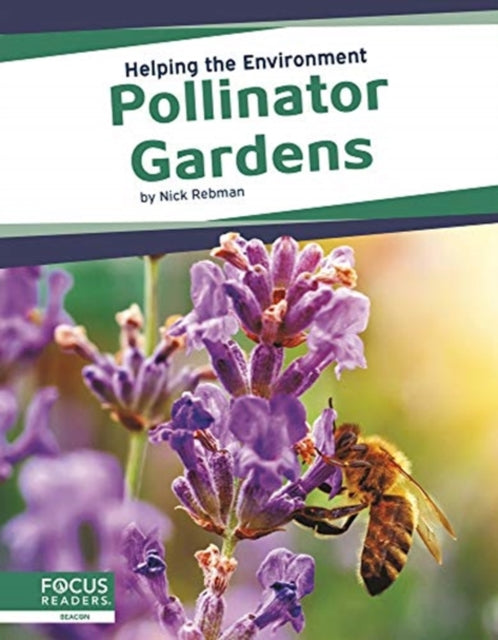
This book examines how pollinators affect the environment, the threats these species face, and how people can help protect them with pollinator gardens. It includes a table of contents, fun facts, a "Thats Amazing!” special feature, quiz questions, a glossary, additional resources, and an index.
Format: Paperback / softback
Length: 32 pages
Publication date: 01 August 2021
Publisher: North Star Editions
This captivating book delves into the intricate relationship between pollinators and the environment, shedding light on the numerous threats these invaluable species face. It offers practical solutions for individuals to contribute to their protection through the creation of pollinator gardens. Additionally, the book features a comprehensive table of contents, captivating fun facts, a delightful "Thats Amazing!" special feature, engaging quiz questions, a comprehensive glossary, valuable additional resources, and an insightful index. Crafted with the needs of Focus Readers in mind, this title is specifically designed for reading levels ranging from grades 2 to 3 and interest levels spanning from grades 3 to 5.
Pollinators play a vital role in our ecosystem, contributing to the reproduction of countless plant species. However, their numbers are declining rapidly due to various factors such as habitat loss, pesticide use, and climate change. This decline has significant consequences for the environment, as pollinators are responsible for the production of fruits, vegetables, and nuts that we rely on for food.
One of the primary threats facing pollinators is habitat loss. As human populations continue to grow, more and more land is being developed for agriculture, housing, and infrastructure. This development destroys natural habitats, such as meadows, forests, and wetlands, which are home to many pollinator species. Pollinators need access to a variety of plants and resources to survive, and when their habitats are destroyed, they are unable to find the food they need to reproduce.
Pesticide use is another significant threat to pollinators. Pesticides are used to control pests and diseases in crops, but they can also be harmful to pollinators. Many pesticides contain chemicals that are toxic to insects, and when pollinators come into contact with these chemicals, they can be killed or suffer from reproductive problems. Pesticide use can also have a ripple effect on other wildlife, as pollinators are often the primary food source for birds, mammals, and reptiles.
Climate change is also a major threat to pollinators. As temperatures rise, pollinator species are experiencing shifts in their habitats and migration patterns. Some species are migrating to higher altitudes or to different regions in search of cooler temperatures, while others are facing extinction due to the loss of their habitat. Climate change can also affect the timing of flowering plants, which can affect the availability of food for pollinators.
Despite these threats, there are steps that individuals can take to help protect pollinators. One of the most effective ways to support pollinators is to create pollinator gardens. Pollinator gardens are designed to provide a habitat for a variety of pollinator species, including bees, butterflies, and birds. These gardens can be created in any size, from small backyard gardens to large community gardens.
In addition to providing a habitat for pollinators, pollinator gardens can also help to improve the health of the environment. Plants in pollinator gardens are often native to the region, which means they are adapted to the local climate and soil conditions. Native plants require less water and fertilizer than non-native plants, which can help to reduce the amount of pollution in the environment.
Pollinator gardens can also be a source of food for pollinators. Many plants in pollinator gardens are flowering plants, which produce nectar and pollen. Pollinators use nectar and pollen to feed on, and by providing these resources, we can help to ensure the survival of these valuable species.
Creating a pollinator garden is not difficult, and there are many resources available to help individuals get started. There are online resources, such as the National Wildlife Federation's Pollinator Garden Finder, that can help individuals locate nearby pollinator gardens and find information on how to create their own. There are also local gardening clubs and organizations that can provide guidance and support for individuals who are interested in creating a pollinator garden.
In addition to creating pollinator gardens, individuals can also take other steps to support pollinators. One of the most important things to do is to reduce the use of pesticides in our homes and gardens. Pesticides can be harmful to pollinators, and even small amounts can have a significant impact on their health. Instead of using pesticides, individuals can use natural pest control methods, such as companion planting, handpicking pests, and using natural repellents.
Individuals can also help to protect pollinators by providing water and nesting sites. Pollinators need access to water to drink and bathe in, and they also need places to nest and lay their eggs. Providing a shallow dish of water with pebbles or a small birdhouse can provide these essential resources.
Finally, individuals can help to raise awareness about the importance of pollinators and the threats they face. Educating others about the role of pollinators in our ecosystem and the importance of protecting them can help to create a sense of responsibility and stewardship.
In conclusion, pollinators play a vital role in our ecosystem, and their decline has significant consequences for the environment. By creating pollinator gardens, reducing pesticide use, providing water and nesting sites, and raising awareness, we can help to protect these valuable species and ensure the survival of our ecosystem.
Weight: 96g
Dimension: 174 x 227 x 5 (mm)
ISBN-13: 9781644938843
UK and International shipping information
UK and International shipping information
We deliver throughout the United Kingdom and to 128 countries and territories worldwide, including the United States, Australia, Canada, Germany, Spain and France.