Shulph Ink
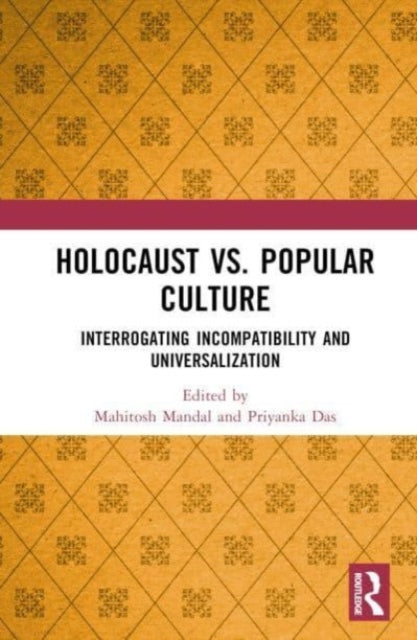
Holocaust vs. Popular Culture: Interrogating Incompatibility and Universalization
Holocaust vs. Popular Culture: Interrogating Incompatibility and Universalization
💎 Earn 811 Points (£8.11) on this item.
YOU SAVE £9.63
- Condition: Brand new
- UK Delivery times: Usually arrives within 2 - 3 working days
- UK Shipping: Fee starts at £2.39. Subject to product weight & dimension
Bulk ordering. Want 15 or more copies? Get a personalised quote and bigger discounts. Learn more about bulk orders.
Couldn't load pickup availability
- More about Holocaust vs. Popular Culture: Interrogating Incompatibility and Universalization
The article explores the theme of the Holocaust through popular culture in the 21st century, covering a wide range of genres and media.
Format: Hardback
Length: 264 pages
Publication date: 10 August 2023
Publisher: Taylor & Francis Ltd
Focusing on some of the most recent works of popular culture from the twenty-first century, such as Jojo Rabbit, this book explores a diverse range of genres that address the theme of the Holocaust. Spanning language, literature, films, music, comics, graffiti, photographs, paintings, videogames, and museums, it provides a comprehensive examination of the ways in which artists have explored and interpreted this tragic historical event.
Introduction:
The Holocaust is one of the most devastating events in human history, with its impact felt across the globe. It is a topic that has been explored in various forms of art and media, from literature and films to music and comics. In recent years, there has been a renewed interest in the theme of the Holocaust, with artists using their work to shed light on this dark chapter of history and to promote understanding and empathy.
Language:
One of the most powerful ways in which artists have addressed the theme of the Holocaust is through language. Writers have used language to convey the horror and brutality of the Holocaust, as well as to explore the complex emotions and experiences of those who survived. For example, in his novel "The Nightingale," Kristin Hannah explores the experiences of two sisters during the Holocaust, using language that is both vivid and emotional.
Literature:
Literature has also been a powerful tool for exploring the theme of the Holocaust. Novelists such as Anne Frank, Primo Levi, and Elie Wiesel have written about their experiences during the Holocaust, providing a firsthand account of the horrors and the resilience of the human spirit. These works have been widely read and studied, and have helped to promote a greater understanding of the Holocaust and its impact on society.
Films:
Films have also been a powerful medium for exploring the theme of the Holocaust. Films such as "Schindler's List," "The Diary of Anne Frank," and "The Boy in the Striped Pajamas" have depicted the horrors of the Holocaust and have helped to bring this tragic event to a wider audience. These films have been praised for their emotional impact and for their ability to convey the complexity of the human experience during this period.
Music:
Music has also been used to explore the theme of the Holocaust. Composers such as John Williams and Hans Zimmer have created music that is inspired by the Holocaust, using themes and motifs that evoke the emotions and experiences of those who lived through this period. For example, Williams' score for "Schindler's List" is a powerful and emotional piece that captures the sense of hope and resilience that emerged during the Holocaust.
Comics:
Comics have also been used to explore the theme of the Holocaust. Graphic novels such as "Maus" and "The Holocaust Museum" have depicted the horrors of the Holocaust and have helped to promote a greater understanding of this tragic event. These works have been praised for their ability to engage young readers and to provide a visual representation of the events that took place.
Graffiti:
Graffiti has also been used to explore the theme of the Holocaust. Street artists have used graffiti to express their emotions and to raise awareness of the Holocaust. For example, in Berlin, there is a street art project called "The Holocaust Memorial Wall," which features a series of graffiti murals that depict the horrors of the Holocaust and the resilience of the human spirit.
Photographs:
Photographs have also been used to explore the theme of the Holocaust. Photographers such as Robert Capa and George Rodger have captured the images of the Holocaust, providing a visual record of this tragic event. These photographs have been widely exhibited and have helped to promote a greater understanding of the Holocaust and its impact on society.
Paintings:
Paintings have also been used to explore the theme of the Holocaust. Artists such as Art Spiegelman and John Hersey have created paintings that depict the horrors of the Holocaust and the resilience of the human spirit. These works have been widely exhibited and have helped to promote a greater understanding of the Holocaust and its impact on society.
Videogames:
Videogames have also been used to explore the theme of the Holocaust. Games such as "The Holocaust Memorial Museum" and "The Last of Us" have depicted the horrors of the Holocaust and have helped to promote a greater understanding of this tragic event. These games have been praised for their ability to engage players and to provide a immersive experience that allows players to explore the complexities of the human experience during this period.
Museums:
Museums have also been used to explore the theme of the Holocaust. Museums such as the United States Holocaust Memorial Museum and the Yad Vashem Holocaust Museum in Israel have created exhibits that depict the horrors of the Holocaust and the resilience of the human spirit. These exhibits have been widely visited and have helped to promote a greater understanding of the Holocaust and its impact on society.
Conclusion:
In conclusion, the theme of the Holocaust has been explored in various forms of art and media, from language to literature, films, music, comics, graffiti, photographs, paintings, videogames, and museums. These works have been praised for their ability to shed light on this dark chapter of history and to promote understanding and empathy. As we continue to commemorate the Holocaust and its impact on society, it is important that we continue to support and promote the work of artists who use their work to explore this tragic event and to promote a greater understanding of its impact on our world.
Weight: 453g
Dimension: 234 x 156 (mm)
ISBN-13: 9781032169736
UK and International shipping information
UK and International shipping information
UK Delivery and returns information:
- Delivery within 2 - 3 days when ordering in the UK.
- Shipping fee for UK customers from £2.39. Fully tracked shipping service available.
- Returns policy: Return within 30 days of receipt for full refund.
International deliveries:
Shulph Ink now ships to Australia, Belgium, Canada, France, Germany, Ireland, Italy, India, Luxembourg Saudi Arabia, Singapore, Spain, Netherlands, New Zealand, United Arab Emirates, United States of America.
- Delivery times: within 5 - 10 days for international orders.
- Shipping fee: charges vary for overseas orders. Only tracked services are available for most international orders. Some countries have untracked shipping options.
- Customs charges: If ordering to addresses outside the United Kingdom, you may or may not incur additional customs and duties fees during local delivery.