Olivia Kanna
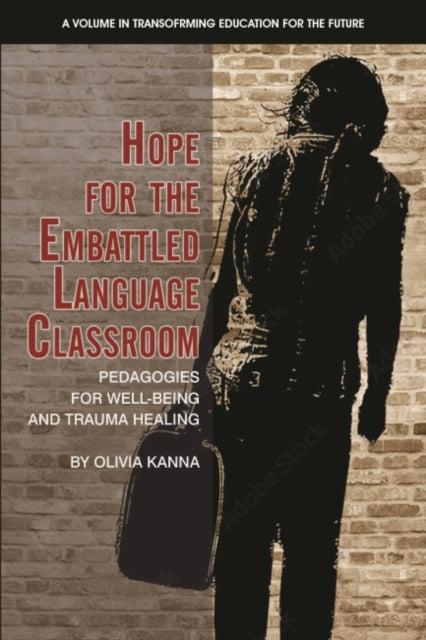
Hope for the Embattled Language Classroom: Pedagogies for Well-Being and Trauma Healing
Hope for the Embattled Language Classroom: Pedagogies for Well-Being and Trauma Healing
💎 Earn 357 Points (£3.57) on this item.
YOU SAVE £3.60
- Condition: Brand new
- UK Delivery times: Usually arrives within 2 - 3 working days
- UK Shipping: Fee starts at £2.39. Subject to product weight & dimension
Bulk ordering. Want 15 or more copies? Get a personalised quote and bigger discounts. Learn more about bulk orders.
Couldn't load pickup availability
- More about Hope for the Embattled Language Classroom: Pedagogies for Well-Being and Trauma Healing
Learning is closely linked to students' well-being, particularly for immigrant students who may have experienced trauma and privation. This book offers interdisciplinary perspectives on trauma and suggests pedagogies for well-being and trauma healing that utilize contemplative ways of education. It aims to support teachers in addressing trauma in their classrooms.
Format: Hardback
Length: 217 pages
Publication date: 30 September 2022
Publisher: Information Age Publishing
Learning is a crucial aspect of a student's growth and development, and it is increasingly recognized that students' well-being plays a significant role in their ability to learn. Research findings indicate that when students experience wounding and trauma, their capacity and ability to learn can be severely compromised. This understanding is particularly relevant to immigrant students in the language classroom, many of whom are refugees who have experienced privation, violence, wounding, and trauma in their past. As teachers often find themselves wearing multiple hats, not only as instructors but also as friends, philosophers, guides, confidantes, and counsellors to their refugee and immigrant learners, addressing their trauma with compassion and employing appropriate pedagogical practices to mitigate their suffering should be of great relevance and inform their praxis in the classroom.
This book takes an interdisciplinary look at trauma from the vantage points of critical language theories, neuroscience, psychotherapy, and Buddhist psychology and suggests pedagogies for well-being and trauma healing that utilize contemplative ways of education. The practical aim of this book is to support teachers in addressing trauma in their classrooms.
One of the key challenges facing teachers in addressing trauma in their classrooms is the lack of awareness and understanding of the impact of trauma on students. Many teachers may not be aware of the signs and symptoms of trauma, or may not know how to respond effectively to students who have experienced trauma. This can lead to a sense of helplessness and frustration for both the teacher and the student.
To address this challenge, the book provides a comprehensive overview of trauma and its impact on students. It discusses the different types of trauma, including childhood trauma, sexual trauma, and trauma related to war and violence. It also explores the effects of trauma on students' cognitive, emotional, and behavioral functioning, and the ways in which trauma can impact their academic performance.
One of the key strategies for addressing trauma in the classroom is to create a safe and supportive learning environment. This can be achieved by establishing clear rules and expectations, providing opportunities for students to express their feelings and emotions, and offering support and guidance to students who are struggling. Teachers can also use mindfulness and meditation techniques to help students manage their stress and anxiety.
Another important strategy for addressing trauma in the classroom is to use trauma-informed teaching practices. These practices involve recognizing the impact of trauma on students and using strategies that are designed to address the needs of students who have experienced trauma. For example, teachers can use storytelling and role-playing to help students process their experiences and develop coping strategies. They can also use visual aids and other sensory experiences to help students engage with the material.
In addition to these strategies, the book also provides a range of resources and tools for teachers to use in addressing trauma in their classrooms. These include books, articles, and websites that provide information on trauma and its impact on students, as well as training programs and workshops that can help teachers develop their skills in addressing trauma.
One of the challenges that teachers face in addressing trauma in their classrooms is the stigma associated with trauma. Many students may feel ashamed or embarrassed about their experiences, and may be reluctant to seek help. Teachers can work to address this stigma by creating a safe and supportive learning environment and by using trauma-informed teaching practices.
Another challenge that teachers face in addressing trauma in their classrooms is the lack of resources and support. Many schools and communities do not have the resources to provide comprehensive trauma-informed care to students, and teachers may feel overwhelmed and alone in their efforts to address trauma.
To address this challenge, the book provides a range of resources and support for teachers. These include online resources, such as webinars and discussion forums, as well as local support groups and counseling services. Teachers can also work with other teachers and professionals to develop a comprehensive trauma-informed care plan for their school or community.
In conclusion, learning is a crucial aspect of a student's growth and development, and it is increasingly recognized that students' well-being plays a significant role in their ability to learn. Research findings indicate that when students experience wounding and trauma, their capacity and ability to learn can be severely compromised. This understanding is particularly relevant to immigrant students in the language classroom, many of whom are refugees who have experienced privation, violence, wounding, and trauma in their past. As teachers often find themselves wearing multiple hats, not only as instructors but also as friends, philosophers, guides, confidantes, and counsellors to their refugee and immigrant learners, addressing their trauma with compassion and employing appropriate pedagogical practices to mitigate their suffering should be of great relevance and inform their praxis in the classroom.
This book takes an interdisciplinary look at trauma from the vantage points of critical language theories, neuroscience, psychotherapy, and Buddhist psychology and suggests pedagogies for well-being and trauma healing that utilize contemplative ways of education. The practical aim of this book is to support teachers in addressing trauma in their classrooms. By creating a safe and supportive learning environment, using trauma-informed teaching practices, and providing resources and support, teachers can help students heal from trauma and achieve their academic goals.
Dimension: 234 x 156 (mm)
ISBN-13: 9781648028571
This item can be found in:
UK and International shipping information
UK and International shipping information
UK Delivery and returns information:
- Delivery within 2 - 3 days when ordering in the UK.
- Shipping fee for UK customers from £2.39. Fully tracked shipping service available.
- Returns policy: Return within 30 days of receipt for full refund.
International deliveries:
Shulph Ink now ships to Australia, Belgium, Canada, France, Germany, Ireland, Italy, India, Luxembourg Saudi Arabia, Singapore, Spain, Netherlands, New Zealand, United Arab Emirates, United States of America.
- Delivery times: within 5 - 10 days for international orders.
- Shipping fee: charges vary for overseas orders. Only tracked services are available for most international orders. Some countries have untracked shipping options.
- Customs charges: If ordering to addresses outside the United Kingdom, you may or may not incur additional customs and duties fees during local delivery.