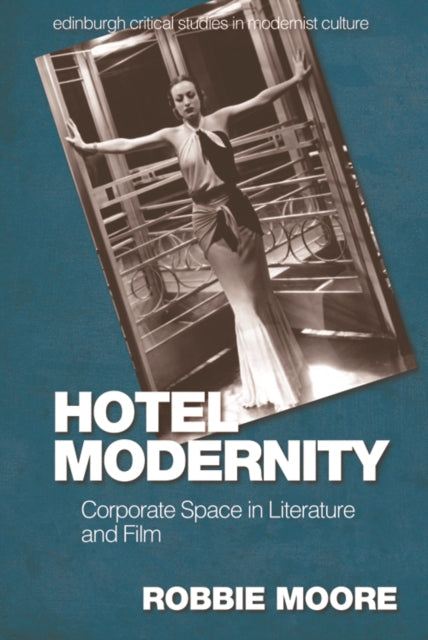
Robbie Moore
Hotel Modernity: Corporate Space in Literature and Film
Hotel Modernity: Corporate Space in Literature and Film
💎 Earn 88 Points (£0.88) on this item.
We can order this item for you. Delivery usually takes about 4 to 6 weeks.
This item is not held in our immediate stock. We will order it for you after checkout.
Estimated delivery: About 4 to 6 weeks
YOU SAVE £5.36
- Condition: Brand new
- UK Delivery times: Usually arrives within 2 - 3 working days
- UK Shipping: Fee starts at £2.39. Subject to product weight & dimension
Bulk ordering. Want 15 or more copies? Get a personalised quote and bigger discounts. Learn more about bulk orders.
Couldn't load pickup availability
- More about Hotel Modernity: Corporate Space in Literature and Film
Hotel Modernity explores the impact of corporate space on modern fiction and film, highlighting the rise of hotel culture from 1870 to 1939 and its effects on bodies, selves, and communities.
Format: Paperback / softback
Length: 240 pages
Publication date: 18 February 2023
Publisher: Edinburgh University Press
Hotel Modernity: Unveiling the Impact of Corporate Space on Modern Fiction and Film
Hotel Modernity is a captivating exploration of the profound impact of corporate space on the construction and texture of modern fiction and film. It delves into the hotel and corporate space as pivotal sites of modern experience and culture, shedding light on their historical development and cultural significance. Through a meticulous examination of architectural and financial records, hotel trade journals, travel journalism, advertisements, and cinematic and literary representations, the book traces the rise of hotel culture from 1870 to 1939.
From the ecstatic Waldorf to the ephemeral Ritz, from upstate New York to the Italian Riviera, Hotel Modernity explores the diverse effects of hotel space on bodies, selves, and communities. It delves into the ways in which hotel architecture, design, and amenities shape our perceptions, experiences, and interactions, and how they have contributed to the formation of modern identities and social norms.
Through a series of insightful essays, Hotel Modernity brings together a diverse range of perspectives, including historians, architects, designers, and cultural theorists. It challenges traditional notions of hotel space as mere functional spaces and reveals the rich cultural and social significance of these institutions.
One of the key themes of Hotel Modernity is the transformation of hotel space from a mere place of accommodation to a hub of social and cultural activity. The book highlights the ways in which hotels have become cultural centers, hosting events, exhibitions, and performances that reflect the changing tastes and values of society. It also explores the role of hotels in shaping tourism and the global economy, and how they have contributed to the development of urban landscapes and the growth of cities.
Another important aspect of Hotel Modernity is the impact of hotel space on the construction of gender and sexuality. The book examines the ways in which hotels have been used as sites of sexual exploration and experimentation, as well as the ways in which they have reinforced gender norms and stereotypes. It also explores the role of hotels in promoting diversity and inclusivity, and how they have challenged traditional notions of hospitality and service.
In addition to its historical and cultural analysis, Hotel Modernity also offers practical insights into the design and management of hotels. It provides valuable advice on how to create successful and sustainable hotel spaces that meet the needs of both guests and employees. It also highlights the importance of customer service and the role of hospitality in creating memorable experiences for guests.
Overall, Hotel Modernity is a thought-provoking and engaging book that sheds light on the complex and multifaceted relationship between corporate space and modern fiction and film. It offers a fresh perspective on the history and culture of hotels, and provides valuable insights into the ways in which they shape our lives and communities. Whether you are a historian, architect, designer, or simply a fan of modern fiction and film, Hotel Modernity is a must-read.
Hotel Modernity: A Journey Through the Impact of Corporate Space on Modern Fiction and Film
Hotel Modernity is a captivating exploration of the profound impact of corporate space on the construction and texture of modern fiction and film. It delves into the hotel and corporate space as pivotal sites of modern experience and culture, shedding light on their historical development and cultural significance. Through a meticulous examination of architectural and financial records, hotel trade journals, travel journalism, advertisements, and cinematic and literary representations, the book traces the rise of hotel culture from 1870 to 1939.
From the ecstatic Waldorf to the ephemeral Ritz, from upstate New York to the Italian Riviera, Hotel Modernity explores the diverse effects of hotel space on bodies, selves, and communities. It delves into the ways in which hotel architecture, design, and amenities shape our perceptions, experiences, and interactions, and how they have contributed to the formation of modern identities and social norms.
One of the key themes of Hotel Modernity is the transformation of hotel space from a mere place of accommodation to a hub of social and cultural activity. The book highlights the ways in which hotels have become cultural centers, hosting events, exhibitions, and performances that reflect the changing tastes and values of society. It also explores the role of hotels in shaping tourism and the global economy, and how they have contributed to the development of urban landscapes and the growth of cities.
Another important aspect of Hotel Modernity is the impact of hotel space on the construction of gender and sexuality. The book examines the ways in which hotels have been used as sites of sexual exploration and experimentation, as well as the ways in which they have reinforced gender norms and stereotypes. It also explores the role of hotels in promoting diversity and inclusivity, and how they have challenged traditional notions of hospitality and service.
In addition to its historical and cultural analysis, Hotel Modernity also offers practical insights into the design and management of hotels. It provides valuable advice on how to create successful and sustainable hotel spaces that meet the needs of both guests and employees. It also highlights the importance of customer service and the role of hospitality in creating memorable experiences for guests.
Overall, Hotel Modernity is a thought-provoking and engaging book that sheds light on the complex and multifaceted relationship between corporate space and modern fiction and film. It offers a fresh perspective on the history and culture of hotels, and provides valuable insights into the ways in which they shape our lives and communities. Whether you are a historian, architect, designer, or simply a fan of modern fiction and film, Hotel Modernity is a must-read.
Hotel Modernity: A Journey Through the Impact of Corporate Space on Modern Fiction and Film
Hotel Modernity is a captivating exploration of the profound impact of corporate space on the construction and texture of modern fiction and film. It delves into the hotel and corporate space as pivotal sites of modern experience and culture, shedding light on their historical development and cultural significance. Through a meticulous examination of architectural and financial records, hotel trade journals, travel journalism, advertisements, and cinematic and literary representations, the book traces the rise of hotel culture from 1870 to 1939.
From the ecstatic Waldorf to the ephemeral Ritz, from upstate New York to the Italian Riviera, Hotel Modernity explores the diverse effects of hotel space on bodies, selves, and communities. It delves into the ways in which hotel architecture, design, and amenities shape our perceptions, experiences, and interactions, and how they have contributed to the formation of modern identities and social norms.
One of the key themes of Hotel Modernity is the transformation of hotel space from a mere place of accommodation to a hub of social and cultural activity. The book highlights the ways in which hotels have become cultural centers, hosting events, exhibitions, and performances that reflect the changing tastes and values of society. It also explores the role of hotels in shaping tourism and the global economy, and how they have contributed to the development of urban landscapes and the growth of cities.
Another important aspect of Hotel Modernity is the impact of hotel space on the construction of gender and sexuality. The book examines the ways in which hotels have been used as sites of sexual exploration and experimentation, as well as the ways in which they have reinforced gender norms and stereotypes. It also explores the role of hotels in promoting diversity and inclusivity, and how they have challenged traditional notions of hospitality and service.
In addition to its historical and cultural analysis, Hotel Modernity also offers practical insights into the design and management of hotels. It provides valuable advice on how to create successful and sustainable hotel spaces that meet the needs of both guests and employees. It also highlights the importance of customer service and the role of hospitality in creating memorable experiences for guests.
Overall, Hotel Modernity is a thought-provoking and engaging book that sheds light on the complex and multifaceted relationship between corporate space and modern fiction and film. It offers a fresh perspective on the history and culture of hotels, and provides valuable insights into the ways in which they shape our lives and communities. Whether you are a historian, architect, designer, or simply a fan of modern fiction and film, Hotel Modernity is a must-read.
Weight: 331g
Dimension: 234 x 156 x 12 (mm)
ISBN-13: 9781474456661
This item can be found in:
UK and International shipping information
UK and International shipping information
UK Delivery and returns information:
- Delivery within 2 - 3 days when ordering in the UK.
- Shipping fee for UK customers from £2.39. Fully tracked shipping service available.
- Returns policy: Return within 30 days of receipt for full refund.
International deliveries:
Shulph Ink now ships to Australia, Belgium, Canada, France, Germany, Ireland, Italy, India, Luxembourg Saudi Arabia, Singapore, Spain, Netherlands, New Zealand, United Arab Emirates, United States of America.
- Delivery times: within 5 - 10 days for international orders.
- Shipping fee: charges vary for overseas orders. Only tracked services are available for most international orders. Some countries have untracked shipping options.
- Customs charges: If ordering to addresses outside the United Kingdom, you may or may not incur additional customs and duties fees during local delivery.