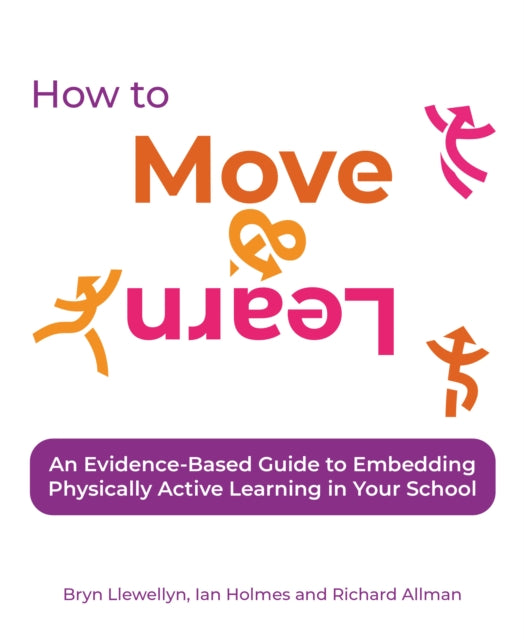
Bryn Llewellyn,Ian Holmes,Richard Allman
How to Move & Learn: An evidence-based guide to embedding physically active learning in your school
How to Move & Learn: An evidence-based guide to embedding physically active learning in your school
💎 Earn 90 Points (£0.90) on this item.
- Condition: Brand new
- UK Delivery times: Usually arrives within 2 - 3 working days
- UK Shipping: Fee starts at £2.39. Subject to product weight & dimension
Bulk ordering. Want 15 or more copies? Get a personalised quote and bigger discounts. Learn more about bulk orders.
Couldn't load pickup availability
- More about How to Move & Learn: An evidence-based guide to embedding physically active learning in your school
A practical guidebook for primary school teachers and leaders to embed more movement-based approaches in teaching and learning.
Format: Paperback / softback
Length: 152 pages
Publication date: 11 July 2022
Publisher: Crown House Publishing
This practical guidebook is designed to empower primary school teachers and leaders with the knowledge and confidence to incorporate more movement-based approaches into their teaching and learning practices. It offers a wealth of ideas, strategies, and resources to help educators create engaging and effective learning environments that promote physical activity and healthy lifestyles.
Introduction:
In today's fast-paced world, where technology and sedentary lifestyles dominate, it is more important than ever to prioritize physical activity and health in our education system. Research has shown that regular exercise can improve cognitive function, reduce stress, and enhance overall well-being. However, many primary school teachers and leaders may feel overwhelmed by the task of incorporating movement-based approaches into their teaching and learning practices.
This guidebook is intended to provide a comprehensive and practical resource for educators who want to integrate more movement into their classrooms. It will cover a range of topics, including:
• The benefits of movement-based learning for students
• Strategies for incorporating movement into the classroom
• Ideas for creating engaging and interactive lessons
• Examples of movement-based activities that can be used in different subject areas
• Tips for promoting physical activity and healthy lifestyles among students
Benefits of Movement-Based Learning:
Movement-based learning has numerous benefits for students, including:
• Improved cognitive function: Research has shown that physical activity can improve memory, attention, and problem-solving skills.
• Increased physical fitness: Regular exercise can help students develop strength, endurance, and coordination, which can improve their overall physical health and well-being.
• Reduced stress: Exercise has been shown to reduce stress levels and improve mood, which can have a positive impact on students' mental health and academic performance.
• Enhanced social skills: Movement-based activities can help students develop social skills, teamwork, and communication skills, which are essential for success in both the classroom and the real world.
Strategies for Incorporating Movement into the Classroom:
There are many different strategies for incorporating movement into the classroom, including:
• Whole-body movement: Whole-body movement activities involve moving all parts of the body, such as dancing, jumping, or playing games. These activities can be a great way to engage students and promote physical activity.
• Active learning: Active learning activities involve students actively participating in their learning, such as solving problems, conducting experiments, or creating projects. These activities can be a great way to promote physical activity and engage students in their learning.
• Flexible seating: Flexible seating options, such as standing desks or wobbly chairs, can help students stay active and engaged in their learning.
• Outdoor learning: Outdoor learning can be a great way to promote physical activity and connect with nature.
Ideas for Creating Engaging and Interactive Lessons:
There are many different ideas for creating engaging and interactive lessons that incorporate movement, including:
• Dance lessons: Dance lessons can be a great way to promote physical activity and creativity.
• Yoga lessons: Yoga lessons can be a great way to promote physical activity, relaxation, and mindfulness.
• Fitness challenges: Fitness challenges can be a great way to promote physical activity and healthy competition among students.
• Outdoor learning: Outdoor learning can be a great way to promote physical activity and connect with nature.
Examples of Movement-Based Activities:
There are many different examples of movement-based activities that can be used in different subject areas, including:
• Dancing: Dancing can be used to promote physical activity, creativity, and collaboration.
• Jumping rope: Jumping rope can be used to promote physical activity, coordination, and rhythm.
• Yoga: Yoga can be used to promote physical activity, relaxation, and mindfulness.
• Fitness challenges: Fitness challenges can be used to promote physical activity and healthy competition among students.
• Outdoor learning: Outdoor learning can be used to promote physical activity and connect with nature.
Tips for Promoting Physical Activity and Healthy Lifestyles among Students:
Promoting physical activity and healthy lifestyles among students is essential for creating a healthy and supportive learning environment. Here are some tips for promoting physical activity and healthy lifestyles among students:
• Create a positive classroom environment: Create a positive classroom environment that promotes physical activity and healthy lifestyles. Encourage students to be active and participate in physical activity.
• Provide access to physical activity resources: Provide access to physical activity resources, such as sports equipment, fitness centers, and outdoor spaces.
• Incorporate physical activity into the curriculum: Incorporate physical activity into the curriculum, such as physical education classes, recess, and physical activity breaks.
• Encourage healthy eating habits: Encourage healthy eating habits, such as eating fruits, vegetables, and whole grains.
• Promote mental health: Promote mental health, such as stress management and self-care practices, to support students' overall well-being.
Conclusion:
In conclusion, this practical guidebook is designed to empower primary school teachers and leaders with the knowledge and confidence to incorporate more movement-based approaches into their teaching and learning practices. By promoting physical activity and healthy lifestyles among students, educators can create engaging and effective learning environments that support students' academic and personal growth.
Introduction:
In today's fast-paced world, where technology and sedentary lifestyles dominate, it is more important than ever to prioritize physical activity and health in our education system. Research has shown that regular exercise can improve cognitive function, reduce stress, and enhance overall well-being. However, many primary school teachers and leaders may feel overwhelmed by the task of incorporating movement-based approaches into their teaching and learning practices.
Benefits of Movement-Based Learning:
Movement-based learning has numerous benefits for students, including:
- Improved cognitive function: Research has shown that physical activity can improve memory, attention, and problem-solving skills.
- Increased physical fitness: Regular exercise can help students develop strength, endurance, and coordination, which can improve their overall physical health and well-being.
- Reduced stress: Exercise has been shown to reduce stress levels and improve mood, which can have a positive impact on students' mental health and academic performance.
- Enhanced social skills: Movement-based activities can help students develop social skills, teamwork, and communication skills, which are essential for success in both the classroom and the real world.
Strategies for Incorporating Movement into the Classroom:
There are many different strategies for incorporating movement into the classroom, including:
- Whole-body movement: Whole-body movement activities involve moving all parts of the body, such as dancing, jumping, or playing games. These activities can be a great way to engage students and promote physical activity.
- Active learning: Active learning activities involve students actively participating in their learning, such as solving problems, conducting experiments, or creating projects. These activities can be a great way to promote physical activity and engage students in their learning.
- Flexible seating: Flexible seating options, such as standing desks or wobbly chairs, can help students stay active and engaged in their learning.
- Outdoor learning: Outdoor learning can be a great way to promote physical activity and connect with nature.
Ideas for Creating Engaging and Interactive Lessons:
There are many different ideas for creating engaging and interactive lessons that incorporate movement, including:
- Dance lessons: Dance lessons can be a great way to promote physical activity and creativity.
- Yoga lessons: Yoga lessons can be a great way to promote physical activity, relaxation, and mindfulness.
- Fitness challenges: Fitness challenges can be a great way to promote physical activity and healthy competition among students.
- Outdoor learning: Outdoor learning can be a great way to promote physical activity and connect with nature.
Examples of Movement-Based Activities:
There are many different examples of movement-based activities that can be used in different subject areas, including:
- Dancing: Dancing can be used to promote physical activity, creativity, and collaboration.
- Jumping rope: Jumping rope can be used to promote physical activity, coordination, and rhythm.
- Yoga: Yoga can be used to promote physical activity, relaxation, and mindfulness.
- Fitness challenges: Fitness challenges can be used to promote physical activity and healthy competition among students.
- Outdoor learning: Outdoor learning can be used to promote physical activity and connect with nature.
Tips for Promoting Physical Activity and Healthy Lifestyles among Students:
Promoting physical activity and healthy lifestyles among students is essential for creating a healthy and supportive learning environment. Here are some tips for promoting physical activity and healthy lifestyles among students:
- Create a positive classroom environment: Create a positive classroom environment that promotes physical activity and healthy lifestyles. Encourage students to be active and participate in physical activity.
- Provide access to physical activity resources: Provide access to physical activity resources, such as sports equipment, fitness centers, and outdoor spaces.
- Incorporate physical activity into the curriculum: Incorporate physical activity into the curriculum, such as physical education classes, recess, and physical activity breaks.
- Encourage healthy eating habits: Encourage healthy eating habits, such as eating fruits, vegetables, and whole grains.
- Promote mental health: Promote mental health, such as stress management and self-care practices, to support students' overall well-being.
Conclusion:
In conclusion, this practical guidebook is designed to empower primary school teachers and leaders with the knowledge and confidence to incorporate more movement-based approaches into their teaching and learning practices. By promoting physical activity and healthy lifestyles among students, educators can create engaging and effective learning environments that support students' academic and personal growth.
Dimension: 222 x 182 (mm)
ISBN-13: 9781785836312
UK and International shipping information
UK and International shipping information
UK Delivery and returns information:
- Delivery within 2 - 3 days when ordering in the UK.
- Shipping fee for UK customers from £2.39. Fully tracked shipping service available.
- Returns policy: Return within 30 days of receipt for full refund.
International deliveries:
Shulph Ink now ships to Australia, Belgium, Canada, France, Germany, Ireland, Italy, India, Luxembourg Saudi Arabia, Singapore, Spain, Netherlands, New Zealand, United Arab Emirates, United States of America.
- Delivery times: within 5 - 10 days for international orders.
- Shipping fee: charges vary for overseas orders. Only tracked services are available for most international orders. Some countries have untracked shipping options.
- Customs charges: If ordering to addresses outside the United Kingdom, you may or may not incur additional customs and duties fees during local delivery.