Shulph Ink
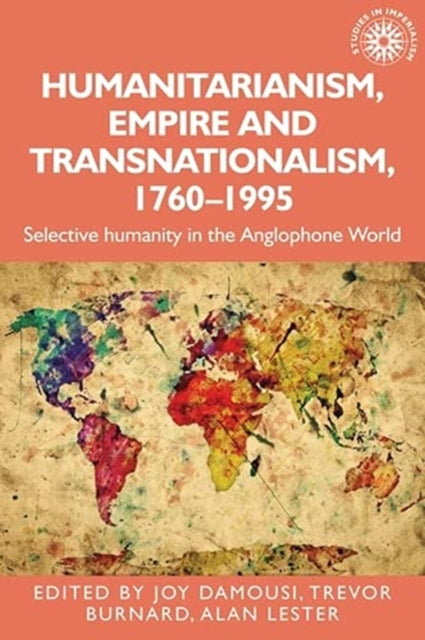
Humanitarianism, Empire and Transnationalism, 1760-1995: Selective Humanity in the Anglophone World
Humanitarianism, Empire and Transnationalism, 1760-1995: Selective Humanity in the Anglophone World
💎 Earn 398 Points (£3.98) on this item.
We can order this item for you. Delivery usually takes about 4 to 6 weeks.
This item is not held in our immediate stock. We will order it for you after checkout.
Estimated delivery: About 4 to 6 weeks
YOU SAVE £10.35
- Condition: Brand new
- UK Delivery times: Usually arrives within 2 - 3 working days
- UK Shipping: Fee starts at £3.89. Subject to product weight & dimension
Bulk ordering. Want 15 or more copies? Get a personalised quote and bigger discounts. Learn more about bulk orders.
Couldn't load pickup availability
- More about Humanitarianism, Empire and Transnationalism, 1760-1995: Selective Humanity in the Anglophone World
This book explores the evolving relationship between humanitarianism and the expansion, consolidation, and postcolonial transformation of the Anglophone world over three centuries, examining the trade-offs between humane concern and colonial and postcolonial realpolitik. It utilizes a range of methodologies and sources, including biography, interviews, archival inquiry, and work with and for Indigenous people.
Format: Hardback
Length: 368 pages
Publication date: 08 March 2022
Publisher: Manchester University Press
This groundbreaking book delves into the intricate and evolving relationship between humanitarianism and the expansion, consolidation, and postcolonial transformation of the Anglophone world over three centuries. Spanning from the late eighteenth-century antislavery campaign to the role of NGOs in balancing humanitarianism and human rights in the late twentieth century, it offers a comprehensive examination of this dynamic interplay. Contributors explore the complex trade-offs between humanitarian concern and the altered context of colonial and postcolonial realpolitik, shedding light on the challenges and complexities inherent in this relationship.
The book showcases a diverse range of methodologies and sources, including biographies of material objects, interviews, and conventional archival enquiry. Additionally, it incorporates work with and for Indigenous people whose family histories have been significantly shaped by 'humanitarian interventions, providing a unique perspective on the historical and contemporary implications of humanitarianism.
In the first chapter, the book establishes the historical backdrop of humanitarianism, tracing its roots in the Enlightenment and its evolution in response to the horrors of the slave trade and other forms of human suffering. It explores the early philanthropic efforts of individuals and organizations, such as the Society for the Abolition of the Slave Trade, and the role they played in shaping public opinion and advocating for abolition.
The second chapter delves into the colonial era, examining how humanitarianism was intertwined with the expansion and exploitation of European empires. It explores the ways in which colonial powers used humanitarian rhetoric to justify their actions, such as the "White Man's Burden" theory, which posited that it was the responsibility of Western nations to civilize and educate the "savage" populations of the colonies. However, the chapter also highlights the ways in which humanitarianism was used to mask the brutalities of colonialism, such as the forced displacement of Indigenous people and the exploitation of natural resources.
The third chapter examines the postcolonial era, focusing on the ways in which humanitarianism has continued to shape the political and social landscape of the Anglophone world. It explores the emergence of new humanitarian organizations, such as Amnesty International and the Red Cross, and their role in advocating for human rights and social justice. The chapter also examines the challenges faced by these organizations in balancing their humanitarian mission with the demands of national governments and international institutions.
In the fourth chapter, the book explores the role of NGOs in balancing humanitarianism and human rights. It examines the historical and contemporary challenges faced by these organizations, such as the politicization of aid, the prioritization of security over human rights, and the tensions between humanitarian intervention and long-term development. The chapter also highlights the innovative approaches taken by some NGOs, such as the use of technology and social media to raise awareness and mobilize support for their causes.
The fifth chapter examines the impact of humanitarianism on the lives of individuals and communities. It explores the ways in which humanitarian aid can provide relief and support to those affected by natural disasters, conflict, and other forms of human suffering, but also the ways in which it can perpetuate cycles of poverty and dependency. The chapter also examines the ethical dilemmas faced by humanitarian workers, such as the question of whether they should prioritize their own safety or the needs of the people they are trying to help.
The final chapter offers a reflection on the future of humanitarianism and the challenges it faces in the twenty-first century. It explores the role of new actors, such as private companies and social media influencers, in shaping the discourse of humanitarianism and the ways in which they can contribute to or undermine its goals. The chapter also examines the need for greater accountability and transparency in humanitarian organizations, as well as the importance of building partnerships between humanitarian actors and local communities to ensure that aid is effective and sustainable.
In conclusion, this groundbreaking book offers a comprehensive and nuanced exploration of the complex relationship between humanitarianism and the expansion, consolidation, and postcolonial transformation of the Anglophone world. It provides a valuable contribution to the field of humanitarian studies and sheds light on the challenges and complexities inherent in this dynamic interplay. By examining the trade-offs between humanitarian concern and the altered context of colonial and postcolonial realpolitik, the book offers a valuable insight into the historical and contemporary implications of humanitarianism and its role in shaping the world we live in today.
Weight: 686g
Dimension: 164 x 241 x 28 (mm)
ISBN-13: 9781526159557
UK and International shipping information
UK and International shipping information
We deliver throughout the United Kingdom and to 128 countries and territories worldwide, including the United States, Australia, Canada, Germany, Spain and France.