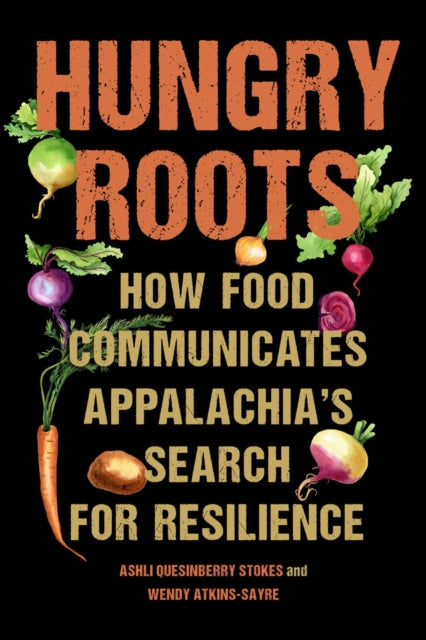
Ashli Quesinberry Stokes,Wendy Atkins-Sayre
Hungry Roots: How Food Communicates Appalachia's Search for Resilience
Hungry Roots: How Food Communicates Appalachia's Search for Resilience
💎 Earn 507 Points (£5.07) on this item.
- Condition: Brand new
- UK Delivery times: Usually arrives within 2 - 3 working days
- UK Shipping: Fee starts at £2.39. Subject to product weight & dimension
Bulk ordering. Want 15 or more copies? Get a personalised quote and bigger discounts. Learn more about bulk orders.
Couldn't load pickup availability
- More about Hungry Roots: How Food Communicates Appalachia's Search for Resilience
The Appalachian foodways reflect the resilience, culture, and history of the Appalachian people, showcasing their traditions and struggles. This cuisine is a testament to their ability to adapt and thrive in challenging circumstances.
Format: Hardback
Length: 252 pages
Publication date: 30 April 2024
Publisher: University of South Carolina Press
Appalachian cuisine is a rich tapestry of flavors, traditions, and stories that reflect the resilience, culture, and region of the Appalachian people.
From the hearty stews that warm the hearts and souls of those who savor them to the delicate pastries that showcase the region's culinary artistry, Appalachian cuisine is a testament to the ingenuity and determination of the people who have called this region home for generations.
The ingredients used in Appalachian cuisine are often sourced locally, reflecting the region's deep connection to the land and its people. From the fresh produce grown in the region's fertile valleys to the meats and cheeses produced by local farmers, each ingredient is carefully selected to ensure that the dishes are both delicious and sustainable.
One of the most iconic dishes in Appalachian cuisine is the "hot chicken," a spicy and flavorful dish that is typically served with biscuits, mashed potatoes, and coleslaw. This dish has its roots in the Southern United States, but it has been embraced by the Appalachian people and has become a staple of the region's culinary heritage.
Another notable feature of Appalachian cuisine is its emphasis on comfort food. Many of the dishes are designed to be hearty and filling, perfect for a cold winter day or a rainy day. From the "pot roast" that is slow-cooked to perfection to the "mac and cheese" that is creamy and cheesy, these dishes are sure to satisfy even the most discerning palate.
In addition to its delicious flavors, Appalachian cuisine is also a reflection of the region's rich cultural heritage. The dishes are often infused with traditional music, storytelling, and folklore, creating a sense of community and connection among those who share the region's traditions.
One example of this is the " storytelling dinner," a tradition that is popular in many Appalachian communities. During a storytelling dinner, guests are served a delicious meal while being entertained by a skilled storyteller who shares tales of the region's history, culture, and folklore.
Another important aspect of Appalachian cuisine is its ability to bring people together. Whether it is a family gathering, a community event, or a social gathering, Appalachian cuisine is a common denominator that unites people from all walks of life.
In conclusion, Appalachian cuisine is a rich tapestry of flavors, traditions, and stories that reflect the resilience, culture, and region of the Appalachian people. From the hearty stews that warm the hearts and souls of those who savor them to the delicate pastries that showcase the region's culinary artistry, Appalachian cuisine is a testament to the ingenuity and determination of the people who have called this region home for generations.
The ingredients used in Appalachian cuisine are often sourced locally, reflecting the region's deep connection to the land and its people. From the fresh produce grown in the region's fertile valleys to the meats and cheeses produced by local farmers, each ingredient is carefully selected to ensure that the dishes are both delicious and sustainable.
One of the most iconic dishes in Appalachian cuisine is the "hot chicken," a spicy and flavorful dish that is typically served with biscuits, mashed potatoes, and coleslaw. This dish has its roots in the Southern United States, but it has been embraced by the Appalachian people and has become a staple of the region's culinary heritage.
Another notable feature of Appalachian cuisine is its emphasis on comfort food. Many of the dishes are designed to be hearty and filling, perfect for a cold winter day or a rainy day. From the "pot roast" that is slow-cooked to perfection to the "mac and cheese" that is creamy and cheesy, these dishes are sure to satisfy even the most discerning palate.
In addition to its delicious flavors, Appalachian cuisine is also a reflection of the region's rich cultural heritage. The dishes are often infused with traditional music, storytelling, and folklore, creating a sense of community and connection among those who share the region's traditions.
One example of this is the " storytelling dinner," a tradition that is popular in many Appalachian communities. During a storytelling dinner, guests are served a delicious meal while being entertained by a skilled storyteller who shares tales of the region's history, culture, and folklore.
Another important aspect of Appalachian cuisine is its ability to bring people together. Whether it is a family gathering, a community event, or a social gathering, Appalachian cuisine is a common denominator that unites people from all walks of life.
In conclusion, Appalachian cuisine is a rich tapestry of flavors, traditions, and stories that reflect the resilience, culture, and region of the Appalachian people. From the hearty stews that warm the hearts and souls of those who savor them to the delicate pastries that showcase the region's culinary artistry, Appalachian cuisine is a testament to the ingenuity.
The ingredients used in Appalachian cuisine are often sourced locally, reflecting the region's deep connection to the land and its people. From the fresh produce grown in the region's fertile valleys to the meats and cheeses produced by local farmers, each ingredient is carefully selected to ensure that the dishes are both delicious and sustainable.
One of the most iconic dishes in Appalachian cuisine is the "hot chicken," a spicy and flavorful dish that is typically served with biscuits, mashed potatoes, and coleslaw. This dish has its roots in the Southern United States, but it has been embraced by the Appalachian people and has become a staple of the region's culinary heritage.
Another notable feature of Appalachian cuisine is its emphasis on comfort food. Many of the dishes are designed to be hearty and filling, perfect for a cold winter day or a rainy day. From the "pot roast" that is slow-cooked to perfection to the "mac and cheese" that is creamy and cheesy, these dishes are sure to satisfy even the most discerning palate.
In addition to its delicious flavors, Appalachian cuisine is also a reflection of the region's rich cultural heritage. The dishes are often infused with traditional music, storytelling, and folklore, creating a sense of community and connection among those who share the region's traditions.
One example of this is the " storytelling dinner," a tradition that is popular in many Appalachian communities. During a storytelling dinner, guests are served a delicious meal while being entertained by a skilled storyteller who shares tales of the region's history, culture, and folklore.
Another important aspect of Appalachian cuisine is its ability to bring people together. Whether it is a family gathering, a community event, or a social gathering, Appalachian cuisine is a common denominator that unites people from all walks of life.
In conclusion, Appalachian cuisine is a rich tapestry of flavors, traditions, and stories that reflect the resilience, culture, and region of the Appalachian people. From the hearty stews that warm the hearts and souls of those who savor them to the delicate pastries that showcase the region's culinary artistry, Appalachian cuisine is a testament to the ingenuity and determination of the people who have called this region home for generations.
The ingredients used in Appalachian cuisine are often sourced locally, reflecting the region's deep connection to the land and its people. From the fresh produce grown in the region's fertile valleys to the meats and cheeses produced by local farmers, each ingredient is carefully selected to ensure that the dishes are both delicious and sustainable.
One of the most iconic dishes in Appalachian cuisine is the "hot chicken," a spicy and flavorful dish that is typically served with biscuits, mashed potatoes, and coleslaw. This dish has its roots in the Southern United States, but it has been embraced by the Appalachian people and has become a staple of the region's culinary heritage.
Another notable feature of Appalachian cuisine is its emphasis on comfort food. Many of the dishes are designed to be hearty and filling, perfect for a cold winter day or a rainy day. From the "pot roast" that is slow-cooked to perfection to the "mac and cheese" that is creamy and cheesy, these dishes are sure to satisfy even the most discerning palate.
In addition to its delicious flavors, Appalachian cuisine is also a reflection of the region's rich cultural heritage. The dishes are often infused with traditional music, storytelling, and folklore, creating a sense of community and connection among those who share the region's traditions.
One example of this is the " storytelling dinner," a tradition that is popular in many Appalachian communities. During a storytelling dinner, guests are served a delicious meal while being entertained by a skilled storyteller who shares tales of the region's history, culture, and folklore.
Another important aspect of Appalachian cuisine is its ability to bring people together. Whether it is a family gathering, a community event, or a social gathering, Appalachian cuisine is a common denominator that unites people from all walks of life.
In conclusion, Appalachian cuisine is a rich tapestry of flavors, traditions, and stories that reflect the resilience, culture, and region of the Appalachian people. From the hearty stews that warm the hearts and souls of those who savor them to the delicate pastries that showcase the region's culinary artistry, Appalachian cuisine is a testament to the ingenuity and determination of the people who have called this region home for generations.
The ingredients used in Appalachian cuisine are often sourced locally, reflecting the region's deep connection to the land and its people. From the fresh produce grown in the region's fertile valleys to the meats and cheeses produced by local farmers, each ingredient is carefully selected to ensure that the dishes are both delicious and sustainable.
One of the most iconic dishes in Appalachian cuisine is the "hot chicken," a spicy and flavorful dish that is typically served with biscuits, mashed potatoes, and coleslaw. This dish has its roots in the Southern United States, but it has been embraced by the Appalachian people and has become a staple of the region's culinary heritage.
Another notable feature of Appalachian cuisine is its emphasis on comfort food. Many of the dishes are designed to be hearty and filling, perfect for a cold winter day or a rainy day. From the "pot roast" that is slow-cooked to perfection to the "mac and cheese" that is creamy and cheesy, these dishes are sure to satisfy even the most discerning palate.
In addition to its delicious flavors, Appalachian cuisine is also a reflection of the region's rich cultural heritage. The dishes are often infused with traditional music, storytelling, and folklore, creating a sense of community and connection among those who share the region's traditions.
One example of this is the " storytelling dinner," a tradition that is popular in many Appalachian communities. During a storytelling dinner, guests are served a delicious meal while being entertained by a skilled storyteller who shares tales of the region's history, culture, and folklore.
Another important aspect of Appalachian cuisine is its ability to bring people together. Whether it is a family gathering, a community event, or a social gathering, Appalachian cuisine is a common denominator that unites people from all walks of life.
In conclusion, Appalachian cuisine is a rich tapestry of flavors, traditions, and stories that reflect the resilience, culture, and region of the Appalachian people. From the hearty stews that warm the hearts and souls of those who savor them to the delicate pastries that showcase the region's culinary artistry, Appalachian cuisine is a testament to the ingenuity and determination of the people who have called this region home for generations.
The ingredients used in Appalachian cuisine are often sourced locally, reflecting the region's deep connection to the land and its people. From the fresh produce grown in the region's fertile valleys to the meats and cheeses produced by local farmers, each ingredient is carefully selected to ensure that the dishes are both delicious and sustainable.
One of the most iconic dishes in Appalachian cuisine is the "hot chicken," a spicy and flavorful dish that is typically served with biscuits, mashed potatoes, and coleslaw. This dish has its roots in the Southern United States, but it has been embraced by the Appalachian people and has become a staple of the region's culinary heritage.
Another notable feature of Appalachian cuisine is its emphasis on comfort food. Many of the dishes are designed to be hearty and filling, perfect for a cold winter day or a rainy day. From the "pot roast" that is slow-cooked to perfection to the "mac and cheese" that is creamy and cheesy, these dishes are sure to satisfy even the most discerning palate.
In addition to its delicious flavors, Appalachian cuisine is also a reflection of the region's rich cultural heritage. The dishes are often infused with traditional music, storytelling, and folklore, creating a sense of community and connection among those who share the region's traditions.
One example of this is the " storytelling dinner," a tradition that is popular in many Appalachian communities. During a storytelling dinner, guests are served a delicious meal while being entertained by a skilled storyteller who shares tales of the region's history, culture, and folklore.
Another important aspect of Appalachian cuisine is its ability to bring people together. Whether it is a family gathering, a community event, or a social gathering, Appalachian cuisine is a common denominator that unites people from all walks of life.
In conclusion, Appalachian cuisine is a rich tapestry of flavors, traditions, and stories that reflect the resilience, culture, and region of the Appalachian people. From the hearty stews that warm the hearts and souls of those who savor them to the delicate pastries that showcase the region's culinary artistry, Appalachian cuisine is a testament to the ingenuity and determination of the people who have called this region home for generations.
The ingredients used in Appalachian cuisine are often sourced locally, reflecting the region's deep connection to the land and its people. From the fresh produce grown in the region's fertile valleys to the meats and cheeses produced by local farmers, each ingredient is carefully selected to ensure that the dishes are both delicious and sustainable.
One of the most iconic dishes in Appalachian cuisine is the "hot chicken," a spicy and flavorful dish that is typically served with biscuits, mashed potatoes, and coleslaw. This dish has its roots in the Southern United States, but it has been embraced by the Appalachian people and has become a staple of the region's culinary heritage.
Another notable feature of Appalachian cuisine is its emphasis on comfort food. Many of the dishes are designed to be hearty and filling, perfect for a cold winter day or a rainy day. From the "pot roast" that is slow-cooked to perfection to the "mac and cheese" that is creamy and cheesy, these dishes are sure to satisfy even the most discerning palate.
In addition to its delicious flavors, Appalachian cuisine is also a reflection of the region's rich cultural heritage. The dishes are often infused with traditional music, storytelling, and folklore, creating a sense of community and connection among those who share the region's traditions.
One example of this is the " storytelling dinner," a tradition that is popular in many Appalachian communities. During a storytelling dinner, guests are served a delicious meal while being entertained by a skilled storyteller who shares tales of the region's history, culture, and folklore.
Another important aspect of Appalachian cuisine is its ability to bring people together. Whether it is a family gathering, a community event, or a social gathering, Appalachian cuisine is a common denominator that unites people from all walks of life.
In conclusion, Appalachian cuisine is a rich tapestry of flavors, traditions, and stories that reflect the resilience, culture, and region of the Appalachian people. From the hearty stews that warm the hearts and souls of those who savor them to the delicate pastries that showcase the region's culinary artistry, Appalachian cuisine is a testament to the ingenuity and determination of the people who have called this region home for generations.
The ingredients used in Appalachian cuisine are often sourced locally, reflecting the region's deep connection to the land and its people. From the fresh produce grown in the region's fertile valleys to the meats and cheeses produced by local farmers, each ingredient is carefully selected to ensure that the dishes are both delicious and sustainable.
One of the most iconic dishes in Appalachian cuisine is the "hot chicken," a spicy and flavorful dish that is typically served with biscuits, mashed potatoes, and coleslaw. This dish has its roots in the Southern United States, but it has been embraced by the Appalachian people and has become a staple of the region's culinary heritage.
Another notable feature of Appalachian cuisine is its emphasis on comfort food. Many of the dishes are designed to be hearty and filling, perfect for a cold winter day or a rainy day. From the "pot roast" that is slow-cooked to perfection to the "mac and cheese" that is creamy and cheesy, these dishes are sure to satisfy even the most discerning palate.
In addition to its delicious flavors, Appalachian cuisine is also a reflection of the region's rich cultural heritage. The dishes are often infused with traditional music, storytelling, and folklore, creating a sense of community and connection among those who share the region's traditions.
One example of this is the " storytelling dinner," a tradition that is popular in many Appalachian communities. During a storytelling dinner, guests are served a delicious meal while being entertained by a skilled storyteller who shares tales of the region's history, culture, and folklore.
Another important aspect of Appalachian cuisine is its ability to bring people together. Whether it is a family gathering, a community event, or a social gathering, Appalachian cuisine is a common denominator that unites people from all walks of life.
In conclusion, Appalachian cuisine is a rich tapestry of flavors, traditions, and stories that reflect the resilience, culture, and region of the Appalachian people. From the hearty stews that warm the hearts and souls of those who savor them to the delicate pastries that showcase the region's culinary artistry, Appalachian cuisine is a testament to the ingenuity and determination of the people who have called this region home for generations.
The ingredients used in Appalachian cuisine are often sourced locally, reflecting the region's deep connection to the land and its people. From the fresh produce grown in the region's fertile valleys to the meats and cheeses produced by local farmers, each ingredient is carefully selected to ensure that the dishes are both delicious and sustainable.
One of the most iconic dishes in Appalachian cuisine is the "hot chicken," a spicy and flavorful dish that is typically served with biscuits, mashed potatoes, and coleslaw. This dish has its roots in the Southern United States, but it has been embraced by the Appalachian people and has become a staple of the region's culinary heritage.
Another notable feature of Appalachian cuisine is its emphasis on comfort food. Many of the dishes are designed to be hearty and filling, perfect for a cold winter day or a rainy day. From the "pot roast" that is slow-cooked to perfection to the "mac and cheese" that is creamy and cheesy, these dishes are sure to satisfy even the most discerning palate.
In addition to its delicious flavors, Appalachian cuisine is also a reflection of the region's rich cultural heritage. The dishes are often infused with traditional music, storytelling, and folklore, creating a sense of community and connection among those who share the region's traditions.
One example of this is the " storytelling dinner," a tradition that is popular in many Appalachian communities. During a storytelling dinner, guests are served a delicious meal while being entertained by a skilled storyteller who shares tales of the region's history, culture, and folklore.
Another important aspect of Appalachian cuisine is its ability to bring people together. Whether it is a family gathering, a community event, or a social gathering, Appalachian cuisine is a common denominator that unites people from all walks of life.
In conclusion, Appalachian cuisine is a rich tapestry of flavors, traditions, and stories that reflect the resilience, culture, and region of the Appalachian people. From the hearty stews that warm the hearts and souls of those who savor them to the delicate pastries that showcase the region's culinary artistry, Appalachian cuisine is a testament to the ingenuity and determination of the people who have called this region home for generations.
Dimension: 229 x 152 (mm)
ISBN-13: 9781643364735
This item can be found in:
UK and International shipping information
UK and International shipping information
UK Delivery and returns information:
- Delivery within 2 - 3 days when ordering in the UK.
- Shipping fee for UK customers from £2.39. Fully tracked shipping service available.
- Returns policy: Return within 30 days of receipt for full refund.
International deliveries:
Shulph Ink now ships to Australia, Belgium, Canada, France, Germany, Ireland, Italy, India, Luxembourg Saudi Arabia, Singapore, Spain, Netherlands, New Zealand, United Arab Emirates, United States of America.
- Delivery times: within 5 - 10 days for international orders.
- Shipping fee: charges vary for overseas orders. Only tracked services are available for most international orders. Some countries have untracked shipping options.
- Customs charges: If ordering to addresses outside the United Kingdom, you may or may not incur additional customs and duties fees during local delivery.