USA The International Council for Machinery Lubrication
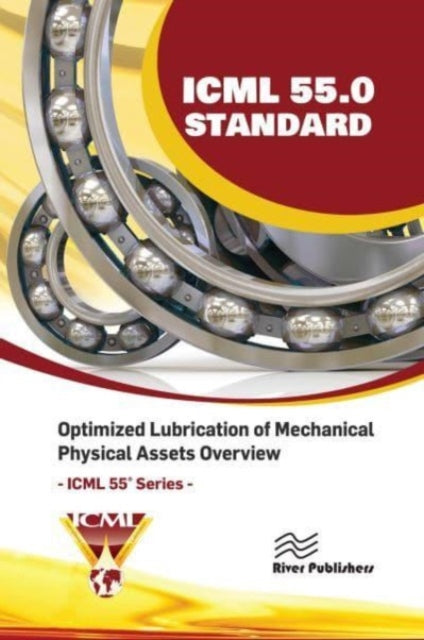
ICML 55.0 – Optimized Lubrication of Mechanical Physical Assets Overview
ICML 55.0 – Optimized Lubrication of Mechanical Physical Assets Overview
💎 Earn 95 Points (£0.95) on this item.
YOU SAVE £0.96
- Condition: Brand new
- UK Delivery times: Usually arrives within 2 - 3 working days
- UK Shipping: Fee starts at £2.39. Subject to product weight & dimension
Bulk ordering. Want 15 or more copies? Get a personalised quote and bigger discounts. Learn more about bulk orders.
Couldn't load pickup availability
- More about ICML 55.0 – Optimized Lubrication of Mechanical Physical Assets Overview
ICML 55.0 provides an overview of a lubrication management system and processes for managing physical assets related to lubrication. It is part of a series of standards documents and is intended for use in association with other ICML standards.
Format: Paperback / softback
Length: 20 pages
Publication date: 21 December 2023
Publisher: River Publishers
The International Council for Machinery Lubrication (ICML) has released its latest edition, ICML 55.0, which serves as an essential guide for organizations seeking to implement effective lubrication management systems. This comprehensive standard encompasses a wide range of topics, including an overview of lubrication management systems and processes, principles, and terminology.
Designed to be used in conjunction with other ICML standards, such as ICML 55.1, ICML 55.2, and ICML 55.3, ICML 55.0 provides a structured framework for organizations to optimize their lubrication practices. It emphasizes the importance of proper lubrication in maintaining the reliability and efficiency of mechanical assets, and outlines the steps that organizations can take to establish and maintain a successful lubrication management program.
One of the key features of ICML 55.0 is its emphasis on the importance of asset management. The standard recognizes that lubrication is not just a standalone activity but is integral to the overall management of physical assets. It encourages organizations to adopt a holistic approach to asset management, which includes the identification, classification, and prioritization of assets based on their criticality and potential impact on business operations.
ICML 55.0 also provides detailed guidance on the selection and application of lubricants and lubrication equipment. It outlines the criteria that should be considered when selecting lubricants, such as viscosity, base oil type, and additives, and explains the importance of proper lubrication equipment maintenance and calibration. The standard also emphasizes the importance of monitoring and analyzing lubrication data to identify trends, optimize lubrication practices, and prevent potential problems.
In addition to its technical aspects, ICML 55.0 also addresses the cultural and organizational challenges that can arise when implementing lubrication management systems. It encourages organizations to develop a culture of lubrication excellence, which involves training and empowering employees to take ownership of lubrication activities. It also emphasizes the importance of effective communication and collaboration between different departments and stakeholders, such as maintenance, operations, and quality assurance.
Overall, ICML 55.0 is a valuable resource for organizations seeking to improve their lubrication management practices. By providing a comprehensive framework for establishing and maintaining effective lubrication management systems, the standard helps organizations to optimize their asset management, reduce downtime, and improve their overall operational efficiency.
The International Council for Machinery Lubrication (ICML) has released its latest edition, ICML 55.0, which serves as an essential guide for organizations seeking to implement effective lubrication management systems. This comprehensive standard encompasses a wide range of topics, including an overview of lubrication management systems and processes, principles, and terminology.
Designed to be used in conjunction with other ICML standards, such as ICML 55.1, ICML 55.2, and ICML 55.3, ICML 55.0 provides a structured framework for organizations to optimize their lubrication practices. It emphasizes the importance of proper lubrication in maintaining the reliability and efficiency of mechanical assets, and outlines the steps that organizations can take to establish and maintain a successful lubrication management program.
One of the key features of ICML 55.0 is its emphasis on the importance of asset management. The standard recognizes that lubrication is not just a standalone activity but is integral to the overall management of physical assets. It encourages organizations to adopt a holistic approach to asset management, which includes the identification, classification, and prioritization of assets based on their criticality and potential impact on business operations.
ICML 55.0 also provides detailed guidance on the selection and application of lubricants and lubrication equipment. It outlines the criteria that should be considered when selecting lubricants, such as viscosity, base oil type, and additives, and explains the importance of proper lubrication equipment maintenance and calibration. The standard also emphasizes the importance of monitoring and analyzing lubrication data to identify trends, optimize lubrication practices, and prevent potential problems.
In addition to its technical aspects, ICML 55.0 also addresses the cultural and organizational challenges that can arise when implementing lubrication management systems. It encourages organizations to develop a culture of lubrication excellence, which involves training and empowering employees to take ownership of lubrication activities. It also emphasizes the importance of effective communication and collaboration between different departments and stakeholders, such as maintenance, operations, and quality assurance.
Overall, ICML 55.0 is a valuable resource for organizations seeking to improve their lubrication management practices. By providing a comprehensive framework for establishing and maintaining effective lubrication management systems, the standard helps organizations to optimize their asset management, reduce downtime, and improve their overall operational efficiency.
The International Council for Machinery Lubrication (ICML) has released its latest edition, ICML 55.0, which serves as an essential guide for organizations seeking to implement effective lubrication management systems. This comprehensive standard encompasses a wide range of topics, including an overview of lubrication management systems and processes, principles, and terminology.
Designed to be used in conjunction with other ICML standards, such as ICML 55.1, ICML 55.2, and ICML 55.3, ICML 55.0 provides a structured framework for organizations to optimize their lubrication practices. It emphasizes the importance of proper lubrication in maintaining the reliability and efficiency of mechanical assets, and outlines the steps that organizations can take to establish and maintain a successful lubrication management program.
One of the key features of ICML 55.0 is its emphasis on the importance of asset management. The standard recognizes that lubrication is not just a standalone activity but is integral to the overall management of physical assets. It encourages organizations to adopt a holistic approach to asset management, which includes the identification, classification, and prioritization of assets based on their criticality and potential impact on business operations.
ICML 55.0 also provides detailed guidance on the selection and application of lubricants and lubrication equipment. It outlines the criteria that should be considered when selecting lubricants, such as viscosity, base oil type, and additives, and explains the importance of proper lubrication equipment maintenance and calibration. The standard also emphasizes the importance of monitoring and analyzing lubrication data to identify trends, optimize lubrication practices, and prevent potential problems.
In addition to its technical aspects, ICML 55.0 also addresses the cultural and organizational challenges that can arise when implementing lubrication management systems. It encourages organizations to develop a culture of lubrication excellence, which involves training and empowering employees to take ownership of lubrication activities. It also emphasizes the importance of effective communication and collaboration between different departments and stakeholders, such as maintenance, operations, and quality assurance.
Overall, ICML 55.0 is a valuable resource for organizations seeking to improve their lubrication management practices. By providing a comprehensive framework for establishing and maintaining effective lubrication management systems, the standard helps organizations to optimize their asset management, reduce downtime, and improve their overall operational efficiency.
The International Council for Machinery Lubrication (ICML) has released its latest edition, ICML 55.0, which serves as an essential guide for organizations seeking to implement effective lubrication management systems. This comprehensive standard encompasses a wide range of topics, including an overview of lubrication management systems and processes, principles, and terminology.
Designed to be used in conjunction with other ICML standards, such as ICML 55.1, ICML 55.2, and ICML 55.3, ICML 55.0 provides a structured framework for organizations to optimize their lubrication practices. It emphasizes the importance of proper lubrication in maintaining the reliability and efficiency of mechanical assets, and outlines the steps that organizations can take to establish and maintain a successful lubrication management program.
One of the key features of ICML 55.0 is its emphasis on the importance of asset management. The standard recognizes that lubrication is not just a standalone activity but is integral to the overall management of physical assets. It encourages organizations to adopt a holistic approach to asset management, which includes the identification, classification, and prioritization of assets based on their criticality and potential impact on business operations.
ICML 55.0 also provides detailed guidance on the selection and application of lubricants and lubrication equipment. It outlines the criteria that should be considered when selecting lubricants, such as viscosity, base oil type, and additives, and explains the importance of proper lubrication equipment maintenance and calibration. The standard also emphasizes the importance of monitoring and analyzing lubrication data to identify trends, optimize lubrication practices, and prevent potential problems.
In addition to its technical aspects, ICML 55.0 also addresses the cultural and organizational challenges that can arise when implementing lubrication management systems. It encourages organizations to develop a culture of lubrication excellence, which involves training and empowering employees to take ownership of lubrication activities. It also emphasizes the importance of effective communication and collaboration between different departments and stakeholders, such as maintenance, operations, and quality assurance.
Overall, ICML 55.0 is a valuable resource for organizations seeking to improve their lubrication management practices. By providing a comprehensive framework for establishing and maintaining effective lubrication management systems, the standard helps organizations to optimize their asset management, reduce downtime, and improve their overall operational efficiency.
The International Council for Machinery Lubrication (ICML) has released its latest edition, ICML 55.0, which serves as an essential guide for organizations seeking to implement effective lubrication management systems. This comprehensive standard encompasses a wide range of topics, including an overview of lubrication management systems and processes, principles, and terminology.
Designed to be used in conjunction with other ICML standards, such as ICML 55.1, ICML 55.2, and ICML 55.3, ICML 55.0 provides a structured framework for organizations to optimize their lubrication practices. It emphasizes the importance of proper lubrication in maintaining the reliability and efficiency of mechanical assets, and outlines the steps that organizations can take to establish and maintain a successful lubrication management program.
One of the key features of ICML 55.0 is its emphasis on the importance of asset management. The standard recognizes that lubrication is not just a standalone activity but is integral to the overall management of physical assets. It encourages organizations to adopt a holistic approach to asset management, which includes the identification, classification, and prioritization of assets based on their criticality and potential impact on business operations.
ICML 55.0 also provides detailed guidance on the selection and application of lubricants and lubrication equipment. It outlines the criteria that should be considered when selecting lubricants, such as viscosity, base oil type, and additives, and explains the importance of proper lubrication equipment maintenance and calibration. The standard also emphasizes the importance of monitoring and analyzing lubrication data to identify trends, optimize lubrication practices, and prevent potential problems.
In addition to its technical aspects, ICML 55.0 also addresses the cultural and organizational challenges that can arise when implementing lubrication management systems. It encourages organizations to develop a culture of lubrication excellence, which involves training and empowering employees to take ownership of lubrication activities. It also emphasizes the importance of effective communication and collaboration between different departments and stakeholders, such as maintenance, operations, and quality assurance.
Overall, ICML 55.0 is a valuable resource for organizations seeking to improve their lubrication management practices. By providing a comprehensive framework for establishing and maintaining effective lubrication management systems, the standard helps organizations to optimize their asset management, reduce downtime, and improve their overall operational efficiency.
The International Council for Machinery Lubrication (ICML) has released its latest edition, ICML 55.0, which serves as an essential guide for organizations seeking to implement effective lubrication management systems. This comprehensive standard encompasses a wide range of topics, including an overview of lubrication management systems and processes, principles, and terminology.
Designed to be used in conjunction with other ICML standards, such as ICML 55.1, ICML 55.2, and ICML 55.3, ICML 55.0 provides a structured framework for organizations to optimize their lubrication practices. It emphasizes the importance of proper lubrication in maintaining the reliability and efficiency of mechanical assets, and outlines the steps that organizations can take to establish and maintain a successful lubrication management program.
One of the key features of ICML 55.0 is its emphasis on the importance of asset management. The standard recognizes that lubrication is not just a standalone activity but is integral to the overall management of physical assets. It encourages organizations to adopt a holistic approach to asset management, which includes the identification, classification, and prioritization of assets based on their criticality and potential impact on business operations.
ICML 55.0 also provides detailed guidance on the selection and application of lubricants and lubrication equipment. It outlines the criteria that should be considered when selecting lubricants, such as viscosity, base oil type, and additives, and explains the importance of proper lubrication equipment maintenance and calibration. The standard also emphasizes the importance of monitoring and analyzing lubrication data to identify trends, optimize lubrication practices, and prevent potential problems.
In addition to its technical aspects, ICML 55.0 also addresses the cultural and organizational challenges that can arise when implementing lubrication management systems. It encourages organizations to develop a culture of lubrication excellence, which involves training and empowering employees to take ownership of lubrication activities. It also emphasizes the importance of effective communication and collaboration between different departments and stakeholders, such as maintenance, operations, and quality assurance.
Overall, ICML 55.0 is a valuable resource for organizations seeking to improve their lubrication management practices. By providing a comprehensive framework for establishing and maintaining effective lubrication management systems, the standard helps organizations to optimize their asset management, reduce downtime, and improve their overall operational efficiency.
The International Council for Machinery Lubrication (ICML) has released its latest edition, ICML 55.0, which serves as an essential guide for organizations seeking to implement effective lubrication management systems. This comprehensive standard encompasses a wide range of topics, including an overview of lubrication management systems and processes, principles, and terminology.
Designed to be used in conjunction with other ICML standards, such as ICML 55.1, ICML 55.2, and ICML 55.3, ICML 55.0 provides a structured framework for organizations to optimize their lubrication practices. It emphasizes the importance of proper lubrication in maintaining the reliability and efficiency of mechanical assets, and outlines the steps that organizations can take to establish and maintain a successful lubrication management program.
One of the key features of ICML 55.0 is its emphasis on the importance of asset management. The standard recognizes that lubrication is not just a standalone activity but is integral to the overall management of physical assets. It encourages organizations to adopt a holistic approach to asset management, which includes the identification, classification, and prioritization of assets based on their criticality and potential impact on business operations.
ICML 55.0 also provides detailed guidance on the selection and application of lubricants and lubrication equipment. It outlines the criteria that should be considered when selecting lubricants, such as viscosity, base oil type, and additives, and explains the importance of proper lubrication equipment maintenance and calibration. The standard also emphasizes the importance of monitoring and analyzing lubrication data to identify trends, optimize lubrication practices, and prevent potential problems.
In addition to its technical aspects, ICML 55.0 also addresses the cultural and organizational challenges that can arise when implementing lubrication management systems. It encourages organizations to develop a culture of lubrication excellence, which involves training and empowering employees to take ownership of lubrication activities. It also emphasizes the importance of effective communication and collaboration between different departments and stakeholders, such as maintenance, operations, and quality assurance.
Overall, ICML 55.0 is a valuable resource for organizations seeking to improve their lubrication management practices. By providing a comprehensive framework for establishing and maintaining effective lubrication management systems, the standard helps organizations to optimize their asset management, reduce downtime, and improve their overall operational efficiency.
The International Council for Machinery Lubrication (ICML) has released its latest edition, ICML 55.0, which serves as an essential guide for organizations seeking to implement effective lubrication management systems. This comprehensive standard encompasses a wide range of topics, including an overview of lubrication management systems and processes, principles, and terminology.
Designed to be used in conjunction with other ICML standards, such as ICML 55.1, ICML 55.2, and ICML 55.3, ICML 55.0 provides a structured framework for organizations to optimize their lubrication practices. It emphasizes the importance of proper lubrication in maintaining the reliability and efficiency of mechanical assets, and outlines the steps that organizations can take to establish and maintain a successful lubrication management program.
One of the key features of ICML 55.0 is its emphasis on the importance of asset management. The standard recognizes that lubrication is not just a standalone activity but is integral to the overall management of physical assets. It encourages organizations to adopt a holistic approach to asset management, which includes the identification, classification, and prioritization of assets based on their criticality and potential impact on business operations.
ICML 55.0 also provides detailed guidance on the selection and application of lubricants and lubrication equipment. It outlines the criteria that should be considered when selecting lubricants, such as viscosity, base oil type, and additives, and explains the importance of proper lubrication equipment maintenance and calibration. The standard also emphasizes the importance of monitoring and analyzing lubrication data to identify trends, optimize lubrication practices, and prevent potential problems.
In addition to its technical aspects, ICML 55.0 also addresses the cultural and organizational challenges that can arise when implementing lubrication management systems. It encourages organizations to develop a culture of lubrication excellence, which involves training and empowering employees to take ownership of lubrication activities. It also emphasizes the importance of effective communication and collaboration between different departments and stakeholders, such as maintenance, operations, and quality assurance.
Overall, ICML 55.0 is a valuable resource for organizations seeking to improve their lubrication management practices. By providing a comprehensive framework for establishing and maintaining effective lubrication management systems, the standard helps organizations to optimize their asset management, reduce downtime, and improve their overall operational efficiency.
The International Council for Machinery Lubrication (ICML) has released its latest edition, ICML 55.0, which serves as an essential guide for organizations seeking to implement effective lubrication management systems. This comprehensive standard encompasses a wide range of topics, including an overview of lubrication management systems and processes, principles, and terminology.
Designed to be used in conjunction with other ICML standards, such as ICML 55.1, ICML 55.2, and ICML 55.3, ICML 55.0 provides a structured framework for organizations to optimize their lubrication practices. It emphasizes the importance of proper lubrication in maintaining the reliability and efficiency of mechanical assets, and outlines the steps that organizations can take to establish and maintain a successful lubrication management program.
One of the key features of ICML 55.0 is its emphasis on the importance of asset management. The standard recognizes that lubrication is not just a standalone activity but is integral to the overall management of physical assets. It encourages organizations to adopt a holistic approach to asset management, which includes the identification, classification, and prioritization of assets based on their criticality and potential impact on business operations.
ICML 55.0 also provides detailed guidance on the selection and application of lubricants and lubrication equipment. It outlines the criteria that should be considered when selecting lubricants, such as viscosity, base oil type, and additives, and explains the importance of proper lubrication equipment maintenance and calibration. The standard also emphasizes the importance of monitoring and analyzing lubrication data to identify trends, optimize lubrication practices, and prevent potential problems.
In addition to its technical aspects, ICML 55.0 also addresses the cultural and organizational challenges that can arise when implementing lubrication management systems. It encourages organizations to develop a culture of lubrication excellence, which involves training and empowering employees to take ownership of lubrication activities. It also emphasizes the importance of effective communication and collaboration between different departments and stakeholders, such as maintenance, operations, and quality assurance.
Overall, ICML 55.0 is a valuable resource for organizations seeking to improve their lubrication management practices. By providing a comprehensive framework for establishing and maintaining effective lubrication management systems, the standard helps organizations to optimize their asset management, reduce downtime, and improve their overall operational efficiency.
Weight: 70g
Dimension: 234 x 156 (mm)
ISBN-13: 9788770040334
This item can be found in:
UK and International shipping information
UK and International shipping information
UK Delivery and returns information:
- Delivery within 2 - 3 days when ordering in the UK.
- Shipping fee for UK customers from £2.39. Fully tracked shipping service available.
- Returns policy: Return within 30 days of receipt for full refund.
International deliveries:
Shulph Ink now ships to Australia, Belgium, Canada, France, Germany, Ireland, Italy, India, Luxembourg Saudi Arabia, Singapore, Spain, Netherlands, New Zealand, United Arab Emirates, United States of America.
- Delivery times: within 5 - 10 days for international orders.
- Shipping fee: charges vary for overseas orders. Only tracked services are available for most international orders. Some countries have untracked shipping options.
- Customs charges: If ordering to addresses outside the United Kingdom, you may or may not incur additional customs and duties fees during local delivery.