NiviManchanda
Imagining Afghanistan: The History and Politics of Imperial Knowledge
Imagining Afghanistan: The History and Politics of Imperial Knowledge
💎 Earn 127 Points (£1.27) on this item.
We can order this item for you. Delivery usually takes about 4 to 6 weeks.
This item is not held in our immediate stock. We will order it for you after checkout.
Estimated delivery: About 4 to 6 weeks
YOU SAVE £1.51
- Condition: Brand new
- UK Delivery times: Usually arrives within 2 - 3 working days
- UK Shipping: Fee starts at £2.39. Subject to product weight & dimension
Bulk ordering. Want 15 or more copies? Get a personalised quote and bigger discounts. Learn more about bulk orders.
Couldn't load pickup availability
- More about Imagining Afghanistan: The History and Politics of Imperial Knowledge
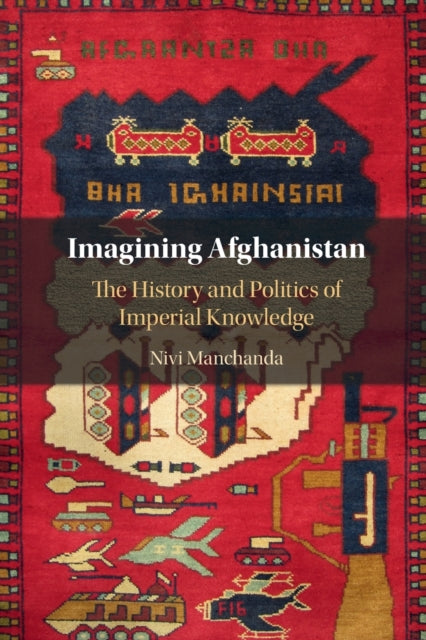
Nivi Manchanda's book explores how Afghanistan has been portrayed to the world, arguing that it occupies a distinctive place in the imperial imagination due to its history of imperial intervention. She re-historicises and de-mythologises the study of Afghanistan by critiquing colonial forms of knowledge and demonstrating how Western conceptions have enabled intervention, invasion, and bombing in the region.
Format: Paperback / softback
Length: 263 pages
Publication date: 15 December 2022
Publisher: Cambridge University Press
Over time and across various genres, Afghanistan has been portrayed to the world as a potential ally, a dangerous enemy, a gendered space, and a mysterious locale. These powerful, if competing, visions aim to make sense of Afghanistan and to render it legible. In this innovative examination, Nivi Manchanda uncovers and critically explores Anglophone practices of knowledge cultivation and representational strategies, and argues that Afghanistan occupies a distinctive place in the imperial imagination: overdetermined and under-theorised, largely due to the particular history of imperial intervention in the region. Focusing on representations of gender, state, and tribes, Manchanda re-historicises and de-mythologises the study of Afghanistan through a sustained critique of colonial forms of knowing and demonstrates how the development of pervasive tropes in Western conceptions of Afghanistan have enabled Western intervention, invasion, and bombing in the region from the nineteenth century to the present.
The representation of Afghanistan has been a complex and multifaceted phenomenon, shaped by a range of historical, cultural, and political factors. From the early colonial era to the present day, Afghanistan has been depicted as a land of exoticism, mystery, and danger, often portrayed as a place where Western powers can exert their influence and control. However, these representations have also been contested and challenged, with many scholars and activists arguing that they are inaccurate, harmful, and perpetuate stereotypes and biases. In this essay, we will explore some of the key representations of Afghanistan in popular culture, media, and academia, and consider the ways in which they have shaped public perceptions and understanding of the country.
One of the most persistent representations of Afghanistan in popular culture is the portrayal of the country as a war-torn and unstable place. This image is often reinforced by the media, which frequently reports on the ongoing conflict between the Afghan government and Taliban insurgents. These reports often focus on the violence and destruction caused by the conflict, and can contribute to a sense of fear and helplessness among viewers. However, it is important to note that this portrayal is not reflective of the entire country, and that there are many regions in Afghanistan that are peaceful and prosperous.
Another common representation of Afghanistan is as a land of women's oppression and gender inequality. This image is often perpetuated by Western media and academia, which tend to focus on the role of women in Afghan society and the challenges they face. While it is true that women in Afghanistan face significant barriers to education, employment, and political participation, it is important to recognise that there are also many women who are empowered and active in their communities. Women in Afghanistan have played a significant role in the country's political and social movements, and have contributed to the development of a more inclusive and democratic society.
In addition to these representations, Afghanistan has also been depicted as a place of cultural richness and diversity. This image is often reinforced by the presence of ethnic minorities, such as the Hazaras, Tajiks, and Uzbeks, who have unique traditions, languages, and customs. These representations can contribute to a sense of appreciation for the country's cultural heritage and can help to break down stereotypes and biases. However, it is important to note that these representations can also be perpetuated by Western media and academia, which may overlook or downplay the challenges faced by ethnic minorities in Afghanistan.
One of the most challenging representations of Afghanistan is the portrayal of the country as a victim of Western imperialism and intervention. This image is often reinforced by the media, which frequently reports on the history of colonialism and the subsequent interventions by Western powers. These reports often focus on the negative effects of these interventions, such as the displacement of populations, the destruction of infrastructure, and the erosion of cultural heritage. However, it is important to note that these representations are not reflective of the entire country, and that there are many Afghans who have resisted and challenged Western power and influence.
In conclusion, the representation of Afghanistan has been a complex and multifaceted phenomenon, shaped by a range of historical, cultural, and political factors. From the early colonial era to the present day, Afghanistan has been depicted as a land of exoticism, mystery, and danger, often portrayed as a place where Western powers can exert their influence and control. However, these representations have also been contested and challenged, with many scholars and activists arguing that they are inaccurate, harmful, and perpetuate stereotypes and biases. In this essay, we have explored some of the key representations of Afghanistan in popular culture, media, and academia, and considered the ways in which they have shaped public perceptions and understanding of the country.
Weight: 387g
ISBN-13: 9781108811767
UK and International shipping information
UK and International shipping information
UK Delivery and returns information:
- Delivery within 2 - 3 days when ordering in the UK.
- Shipping fee for UK customers from £2.39. Fully tracked shipping service available.
- Returns policy: Return within 30 days of receipt for full refund.
International deliveries:
Shulph Ink now ships to Australia, Belgium, Canada, France, Germany, Ireland, Italy, India, Luxembourg Saudi Arabia, Singapore, Spain, Netherlands, New Zealand, United Arab Emirates, United States of America.
- Delivery times: within 5 - 10 days for international orders.
- Shipping fee: charges vary for overseas orders. Only tracked services are available for most international orders. Some countries have untracked shipping options.
- Customs charges: If ordering to addresses outside the United Kingdom, you may or may not incur additional customs and duties fees during local delivery.