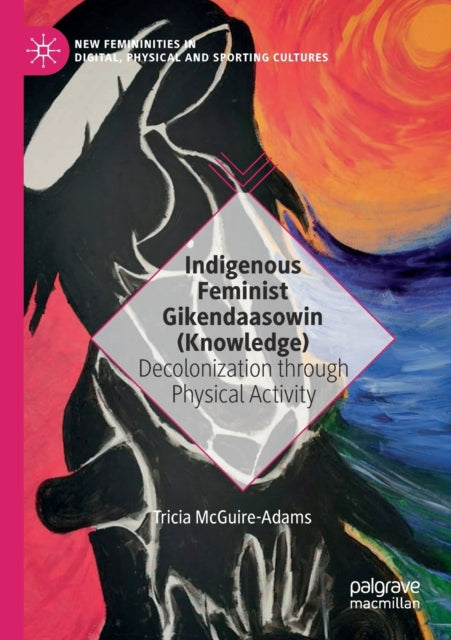
Tricia McGuire-Adams
Indigenous Feminist Gikendaasowin (Knowledge): Decolonization through Physical Activity
Indigenous Feminist Gikendaasowin (Knowledge): Decolonization through Physical Activity
💎 Earn 371 Points (£3.71) on this item.
We can order this item for you. Delivery usually takes about 4 to 6 weeks.
This item is not held in our immediate stock. We will order it for you after checkout.
Estimated delivery: About 4 to 6 weeks
YOU SAVE £15.66
- Condition: Brand new
- UK Delivery times: Usually arrives within 2 - 3 working days
- UK Shipping: Fee starts at £2.39. Subject to product weight & dimension
Bulk ordering. Want 15 or more copies? Get a personalised quote and bigger discounts. Learn more about bulk orders.
Couldn't load pickup availability
- More about Indigenous Feminist Gikendaasowin (Knowledge): Decolonization through Physical Activity
This book provides insights from Indigenous women who use physical activity to promote decolonization and well-being, offering a unique perspective to the sociology of sport and Indigenous feminist fields.
Format: Paperback / softback
Length: 168 pages
Publication date: 21 November 2021
Publisher: Springer Nature Switzerland AG
This captivating book delves into the profound insights and experiences of Indigenous women who are actively engaged in the process of decolonization and achieving well-being through physical activity. Within the realm of sports, physical activity, and health disciplines, there exists a pressing demand for the inclusion of Indigenous womens theoretical and methodological perspectives. While a substantial body of research has been conducted from a Western lens, exploring the health, sports, and physical activity of Indigenous peoples, there is a glaring gap in knowledge derived from Indigenous feminist and community viewpoints. Consequently, the chapters contained within this text serve as a valuable contribution to the broader sociology of sport and the emerging field of Indigenous feminist studies, shedding light on the unique cultural perspectives of physical activity held by Indigenous communities.
The book opens with a powerful introduction that highlights the historical and systemic injustices faced by Indigenous women and their communities. It emphasizes the need for a more inclusive and equitable approach to research and practice that recognizes the unique perspectives and experiences of Indigenous peoples. The authors then proceed to present a series of chapters that explore the diverse ways in which Indigenous women engage in physical activity as a means of decolonization and well-being.
One of the key themes that emerges throughout the book is the importance of Indigenous women reclaiming their bodies and autonomy through physical activity. The authors argue that physical activity has been used as a tool of colonization and oppression, with Indigenous women often subjected to harmful practices and stereotypes. However, by engaging in physical activity, Indigenous women can challenge these narratives and assert their power and agency.
The chapters also highlight the cultural significance of physical activity in Indigenous communities. Physical activity is not just a means of exercise or recreation; it is deeply intertwined with cultural practices, traditions, and beliefs. Indigenous women use physical activity to connect with their ancestors, preserve their cultural heritage, and promote social and environmental justice.
The book also explores the role of physical activity in promoting mental health and well-being among Indigenous women. The authors note that Indigenous women face a high rate of mental health issues, including depression, anxiety, and substance abuse. Physical activity can be a powerful tool for managing these issues, providing a sense of empowerment, stress relief, and a sense of belonging.
Furthermore, the book emphasizes the importance of community-based physical activity programs in supporting the well-being of Indigenous women. These programs can provide a safe and supportive environment for Indigenous women to engage in physical activity, build community connections, and promote social change.
In conclusion, this book is a groundbreaking contribution to the field of sports, physical activity, and health. It offers a unique perspective on the experiences of Indigenous women and their role in decolonization and well-being through physical activity. By highlighting the cultural significance of physical activity, the book challenges prevailing narratives and promotes a more inclusive and equitable approach to research and practice. It is a must-read for scholars, practitioners, and anyone interested in understanding the complex relationship between physical activity, culture, and social justice.
Weight: 244g
Dimension: 210 x 148 (mm)
ISBN-13: 9783030568085
Edition number: 1st ed. 2020
This item can be found in:
UK and International shipping information
UK and International shipping information
UK Delivery and returns information:
- Delivery within 2 - 3 days when ordering in the UK.
- Shipping fee for UK customers from £2.39. Fully tracked shipping service available.
- Returns policy: Return within 30 days of receipt for full refund.
International deliveries:
Shulph Ink now ships to Australia, Belgium, Canada, France, Germany, Ireland, Italy, India, Luxembourg Saudi Arabia, Singapore, Spain, Netherlands, New Zealand, United Arab Emirates, United States of America.
- Delivery times: within 5 - 10 days for international orders.
- Shipping fee: charges vary for overseas orders. Only tracked services are available for most international orders. Some countries have untracked shipping options.
- Customs charges: If ordering to addresses outside the United Kingdom, you may or may not incur additional customs and duties fees during local delivery.