Shulph Ink
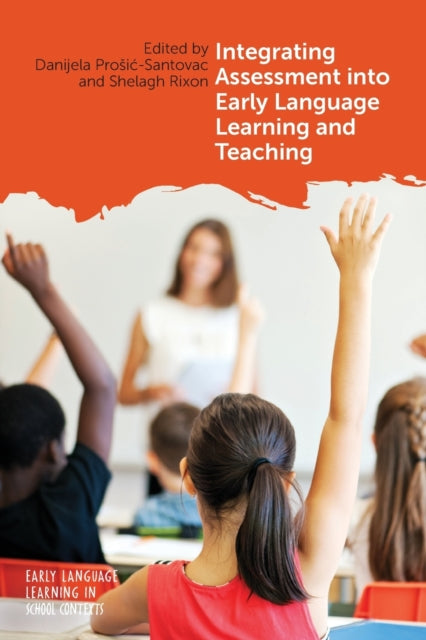
Integrating Assessment into Early Language Learning and Teaching
Integrating Assessment into Early Language Learning and Teaching
We can order this item for you. Delivery usually takes about 4 to 6 weeks.
This item is not held in our immediate stock. We will order it for you after checkout.
Estimated delivery: About 4 to 6 weeks
YOU SAVE £7.05
- Condition: Brand new
- UK Delivery times: Usually arrives within 2 - 3 working days
- UK Shipping: Fee starts at £3.89. Subject to product weight & dimension
Bulk ordering. Want 15 or more copies? Get a personalised quote and bigger discounts. Learn more about bulk orders.
Couldn't load pickup availability
- More about Integrating Assessment into Early Language Learning and Teaching
The book "Integrating Language Learning, Teaching, and Assessment at Preschool and Early School Age" is a comprehensive volume that covers research and practice in integrating language learning, teaching, and assessment at preschool and early school age. It includes chapters written by experts on assessment for children in different European contexts, focusing on classroom-based assessment and developing assessment skills for the youngest children. The book offers valuable insights for policymakers, teacher educators, researchers, and practitioners interested in improving assessment and learning integration in their own contexts.
Format: Paperback / softback
Length: 296 pages
Publication date: 07 August 2019
Publisher: Multilingual Matters
The book is a comprehensive resource that brings together research and practice in integrating language learning, teaching, and assessment at preschool and early school age. It features chapters authored by esteemed experts in the field, who have conducted extensive studies on children ranging from pre-primary to 12 years old, across diverse private and state contexts in Europe. This collection makes a significant contribution to the realm of appropriate assessment for children, with a notable emphasis on classroom-based assessment, particularly formative assessment, and the case for developing assessment skills even in the youngest learners.
As a whole, the book offers valuable insights into real-world case studies for policymakers, teacher educators, researchers, and postgraduate students who are interested in or have responsibilities related to how children are assessed in their language learning. It also provides practical ideas and strategies for practitioners who aim to enhance the integration of assessment and learning in their own educational contexts.
The book is organized into several chapters, each addressing different aspects of language learning, teaching, and assessment. The first chapter provides an overview of the importance of early language development and the challenges faced by children in acquiring language skills. It highlights the significance of integrating language learning, teaching, and assessment from an early age and emphasizes the need for a holistic approach that considers the individual needs and learning styles of children.
The second chapter explores the theoretical foundations of language learning, teaching, and assessment, including language acquisition theories, instructional strategies, and assessment frameworks. It provides a comprehensive understanding of the principles that guide these processes and helps practitioners apply them effectively in their practice.
The third chapter focuses on classroom-based assessment, particularly formative assessment. It discusses the benefits of formative assessment for children's learning and development, as well as the strategies and tools that can be used to implement it effectively. The chapter also provides practical examples and case studies that illustrate how formative assessment can be used to monitor children's progress, identify areas of strength and weakness, and provide targeted feedback to teachers.
The fourth chapter explores the case for developing assessment skills in relation to even the youngest children. It discusses the importance of early childhood assessment and the challenges that arise in assessing young learners. The chapter provides practical strategies and resources for developing assessment skills in preschool and early school settings, including observation, play-based assessment, and self-evaluation.
The fifth chapter explores the role of technology in language learning, teaching, and assessment. It discusses the benefits and challenges of using technology in these contexts, as well as the strategies and tools that can be used to integrate technology effectively into language learning and assessment practices. The chapter also provides practical examples and case studies that demonstrate how technology can be used to enhance children's learning experiences, facilitate communication and collaboration, and provide accurate and timely feedback to teachers.
The sixth chapter focuses on the assessment of multilingual learners. It discusses the challenges and opportunities that arise in assessing children who speak multiple languages, as well as the strategies and tools that can be used to support their language development and assessment. The chapter also provides practical examples and case studies that illustrate how multilingual learners can be assessed effectively and how their language skills can be recognized and valued.
The seventh chapter explores the role of assessment in promoting language learning and literacy. It discusses the importance of assessment in fostering children's language and literacy skills, as well as the strategies and tools that can be used to assess these skills effectively. The chapter also provides practical examples and case studies that demonstrate how assessment can be used to inform teaching practices, identify areas of strength and weakness, and provide targeted support to children who need additional assistance.
The eighth chapter explores the role of assessment in supporting children's social and emotional development. It discusses the importance of assessing children's social and emotional skills and how these skills can be integrated into language learning and assessment practices. The chapter also provides practical examples and case studies that demonstrate how assessment can be used to identify children who may be experiencing social or emotional difficulties and how these difficulties can be addressed.
The ninth chapter explores the role of assessment in promoting children's cultural awareness and understanding. It discusses the importance of assessing children's cultural backgrounds and how these backgrounds can be incorporated into language learning and assessment practices. The chapter also provides practical examples and case studies that demonstrate how assessment can be used to promote children's cultural awareness and understanding, as well as how these skills can be used to promote social and emotional development.
The tenth chapter explores the role of assessment in supporting children's transition to school. It discusses the importance of assessing children's readiness for school and how these assessments can be used to inform teaching practices and support children's transition to school. The chapter also provides practical examples and case studies that demonstrate how assessment can be used to identify children who may be experiencing difficulties with the transition to school and how these difficulties can be addressed.
The eleventh chapter explores the role of assessment in supporting children's lifelong learning. It discusses the importance of assessing children's learning and development throughout their lives and how these assessments can be used to inform teaching practices and support lifelong learning. The chapter also provides practical examples and case studies that demonstrate how assessment can be used to promote children's lifelong learning, as well as how these skills can be used to promote social and emotional development.
The twelfth chapter explores the role of assessment in supporting children's well-being. It discusses the importance of assessing children's well-being and how these assessments can be used to inform teaching practices and support children's emotional and physical health. The chapter also provides practical examples and case studies that demonstrate how assessment can be used to identify children who may be experiencing difficulties with their well-being and how these difficulties can be addressed.
In conclusion, the book is a comprehensive resource that brings together research and practice in integrating language learning, teaching, and assessment at preschool and early school age. It provides valuable insights into real-world case studies for policymakers, teacher educators, educators, researchers, and postgraduate students who are interested in or have responsibilities related to how children are assessed in their language learning. It also provides practical ideas and strategies for practitioners who aim to enhance the integration of assessment and learning in their own educational contexts.
Weight: 464g
Dimension: 156 x 234 x 18 (mm)
ISBN-13: 9781788924801
UK and International shipping information
UK and International shipping information
We deliver throughout the United Kingdom and to 128 countries and territories worldwide, including the United States, Australia, Canada, Germany, Spain and France.